
Orchid Care
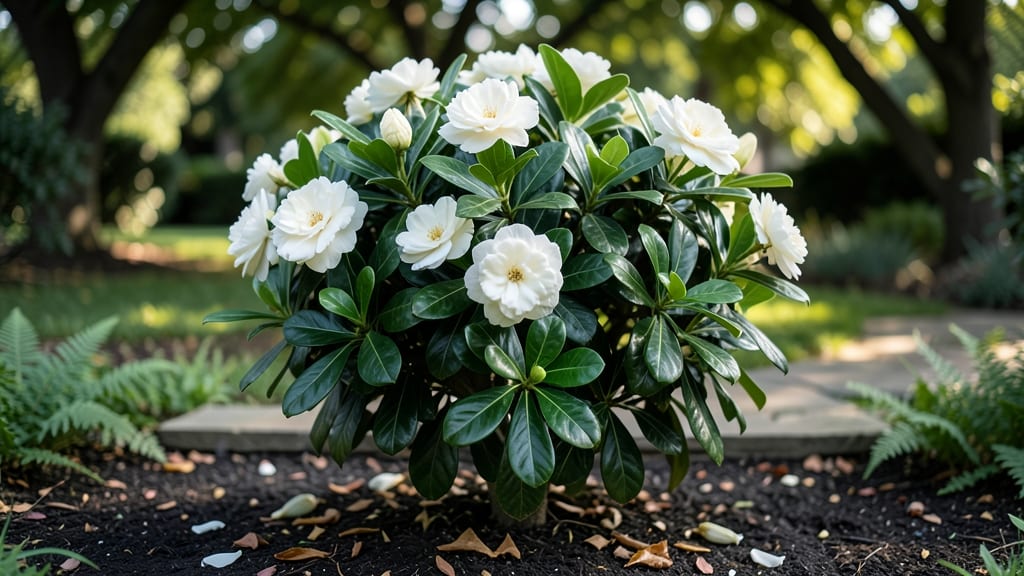
Whether gardenias are perennials or annuals depends on your climate—these fragrant beauties thrive as perennials in USDA Zones 7-11 but must be treated as annuals or overwintered indoors in colder regions. Their lifespan hinges on proper zone selection and seasonal adjustments.
Gardenias naturally behave as perennials in warm climates where temperatures rarely drop below 30°F (-1°C), allowing them to regrow yearly. 🌸 In colder zones, frost damages their delicate foliage, forcing gardeners to either dig up plants before winter or grow them in containers for indoor protection.
The key difference lies in their ability to endure dormancy—perennials in warm zones handle seasonal changes effortlessly, while those in chillier areas need human intervention to survive.
For gardeners outside Zones 7-11, overwintering becomes essential. I've found that moving potted gardenias to a bright, cool indoor space (around 50-55°F) with high humidity mimics their natural tropical environment.
Pruning back leggy growth in late fall helps conserve energy, while gradual reacclimation to outdoor conditions in spring prevents shock. This approach transforms what would otherwise be a lost annual into a multi-year plant.
💡 In This Article
- Gardenia Plant Hardiness Zones Explained
- Overwintering Gardenias in Cold Climates
Gardenia plant hardiness zones explained
Gardenias (Gardenia jasminoides) are tropical evergreens that naturally thrive as perennials in USDA Zones 7 through 11, where winter temperatures rarely dip below 30°F (-1°C). This range mirrors their native habitat in Southeast Asia, where they experience warm, humid conditions year-round.
The key difference in perennials versus annuals comes down to their ability to withstand seasonal temperature shifts—gardenias in their ideal zones develop a natural dormancy-like state during mild winters, allowing them to regrow vigorously in spring without human intervention.
The plant's sensitivity to cold stems from its thin, delicate leaves and shallow root system.
When temperatures drop below 32°F (0°C), cellular damage occurs as ice crystals form in the leaf tissues, causing browning and eventual death. 🌿 In Zones 7-8, gardenias can survive light frosts if protected by mulch or microclimates (like south-facing walls), but prolonged exposure to 25°F (-4°C) or colder will kill them back to the ground.
This is why gardeners in these zones often see their plants die back in winter only to resprout from the roots—technically making them perennials, but with significant seasonal stress.
In colder zones (3-6), gardenias behave more like annuals because they simply can't survive winter outdoors. The plant's metabolic processes slow dramatically below 50°F (10°C), and any frost will cause irreversible damage.
What most gardeners don't realize is that gardenias require consistent warmth to maintain their glossy foliage and fragrant white blooms—their entire growth cycle is attuned to tropical conditions. Without this, they either fail to bloom or produce only sparse, weak flowers, making them impractical as true perennials in northern climates.
Here's what happens biologically when gardenias experience cold stress: The chlorophyll in leaves breaks down at 28°F (-2°C), turning them brown within hours. Meanwhile, the root system—though hardier—struggles to absorb nutrients below 40°F (4°C), leading to stunted growth.
This is why you'll often see gardenias grown as container plants in colder regions—they can be moved indoors before frost, preserving their structure for another growing season.
For gardeners pushing the limits in Zone 7, consider these zone-specific tips: Plant gardenias near heat-retaining structures, use thick mulch (at least 3-4 inches of pine straw or shredded bark), and choose varieties like 'Kleim's Hardy' that show slightly better cold tolerance.
The trade-off? These hardier types may produce fewer blooms than tropical varieties, but they'll survive winters with proper protection.