
Plants
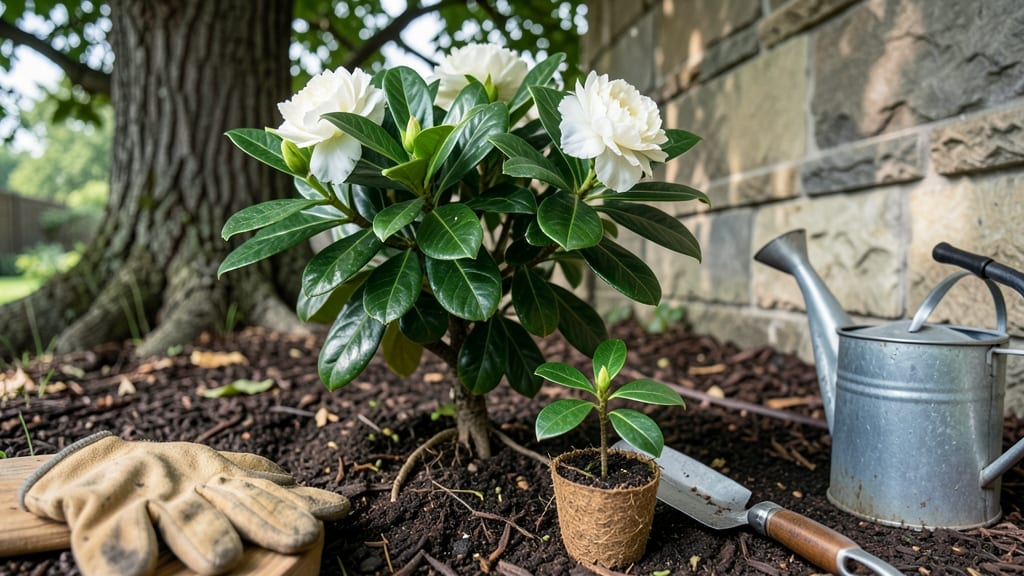
Plant gardenias in Texas after the last frost date—typically late February to early April for most regions—to give these frost-sensitive beauties a fighting chance at thriving blooms 🌸.
Texas gardeners know the struggle—plant gardenias too early, and they’ll wilt in the heat; too late, and they’ll miss peak blooming season. Timing is everything for these fragrant favorites, and getting it right means lush, long-lasting flowers year after year.
Your location matters: North Texas gardeners should wait until mid-March, while South Texas can plant as early as February. The key is avoiding those chilly nights that can shock the plant, even if the days are warm.
Below, I’ll break down the perfect planting window for your Texas heat zone, soil prep tips to keep your gardenia happy, and how to spot when you’ve nailed the timing—or when it’s time to try again.
Best planting months for gardenias in Texas heat zones
Texas gardeners know gardenias thrive in warm climates, but the Lone Star State’s extreme heat and variable frost dates make timing critical. Plant too early, and your tropical gardenias will suffer in summer heat; too late, and they won’t establish roots before winter.
The key? Understanding your USDA heat zone (8a-10a) and choosing the right window for your variety.
Most gardenias—especially tropical varieties like Gardenia jasminoides—need to be planted when soil temperatures stay above 60°F (15°C) for at least 2 weeks. In Texas, this typically means late winter to early spring, but early fall can work for cold-hardy types in Zone 9a-10a.
Let’s break it down by zone to avoid common mistakes like heat stress or frost damage.
Pro Tip: Always check your local last frost date (North TX: ~March 15, South TX: ~February 15) and aim to plant 2-4 weeks after. For container gardenias, you can extend your window slightly, but in-ground plants need stable soil warmth.
| Texas Heat Zone | Best Planting Window | Soil Temp Threshold | Frost Risk | Notes |
|---|---|---|---|---|
| Zone 8a (North TX: Amarillo, Abilene) | Late April - Early May | 65°F (18°C) minimum | High (first frost: Nov 15) | Use cold-hardy varieties like 'Kleim’s Hardy' and mulch heavily. |
| Zone 8b (Dallas, Waco) | Early April - Mid-April | 60°F (15°C) minimum | Moderate (first frost: Dec 1) | Avoid planting before March 15; use acidic soil amendments. |
| Zone 9a (Austin, San Antonio) | Late February - Early March or Early October | 55°F (13°C) minimum | Low (first frost: Dec 15) | Fall planting works for established plants; avoid summer heat. |
| Zone 9b-10a (Houston, Corpus Christi) | January - February or September | 50°F (10°C) minimum | Minimal (rare frosts) | Ideal for tropical varieties; container planting extends options. |
For Zone 8a gardeners, late April is your best bet—soil warms enough to support root growth, and the risk of late frosts has passed.
In contrast, Zone 10a gardeners can plant as early as January, but avoid summer heat stress by choosing morning sun locations or containers with shade cloth.
Cold-hardy gardenias (like 'Radicans' or 'Kleim’s Hardy') can handle Zone 8a’s cooler winters, but tropical types (e.g., 'Veitchii') need year-round warmth. If you’re in Zone 9a-10a, consider fall planting—September offers cooler soil and lower humidity, reducing transplant shock.
One common mistake? Planting in summer heat. Gardenias hate 100°F+ days—their roots can’t establish in scorching soil. If you must plant in summer, use shade cloth and deep watering to keep soil moist. For containers, move them to partial shade until roots stabilize.
Always amend your soil with peat moss or sulfur to lower pH to 5.0-6.0, and mulch with pine bark to retain moisture. In Zone 8a, add an extra 2-3 inches of mulch in winter to protect roots from freeze-thaw cycles.
Remember: Gardenias bloom best with consistent care. Plant at the right time, and you’ll reward yourself with fragrant, glossy blooms from spring to fall—even in Texas heat! 🌸
Signs your gardenia planting timing is perfect (or wrong)
Your gardenia plant whispers clues about planting timing through its leaves and roots. When soil temperatures hit 65°F+ and new growth appears vibrant green, you’ve nailed the window. In Texas, this usually means late February to early April—just after the last frost risk has passed for your zone.
Look for healthy root systems with white, fibrous roots (not brown or mushy). These roots signal the plant is ready to establish itself without stress. If roots are sparse or dark, wait a few weeks—they’re not ready for Texas heat yet.
🌱
Perfect Planting Timing
- Soil warmth (65°F+)
- Vibrant green leaves (no yellowing)
- White, fibrous roots (healthy)
- No frost risk (after last frost date)
- Morning sun (partial shade ready)
- Wilting leaves (too early)
- Yellowing foliage (nutrient stress)
- Stunted growth (roots not established)
- Brown roots (overwatered or cold)
- Frost damage (planting too late)
🌿 Texas Tip: North Texas should wait until mid-March; South Texas can plant as early as February 15.
Watch for wilting leaves or yellowing foliage—these are red flags. Yellow leaves often mean your gardenia was planted too late and struggled to establish roots before summer heat arrived. In Texas, this is especially common if you planted in May or June without proper shade.
Another clue? Stunted growth after planting. If your gardenia isn’t growing taller than 6 inches in 4 weeks, it’s likely stressed from poor timing. Adjust by providing afternoon shade and reducing watering slightly until roots catch up.
For container gardenias, check the root ball before planting. If roots are circling the pot or the soil is bone-dry, delay planting until you’ve watered thoroughly and given the plant time to recover. In Texas’s dry climate, this can happen quickly if you rush the process.
🌸