
Pests
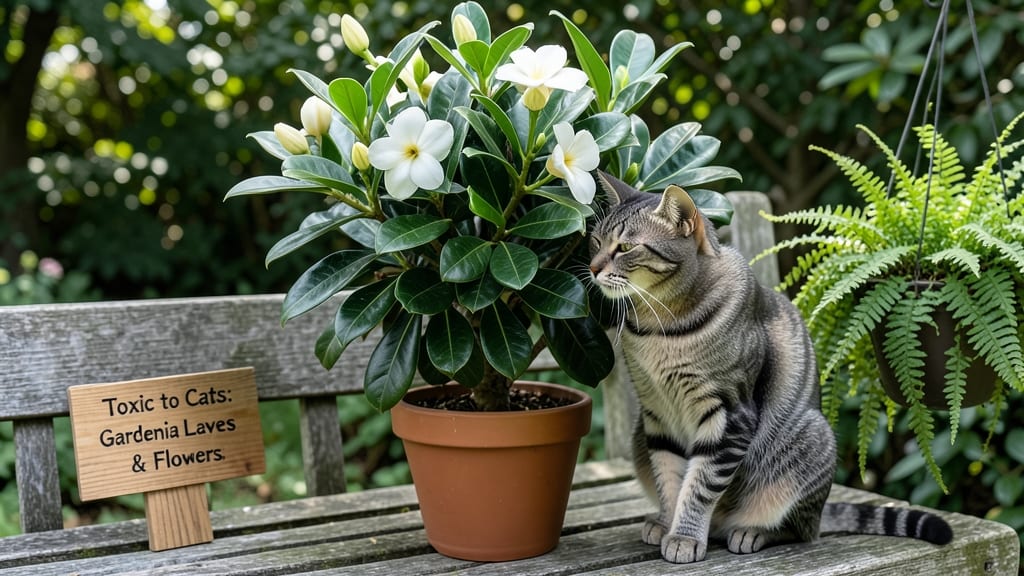
Gardenias are poisonous to cats because their leaves, flowers, and stems contain toxic compounds like saponins and essential oils, which can trigger vomiting, drooling, and lethargy if chewed or ingested. Always place them out of your cat's reach to prevent accidental poisoning.
Gardenias contain natural toxins that can disrupt a cat's digestive and nervous systems, leading to more severe symptoms like weakness or difficulty breathing in extreme cases. 🐾 The essential oils in gardenia flowers are particularly volatile, meaning even small exposures can cause irritation.
If you love the fragrance, consider placing potted gardenias in high shelves or outdoor spaces where curious paws can't reach.
For pet owners who want fragrant flowers without the risk, non-toxic alternatives like spider plants or African violets offer beautiful blooms without the danger. These plants thrive in similar conditions but won't harm your feline friend if accidentally nibbled.
Always research before bringing new plants home—some common garden favorites, like lilies, are even more toxic than gardenias!
💡 In This Article
- Toxic Compounds in Gardenias and Their Effects on Cats
- Safe Cat-Friendly Alternatives to Gardenias for Gardens
Toxic compounds in gardenias and their effects on cats
Gardenias contain two primary toxic compounds that pose risks to cats: saponins and essential oils. Saponins are naturally occurring glycosides that create soapy lather when mixed with water, and they disrupt cellular membranes in a cat's digestive tract.
The essential oils, particularly geraniol and linalool, are volatile compounds that cats absorb through ingestion or even inhalation, leading to irritation of the respiratory and gastrointestinal systems. 🌿 These compounds aren't just in the leaves—they're concentrated in the stems and flowers too, making every part of the plant potentially dangerous.
The severity of symptoms depends on how much your cat ingests. A small nibble on a leaf might cause mild vomiting or drooling within 6-12 hours, while larger amounts could lead to more severe reactions like diarrhea, lethargy, or even depression.
In extreme cases, ingestion of gardenia stems or flowers can cause weakness, tremors, or difficulty breathing due to the essential oils' impact on the nervous system.
Cats are particularly vulnerable because their livers process toxins differently than humans—what might be a mild reaction in us can be much more dangerous for them.
What makes gardenias especially tricky is their appealing fragrance. The sweet, creamy scent of gardenia flowers is irresistible to many pet owners, but to cats, it can be an enticing mystery. 🐱 Cats are naturally curious and may chew on plants out of boredom or to investigate new textures.
Unlike some toxic plants that have bitter tastes to deter animals, gardenias don't have an obvious warning flavor, increasing the risk of accidental poisoning. Even the pollen from gardenia flowers can cause mild irritation if inhaled, though this is less common than ingestion-related symptoms.
The ASPCA classifies gardenias as mildly toxic to cats, but "mild" doesn't mean "safe"—it means the effects are typically manageable with prompt veterinary care. The key is prevention: if your cat shows signs of interest in your gardenia plants, it's best to remove them from your home environment entirely.
Gardenias thrive in warm climates, so outdoor placement might seem like a solution, but determined cats can still access them through open windows or garden beds. Always supervise your cat when introducing new plants to your home or yard.
Here's what happens chemically when a cat ingests gardenia: the saponins disrupt the cell membranes in their digestive tract, causing inflammation and the body's natural response—vomiting.
Meanwhile, the essential oils are absorbed into the bloodstream, where they can affect the central nervous system, leading to the lethargy and weakness observed in toxic cases. 💡 The good news is that gardenia toxicity is rarely fatal with proper treatment, but the discomfort and stress it causes your pet make prevention the best approach.
If you suspect your cat has ingested gardenia, contact your vet or a pet poison hotline immediately—early intervention makes all the difference.
Interestingly, the toxicity level varies slightly between gardenia varieties. The common gardenia (Gardenia jasminoides) is the most widely recognized and poses the highest risk, but other species in the same family can also be harmful.
The concentration of toxins is highest in fresh plant material, so dried gardenia flowers (often used in potpourri) pose less immediate risk, though they're still not safe.
Always err on the side of caution when it comes to your feline friend's health—when in doubt, keep potentially toxic plants out of reach.