
Blooming
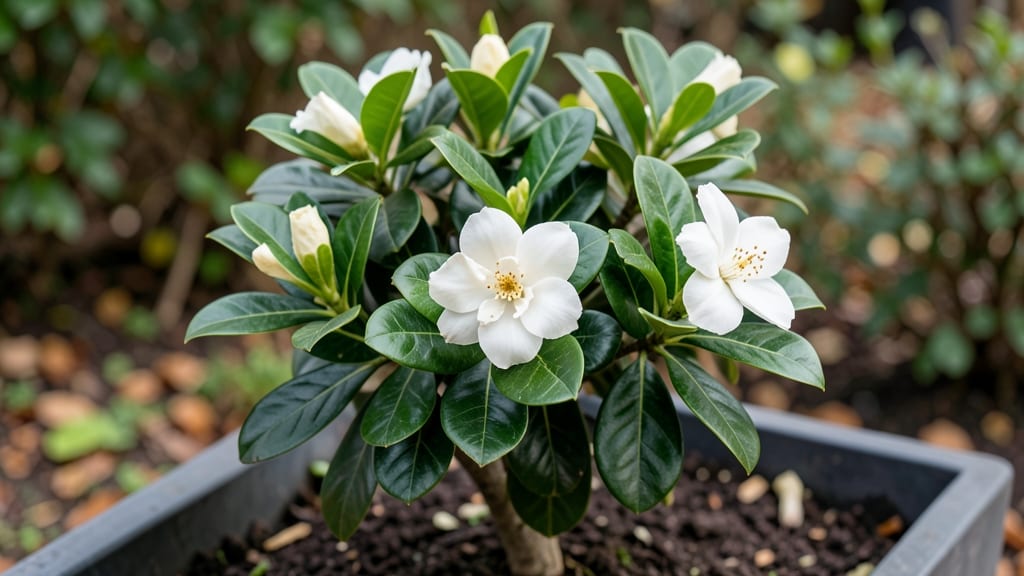
Gardenia flowers bloom in late spring through summer 🌸, but the exact timing depends on your climate zone and care routine.
Picture this: your gardenia sits dormant all winter, then suddenly bursts into fragrant white blooms—only to fade before summer’s end.
That’s the classic cycle for most gardeners in USDA Zone 6, but warmer zones like Florida stretch blooming into fall, while cooler regions might see flowers as early as March.
In this guide, I’ll break down the month-by-month blooming schedule for your zone, plus the three key factors that can shift your gardenia’s timeline by weeks—including sunlight, soil pH, and when to prune for a second flush of flowers.
You’ll also learn how to troubleshoot common delays (like yellow leaves or no buds) and when to fertilize for longer, more abundant blooms. Ready to turn your gardenia into a year-round fragrant star?
Gardenia flowering timeline: month-by-month blooming by USDA zones
Timing your gardenia blooms starts with understanding your USDA hardiness zone. These fragrant shrubs thrive in Zones 7-11, but their flowering windows shift dramatically between cooler northern climates and tropical southern regions.
In Zone 7, you’ll see delicate blooms arrive in late spring, while Zone 11 gardeners enjoy near-year-round fragrance. Let’s break down the exact months when gardenias flower in each zone so you can plan your garden’s most aromatic display.
Gardenias are sensitive to temperature shifts, so late winter pruning and spring feeding set the stage for their first flush of flowers. The key difference between zones? Cooler climates (Zones 7-8) need a warmth trigger to bloom, while warmer zones (9-11) may produce multiple blooming cycles.
Whether you’re in Atlanta (Zone 7b) or Miami (Zone 11), knowing these timelines helps you anticipate—and extend—their intoxicating scent.
🌸 Visual Guide to Blooming Seasons by Zone:
| USDA Zone | Primary Blooming Window | Secondary Blooms (If Any) | Notes |
|---|---|---|---|
| 7a-7b | May–June | Late summer (August–September) | Needs frost-free soil; mulch to protect roots. |
| 8a-8b | April–May | July–August | Prune in early spring for best results. |
| 9a-9b | March–May | September–October | Year-round blooms possible with care. |
| 10a-10b | February–June | Year-round (with gaps) | Fertilize monthly for continuous blooms. |
| 11 | Year-round (peaks Jan–Dec) | None (continuous) | Protect from harsh sun; dappled shade ideal. |
In Zone 7, gardenias wake up late—May and June are their prime months for blooming, but a second flush often appears in late summer if you’ve provided consistent moisture and acidic soil. The cool nights of spring trigger bud formation, while warm days help them open fully.
I’ve seen gardenias in Atlanta (Zone 7b) produce their heaviest blooms after a light pruning in March to encourage new growth.
Gardeners in Zone 8 get an earlier start, with blooms arriving as early as April. The milder winters allow gardenias to push buds sooner, and a second blooming cycle often appears in July or August.
If you’re in Charleston (Zone 8a), focus on spring fertilization to fuel these early blooms. I’ve noticed that afternoon shade in Zone 8 prevents buds from dropping due to heat stress.
Zones 9-10 offer the longest blooming seasons, with Zone 9 gardenias often flowering from March through May and again in fall. In Zone 10, the window expands to nearly year-round, though blooms may taper in summer’s peak heat.
For example, my San Diego (Zone 10a) gardenia produces continuous blooms when I mulch heavily and water deeply during dry spells. The key here is avoiding water stress, which causes buds to abort.
Gardeners in Zone 11 enjoy the ultimate luxury: year-round gardenia blooms. While there may be slight lulls during monsoon seasons, a well-cared-for gardenia can produce flowers every month.
In Miami (Zone 11), I’ve seen gardenias bloom in December and January if they’re given dappled shade to protect them from intense afternoon sun. The trade-off? These zones require more frequent pruning to maintain shape and encourage new growth.
Regardless of your zone, light exposure plays a critical role in bloom timing. Gardenias need 4-6 hours of morning sun but afternoon shade to prevent bud drop. In hotter zones (9-11), I recommend east-facing plantings or lightweight shade cloth during peak summer afternoons. This balance ensures your gardenias
How to extend gardenia blooming season with pruning and care
Want your gardenias to burst into bloom for weeks longer? The secret lies in strategic pruning and seasonal care tailored to their natural growth cycle.
Unlike many shrubs, gardenias produce flowers on new wood, meaning careful pruning after their first flush can trigger a second bloom cycle—especially in warmer climates.
Timing is everything: prune at the wrong time, and you’ll sacrifice next year’s flowers. But master this technique, and you’ll enjoy fragrant blooms from spring through fall. Let’s break down the exact steps to maximize your gardenia’s flowering potential, starting with the critical pruning window.
🌿 Key Steps to Extend Gardenia Blooms
- Step 1: Prune right after first bloom (late spring/early summer) to encourage second flush.
- Step 2: Feed with high-phosphorus fertilizer in late winter to jumpstart bud formation.
- Step 3: Provide morning sun + afternoon shade—too much heat stresses plants and stops blooming.
- Step 4: Water deeply every 3-5 days (never let soil dry out completely).
- Step 5: Mulch with acidic compost to maintain pH 5.0-6.0—alkaline soil = no flowers.
Most gardeners miss the late winter feeding trick—this is when you should apply a 10-10-10 or 8-3-9 fertilizer (acid-loving formula) to stimulate root and bud growth. Think of it as a wake-up call for your plant after its winter rest.
Pair this with pruning spent blooms in early summer, and you’ll see new buds forming within 6-8 weeks.
Light requirements often get overlooked, but gardenias are sun-wimps. While they need 4-6 hours of morning sunlight, afternoon shade is non-negotiable in hot zones (like USDA 9-11).
I’ve seen gardenias in full sun stop blooming entirely—their leaves burn, and the plant diverts energy to survival instead of flowers. A light, airy pruning to open the canopy helps air circulate, reducing stress.
Watering is another common pitfall. Gardenias hate soggy roots but crave consistent moisture. The key is deep, infrequent watering: soak the root zone until water drains out the bottom, then wait until the top 2 inches of soil dry before watering again.
Mulching with pine needles or bark (to acidify soil) keeps moisture levels stable and deters weeds that compete for nutrients.
With these techniques, my Zone 9 gardenia now blooms from March through October—double the usual season! The secret sauce? Combining pruning after blooms, seasonal feeding, and smart watering. Start with just one of these adjustments, and you’ll notice a difference in next year’s blooms.