
Shrubs
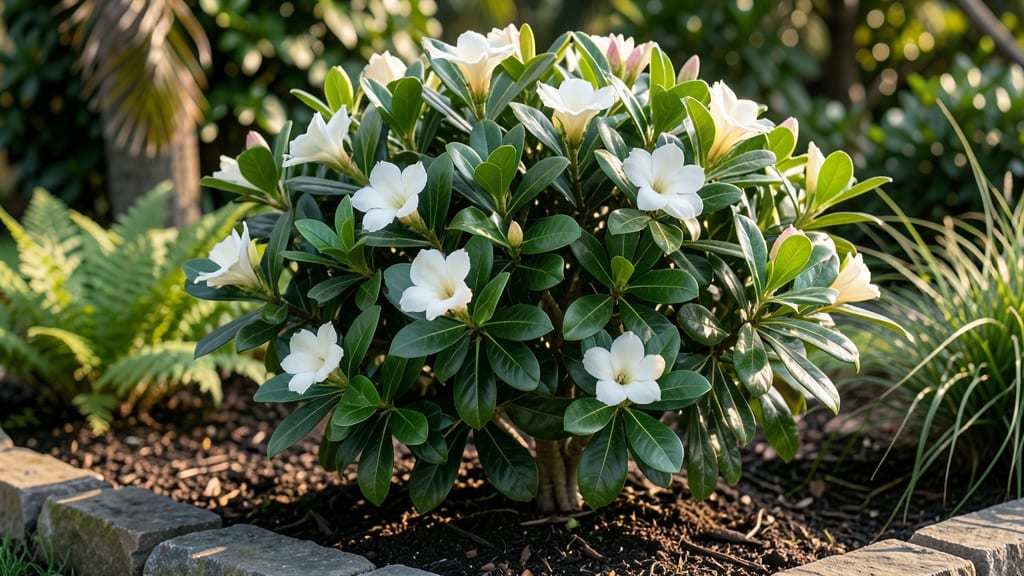
A full-grown gardenia bush 🌸 can reach 4 to 6 feet tall and become the star of your garden with its glossy leaves and intoxicating fragrance—but only if you prune it right.
Imagine stepping into your garden and being greeted by a full-grown gardenia bush bursting with intoxicating blooms—year after year. But achieving that lush, fragrant perfection requires mastering the art of pruning at the right time, with the right techniques.
This medium-sized shrub thrives in Zone 6a and demands careful attention to soil, water, and sunlight. Too much sun, and its leaves scorch; too little, and it won’t bloom.
The key to keeping it healthy—and full of flowers—lies in understanding when to trim, how much to cut, and how to avoid common mistakes that leave your gardenia looking ragged.
In this guide, I’ll walk you through seasonal pruning secrets, how to revive an overgrown bush, and the best tools to use—so you can enjoy that dreamy, fragrant gardenia year after year.
When and how to prune a full-grown gardenia bush for maximum blooms
A full-grown gardenia bush can reach 4-6 feet tall, but its beauty comes from proper pruning. The key is timing—prune at the wrong season, and you risk losing next year’s blooms.
Gardenias flower on old wood, so avoid heavy cuts in late summer or fall. Instead, focus on light shaping in spring and deadwood removal year-round to keep your bush lush and fragrant.
Pruning isn’t just about cutting branches—it’s about stimulating new growth while preserving the plant’s natural shape. Over-pruning can shock your gardenia, leading to fewer flowers or even leaf drop. My go-to rule is: "Cut back no more than 1/3 of the bush at once" to avoid stress.
Let’s dive into the science-backed steps to prune like a pro and keep your gardenia thriving.
Before you grab your shears, gather these essential tools:
- Bypass pruners (for clean cuts on 1/4-inch stems)
- Sterilized shears (dip in rubbing alcohol to prevent disease)
- Garden gloves (gardenia leaves can irritate skin)
- Sharp knife (for thicker branches)
- Disinfectant spray (for tools between cuts)
🌸
Step-by-Step Pruning Guide for Maximum Blooms
- Timing is everything: Prune your full-grown gardenia in early spring (after last frost) or late winter before new growth starts. Avoid pruning in fall or winter, as this can delay spring blooming.
- Remove dead/diseased wood: Look for brown, brittle branches or those with black spots. Cut these back to the healthiest growth using a 45-degree angle to prevent water pooling.
- Shape the bush: Trim overly long branches to maintain a balanced shape. Focus on outward-facing growth to encourage airflow and light penetration.
- Avoid cutting flower buds: Gardenias bloom on old wood, so never trim green buds or new shoots in late summer/fall. Wait until after blooming for light shaping.
- Thin crowded branches: If your bush looks too dense, remove 1-2 inner branches per stem to improve airflow. This reduces fungal risks like powdery mildew.
- Clean up after pruning: Collect all clippings and dispose of them (don’t compost diseased wood). Sterilize tools between cuts to prevent spreading pathogens.
One of the most common mistakes gardeners make is pruning too late in the season. If you cut back your gardenia in late summer or fall, you’ll delay next year’s blooms because the plant needs time to harden off before winter.
Another pitfall is over-pruning—cutting back more than 1/3 of the bush can shock the plant and reduce flowering. Always step back and assess the shape before making drastic cuts.
Did you know gardenias respond best to light, frequent pruning rather than one heavy trim? Instead of waiting until your bush looks unruly, prune lightly every 4-6 weeks during the growing season.
This encourages bushier growth and more blooms. For example, after your gardenia finishes flowering in summer, do a light shaping trim to remove spent blooms and leggy growth.
If your gardenia hasn’t bloomed well this year, check your pruning timing. Heavy pruning in fall or winter can delay flowering by 4-6 weeks. To fix this, avoid major cuts after July and focus on removing only dead wood in late summer.
For a reblooming boost, fertilize with a high-phosphorus formula (7-9-5 NPK) in early spring right after pruning.
For potted gardenias, pruning rules are slightly different. Since they have limited root space, you can prune more aggressively in early spring to control size. However, always water deeply after pruning to reduce shock.
If your potted gardenia looks root-bound, it’s time to repot into a larger container and trim 10-20% of the roots to encourage new growth.
After pruning, your gardenia will need extra care to recover. Water deeply (1-2 gallons) every 3-5 days for the first 2 weeks to help it establish. Avoid fertilizing immediately—wait 4-6 weeks to let the plant focus on regrowth.
If you notice yellowing leaves or dropping buds after pruning, it’s a sign of stress. This usually means you pruned too late or too aggressively.
Pro tip: Prune on a cloudy day to reduce sunburn risk on fresh cuts. If you must prune in hot weather, do it in the early morning and provide shade for 24 hours afterward.
For extra fragrance, always prune with sharp tools—dull shears crush stems, inviting disease and pests.
🌿✂️
Best pruning techniques for year-round fragrance: a seasonal breakdown
Your full grown gardenia bush can produce fragrant blooms year-round with the right seasonal pruning approach. Each season offers unique opportunities to shape your plant while encouraging healthy growth.
Spring is all about cleanup and stimulation, summer focuses on shaping and maintenance, and fall prepares your gardenia for winter dormancy.
Identifying dead vs. healthy wood is crucial—dead branches are brown, brittle, and snap easily, while healthy branches bend slightly and have green inner bark. Use sharp, sterilized pruners to make clean cuts at a 45-degree angle just above a leaf node or bud to promote new growth.
| Pruning Technique | Season | Approach | Best For |
|---|---|---|---|
| Spring Cleanup | Early Spring | Remove dead/diseased wood, thin out crowded branches | All varieties |
| Summer Shaping | Mid-Summer | Light tip pruning to encourage bushiness | Dwarf varieties |
| Fall Rejuvenation | Late Fall | 1/3 size reduction for older bushes | Standard varieties |
| Winter Dormancy | Winter | Minimal pruning; focus on mulching | All varieties |
For aggressive pruning, focus on rejuvenating older bushes by cutting back 1/3 of the plant in late fall.
This encourages vigorous new growth in spring but may reduce immediate blooms. Gentle pruning works best for younger plants or dwarf varieties, where you simply trim tips and shape without drastically altering the plant's form.
After pruning, always sterilize tools with rubbing alcohol to prevent disease spread. Apply a balanced fertilizer (7-9-5 NPK) to support new growth, and mulch around the base to retain moisture and regulate soil temperature. This seasonal routine keeps your full grown gardenia bush thriving and fragrant all year.
Remember, over-pruning can stress your gardenia, leading to fewer blooms. Aim for a balanced approach—removing only what's necessary while maintaining the plant's natural shape and encouraging healthy growth patterns. With consistent care, your gardenia will reward you with lush foliage and intoxicating fragrance season after season. 🌸✂️🌿