
Advice
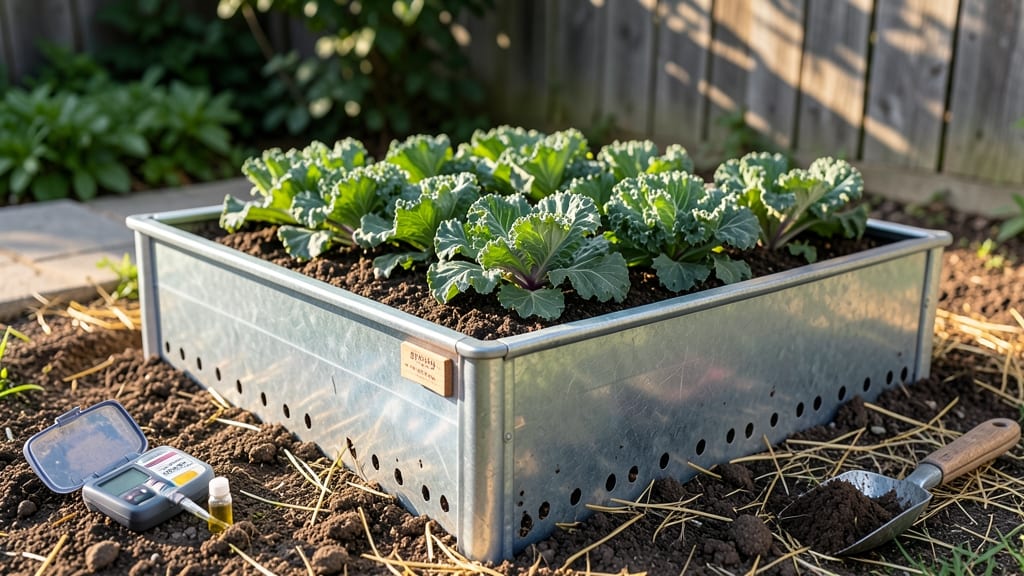
Metal garden beds can be safe for plants when constructed from food-grade materials like galvanized steel, copper, or stainless steel, but they may pose risks like root damage from heat buildup or chemical leaching if made from low-quality alloys. Using proper insulation and soil amendments helps minimize these concerns.
Metal garden beds made from high-quality, non-reactive metals pose minimal risk to plants, but their safety depends entirely on material selection and installation.
Copper and stainless steel are excellent choices because they resist corrosion and won't leach harmful substances into the soil. 🔥 However, cheaper metals like zinc-coated steel or painted varieties can degrade over time, releasing toxic compounds that harm root systems.
The key is ensuring proper drainage and using protective liners to prevent direct metal-soil contact.
Heat retention is another critical factor—metal beds absorb and radiate sunlight, which can bake roots during hot days. To combat this, gardeners often add insulating layers like mulch or fabric wraps around the bed's edges.
For sensitive plants, consider lining the bed with geotextile fabric before adding soil to create a buffer zone. Testing and adjusting soil pH regularly also helps neutralize any potential chemical imbalances caused by metal exposure.
💡 In This Article
- Material Safety: Choosing Non-Toxic Metal Garden Beds
- Preventing Heat Damage and Soil Contamination in Metal Planters
Material safety: choosing non-toxic metal garden beds
Not all metals are created equal when it comes to plant safety. Copper and stainless steel are the gold standards because they resist oxidation and corrosion, preventing harmful chemical leaching into the soil.
Copper, for example, naturally inhibits fungal growth (a 1-2% copper sulfate solution is even used as a fungicide), while stainless steel's chromium content creates a protective oxide layer that prevents degradation.
Galvanized steel (zinc-coated) is another safe option, though its zinc coating can degrade over 5-10 years, potentially raising soil zinc levels to toxic thresholds for sensitive plants.
The real danger lies in low-quality metals like zinc-coated steel without proper coatings or painted varieties. These often contain lead, cadmium, or other heavy metals that leach into soil when exposed to moisture and temperature fluctuations.
For instance, a painted metal bed exposed to summer heat (90°F+) can cause paint to degrade, releasing volatile organic compounds (VOCs) that inhibit root growth. Even "food-grade" labels don't guarantee safety—always check for third-party certifications like ASTM International standards for metal composition.
Heat conductivity is another critical factor. Metals like aluminum conduct heat 200 times faster than soil, creating temperature extremes that can scorch roots during sunny afternoons. This is why metal beds often require insulating barriers like 2-3 inches of mulch or reflective fabric wraps.
The solution isn't just about material—it's about understanding how each metal interacts with your climate. In Zone 8+ regions, even safe metals can become problematic without proper insulation, while cooler climates may see minimal heat-related stress.
Soil pH plays a surprising role in metal safety. Acidic soils (pH 5.0-6.0) accelerate corrosion in metals like galvanized steel, while alkaline soils (pH 7.5+) can cause copper to become phytotoxic.
Testing your soil's pH before installation is critical—most edible plants thrive in 6.0-7.0 range, where safe metals remain stable.
For example, tomatoes in pH 6.5 soil grow fine in copper beds, but the same plants in pH 5.5 soil may show zinc toxicity symptoms like yellowing leaves within 4-6 weeks.
For gardeners using metal beds, plant selection matters too. Deep-rooted vegetables like carrots or potatoes may struggle in shallow metal beds, while shallow-rooted herbs (basil, thyme) or leafy greens (kale, lettuce) adapt better.
The root zone in metal beds typically stays 6-12 inches deep, limiting options for crops needing deeper soil. This is why many urban gardeners pair metal beds with raised wooden frames—creating a hybrid system that combines metal's durability with deeper soil capacity.
One often-overlooked solution is using geotextile fabric liners with a pH-neutral barrier between metal and soil. These fabrics prevent direct metal-soil contact while allowing water drainage. For example, a 30-mil geotextile liner (like those used in erosion control) can extend a galvanized steel bed's lifespan by 30-50%, reducing leaching risks.
The trade-off? Slightly reduced aeration for roots, so amending soil with 20-30% compost helps maintain porosity.