
Size
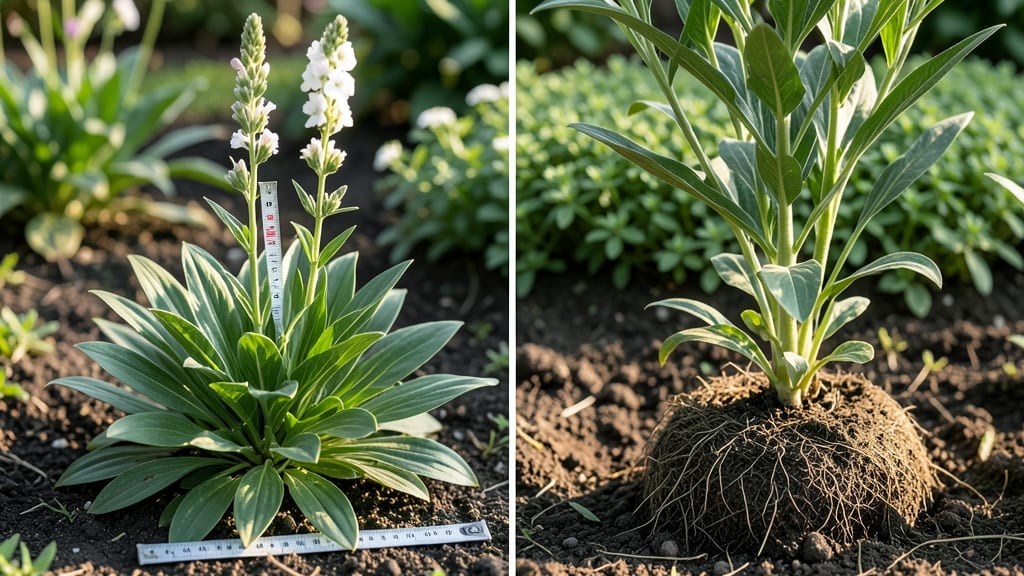
Tall garden phlox does spread moderately through underground rhizomes, expanding 12–18 inches per year under ideal conditions. It forms dense clumps but rarely invades lawns or other beds aggressively unless crowded or left unchecked.
Tall garden phlox spreads through underground stems called rhizomes, which slowly extend outward each growing season. 🌱 The expansion rate depends heavily on sunlight exposure—plants in full sun grow more vigorously than those in shade.
Unlike aggressive spreaders like mint, phlox stays contained in its planting area unless you let it go unmanaged for years, making it ideal for perennial borders.
What sets phlox apart is its clumping habit—roots thicken over time, creating a lush, self-sustaining mound. This natural behavior actually benefits gardeners by reducing the need for frequent division.
I’ve found that dividing every 3-4 years maintains health and prevents overcrowding while keeping the plant’s signature vertical blooms at their best.
The key to controlling its spread lies in proper planting techniques. 🌿 Space plants 18-24 inches apart initially, and use landscape fabric barriers if you’re concerned about encroachment. Pruning spent blooms in early summer encourages bushier growth and prevents seed production, which could otherwise contribute to unwanted spread.
💡 In This Article
- How Tall Garden Phlox Spreads: Rhizome Growth Explained
- Managing Tall Garden Phlox Spread in Landscapes
How tall garden phlox spreads: rhizome growth explained
Tall garden phlox (Phlox paniculata) spreads primarily through horizontal underground stems called rhizomes, which act like natural runners. These rhizomes grow outward from the plant's central crown, producing new shoots at nodes spaced approximately 3-6 inches apart.
Unlike fibrous root systems, phlox rhizomes store nutrients and water, allowing the plant to establish dense clumps over time. The expansion rate varies by cultivar, but most varieties extend 12-18 inches per year in optimal conditions.
Growth patterns follow seasonal rhythms—rhizomes develop most actively in spring and early summer when soil temperatures reach 60-70°F. In cooler climates, growth slows significantly after 75°F, while excessive heat or drought can stunt expansion entirely.
The plant's vertical growth (reaching 3-5 feet tall) often overshadows its horizontal spread, creating the illusion of slower expansion. Sunlight is the primary driver: phlox in full sun produces 20-30% more rhizome growth than shaded plants due to increased photosynthesis.
What makes phlox's spread unique is its clumping habit rather than aggressive runner behavior. Each year, the central crown thickens while new shoots emerge at the rhizome tips, creating a self-supporting mound.
This natural structure prevents the plant from creeping into lawns like mint or creeping charlie—unless it's planted too close to borders. The rhizomes typically stay within 12-18 inches of the original planting site unless disturbed, making it an excellent choice for perennial borders where controlled spread is desirable.
Soil moisture plays a critical role in rhizome development. Phlox thrives in well-draining soil with consistent moisture but cannot tolerate waterlogged conditions. In dry climates, rhizomes may grow more slowly (6-12 inches per year) as the plant conserves energy.
The plant's natural tendency to form dense clumps actually works in gardeners' favor—it creates a lush, self-sustaining display with minimal maintenance compared to more aggressive spreaders.
One often-overlooked factor is the plant's age. Young phlox plants (first 2-3 years) focus energy on establishing roots and vertical growth, with minimal rhizome expansion. After 4 years, rhizome growth accelerates as the plant reaches maturity.
This delayed spread makes phlox an excellent choice for gardeners who want immediate vertical impact without immediate horizontal encroachment concerns. The rhizomes also help the plant recover quickly from winter dieback in colder climates.
For visual comparison, imagine planting phlox in a 2-foot diameter circle. After 3 years, the clump might naturally expand to fill a 3-foot diameter area under ideal conditions, while maintaining its vertical height.
This controlled expansion creates the signature phlox "dome" appearance that gardeners love, without the invasive characteristics of more aggressive perennials. 🌿