
Advice
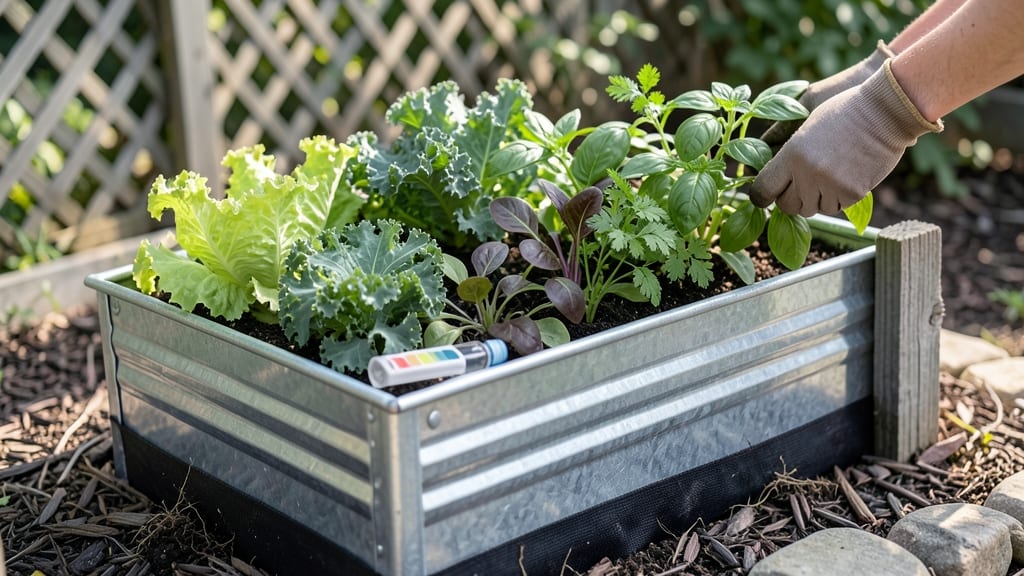
Metal raised garden beds can be safe for plants when constructed from food-grade materials like galvanized steel, copper, or stainless steel, but substandard metals or improper coatings may release harmful chemicals into the soil over time, which can damage plant roots and reduce growth.
Metal raised garden beds are a popular choice for urban gardeners, but their safety depends entirely on the materials used. 🌱 High-quality metals like stainless steel or copper won't leach toxins, but cheaper alternatives—especially those with zinc or cadmium coatings—can degrade and contaminate the soil.
This is why I always recommend checking for certifications like NSF/ANSI 61 when purchasing or building your own. Even "safe" metals can become problematic if they're not properly sealed or if the soil pH is acidic, which accelerates corrosion.
For example, galvanized steel beds often contain zinc coatings that may leach over time, particularly in acidic soil conditions. 🌿 Copper, while naturally antimicrobial, can release copper ions in high concentrations, which might harm sensitive plants.
The key is balancing material quality with your specific growing conditions—like testing soil pH before installation—to minimize risks while still enjoying the benefits of elevated gardening.
💡 In This Article
- How Metal Types Affect Soil and Plant Safety
- Choosing Safe Metal Raised Garden Bed Materials
How metal types affect soil and plant safety
The safety of metal raised garden beds hinges on the specific metal used and its chemical composition. Galvanized steel, for example, relies on a zinc coating to prevent rust.
While zinc is essential for plant growth in trace amounts, excessive leaching—especially in acidic soils with pH below 6.0—can create toxicity levels that stunt root development or cause chlorosis (yellowing leaves).
Studies show zinc concentrations above 100 parts per million (ppm) in soil can inhibit plant uptake of other nutrients like phosphorus and iron.
Copper presents a different risk profile. Pure copper is naturally antimicrobial, which is why it's often used in garden beds to deter pests and fungal growth.
However, copper ions can accumulate in soil over time, particularly in beds with high organic matter or acidic conditions. 🌱 At concentrations above 20-50 ppm, copper becomes phytotoxic, damaging root systems and reducing yields.
This is why copper beds work best for short-term use or with plants known for copper tolerance, like thyme or lavender.
Stainless steel, on the other hand, is one of the safest options because it contains chromium and nickel alloys that resist corrosion and leaching. The 18/8 or 18/10 grades (18% chromium, 8-10% nickel) are particularly stable, with minimal risk of heavy metal release even in acidic soils.
The trade-off? Stainless steel is more expensive and heavier than galvanized steel, which affects portability and cost. For long-term gardening, this stability makes it a worthwhile investment for health-conscious growers.
Acidic soil conditions (pH 5.5) accelerate metal degradation, increasing leaching risks across all materials. This is why soil testing before installation is critical.
For instance, a galvanized steel bed in pH 5.0 soil might release 3-5 times more zinc annually than in neutral pH 7.0 soil. 💫 The solution? Amend acidic soils with lime to raise pH, or choose copper-free metals like aluminum (though aluminum itself can leach in extreme conditions).
Even "safe" metals can become problematic if they're not properly sealed. For example, a galvanized steel bed with a scratched coating will leach zinc at a higher rate, creating localized toxicity hotspots where roots concentrate.
This is why pre-made beds with factory-applied coatings (like powder-coated galvanized steel) are generally safer than DIY projects using raw materials. The key takeaway? Material selection isn't just about the metal itself—it's about how it interacts with your specific soil chemistry and gardening goals.
Consider this real-world example: A home gardener using a galvanized steel bed in pH 5.5 soil might notice stunted growth in tomatoes after 2 years, while identical beds in pH 6.5 soil show no issues.
The difference? Zinc leaching rates doubled in the acidic soil, exceeding the 5-10 ppm threshold safe for most vegetables. This highlights why soil testing before installation isn't just recommended—it's essential for long-term plant health.