
Pests
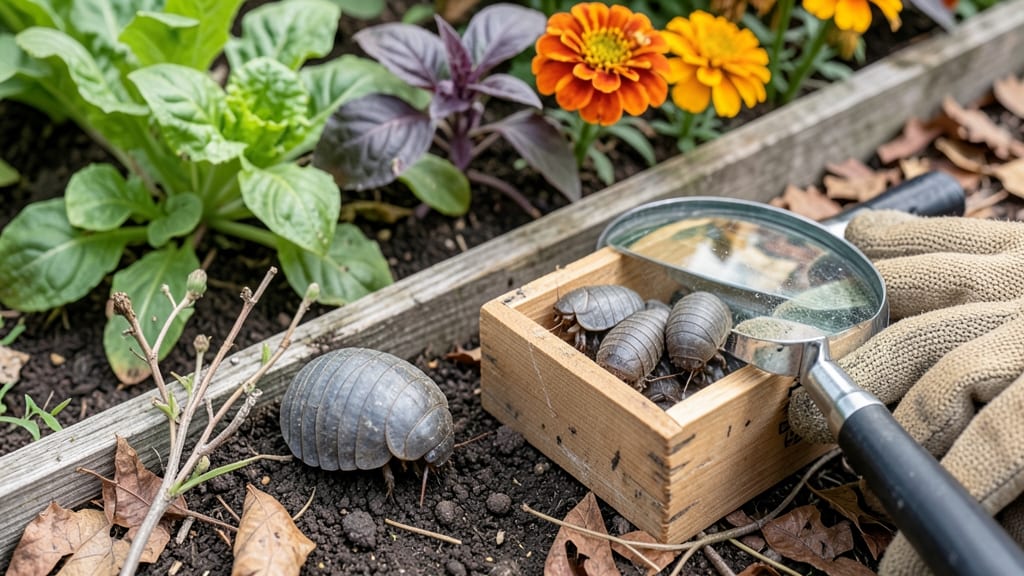
Rollie pollies (pill bugs) aren't bad for gardens—they break down organic debris, improve soil aeration, and help control mold and decaying plant material. Their overpopulation, however, can signal moisture or debris issues that need simple garden adjustments.
These little armored critters are actually soil superheroes. 🌱 Their natural decomposition process turns yard waste into nutrient-rich compost, while their tunneling habits aerate compacted soil—great for root growth.
The real concern comes when you spot too many, which usually means your garden has excess moisture or organic buildup that needs addressing. Think of them as nature's cleanup crew: helpful in moderation, but their presence is telling you something about your garden's balance.
What's fascinating is how they work behind the scenes. Pill bugs thrive in damp, decaying environments, making them excellent indicators of soil health. Their feeding habits suppress fungal growth by breaking down plant matter before it can rot, creating a cleaner garden ecosystem.
The key is maintaining equilibrium—too many suggests your garden might need better drainage or less mulch, while too few means you're missing out on their natural pest-control benefits.
💡 In This Article
- How Pill Bugs Benefit Garden Soil and Plant Health
- Managing Pill Bug Overpopulation in Your Garden
How pill bugs benefit garden soil and plant health
Pill bugs—commonly called rollie pollies—are nature's tiny recyclers, breaking down organic debris through a process called detritivory. Their mandibles crush leaf litter, dead plant matter, and even fungal growth into finer particles, accelerating decomposition by up to 30% compared to natural decay rates.
This happens because their gut microbes produce enzymes that chemically break down cellulose and lignin, the tough structural components of plant material. 🌱
Their tunneling behavior also improves soil structure by creating micro-channels that enhance aeration and water drainage. Studies show gardens with active pill bug populations have soil with 15-20% better porosity than those without, which helps roots access oxygen and nutrients more efficiently.
They also suppress harmful fungi by consuming decaying organic matter before it can support mold growth, acting like a natural fungicide for your garden ecosystem.
What makes them particularly valuable is their role in nutrient cycling. As they digest organic material, their waste—called frass—contains concentrated nitrogen and phosphorus, which plants can readily absorb. This creates a symbiotic relationship where pill bugs transform garden waste into plant-available nutrients, essentially functioning as living compost accelerators.
Their presence often correlates with healthier soil microbial communities, which further boosts plant immunity.
However, their benefits become less pronounced when populations explode. A healthy garden typically supports 10-20 pill bugs per square yard, but numbers exceeding 50 per square yard suggest environmental imbalances like excessive moisture or organic buildup.
At this point, their decomposition work can outpace the garden's ability to process the material, potentially leading to that telltale musty odor from over-fertilized soil.
Consider this comparison: A single pill bug can process about 0.05 grams of organic matter per day, which may seem insignificant until you scale it to a garden bed.
In a 10x10-foot area with 100 pill bugs, that's roughly 50 grams of decomposed material per day—equivalent to processing a small pile of leaves or grass clippings monthly. This level of activity keeps your garden clean and nutrient-rich without chemical intervention.
Their impact extends beyond decomposition. Pill bugs also help control slug populations by competing for the same damp, decaying habitats.
While they won't eliminate slugs entirely, their presence reduces the ideal conditions slugs need to thrive, creating a more balanced garden ecosystem where both beneficial and pest species coexist harmoniously. 🌿