
Pests
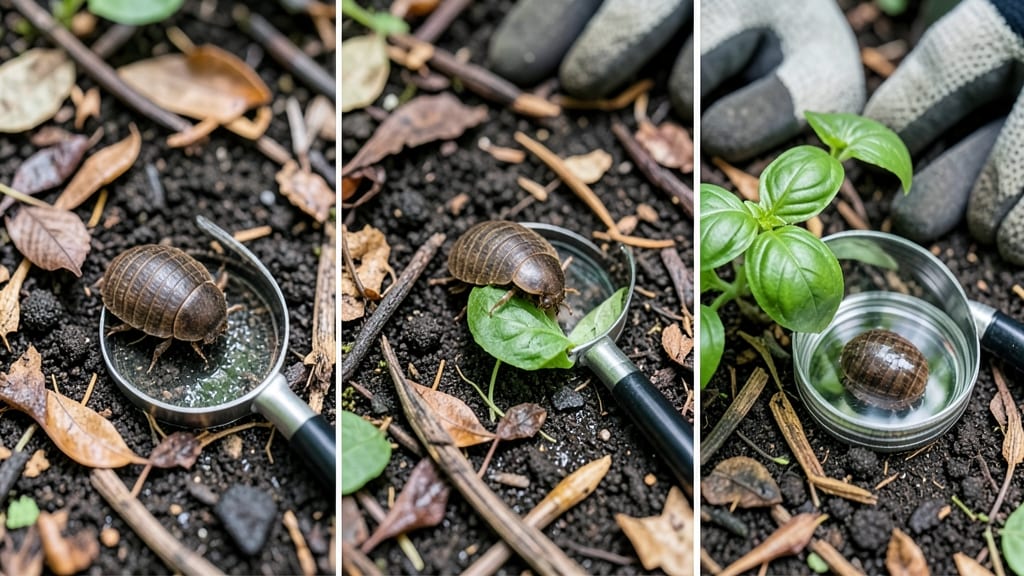
Roly polys (pill bugs) are not bad for gardens—they break down organic matter, aerate soil, and help decompose dead plant material, making them beneficial decomposers in healthy ecosystems.
Roly polys are actually soil superheroes, turning leaf litter and plant debris into nutrient-rich compost through their natural decomposition process. 🌱 These little creatures might look like pests, but they're essential for maintaining soil structure and microbial balance, which keeps your garden thriving.
Their presence often indicates healthy soil ecosystems where they're actively recycling organic materials back into the earth.
What many gardeners don't realize is that roly polys help prevent thatch buildup by breaking down fallen leaves and stems at the soil surface. Their tunneling activity also improves soil aeration, which benefits plant roots.
The key is balance—while they're generally helpful, their populations can become overwhelming in certain conditions, which is when you might need to implement natural population controls.
💡 In This Article
- How Roly Polies Improve Soil Health
- Managing Roly Poly Populations in Your Garden
How roly polies improve soil health
Roly polys, or pill bugs, function as nature's recyclers by consuming decaying organic matter like fallen leaves, dead plant stems, and even compost. Their mandibles crush plant debris into smaller pieces, creating a process called fragmentation that accelerates decomposition.
This mechanical breakdown exposes more surface area for soil microbes to colonize, speeding up nutrient release by up to 30% compared to undisturbed organic matter. 🌱
Their tunneling behavior aerates compacted soil, creating tiny channels that improve water infiltration and root penetration. Studies show their burrowing increases soil porosity by 15-25%, which is particularly valuable in heavy clay soils where drainage is poor.
This activity also promotes beneficial microbial activity by maintaining oxygen levels in the soil profile, creating a more vibrant ecosystem for earthworms and fungi.
What makes roly polys unique is their role in the nitrogen cycle. While they don't fix nitrogen themselves, their consumption of decaying plant material releases bound nitrogen in a form that becomes available to plants. Their excrement, called frass, contains concentrated plant nutrients that act like a slow-release fertilizer.
Research indicates that gardens with active roly poly populations show 10-20% higher nutrient availability in the top 2 inches of soil compared to gardens without them.
These creatures also help prevent thatch buildup by processing leaf litter at the soil surface. In lawns and garden beds, their activity prevents thatch layers from exceeding 0.5 inches thick, which is the ideal range for healthy grass roots.
Their presence indicates a balanced ecosystem where organic matter is being actively recycled rather than accumulating.
One fascinating aspect is their relationship with mycorrhizal fungi. Roly polys help distribute fungal spores through their movement and digestion, creating a network that enhances plant nutrient uptake. This symbiotic relationship explains why gardens with healthy roly poly populations often show improved drought resistance and disease suppression in plants.
While they may occasionally nibble on young seedlings or tender plant roots, their overall contribution to soil health far outweighs any minor damage. The key is maintaining a balanced population—typically 5-10 individuals per square foot in garden beds—which ensures they're performing their ecological role without becoming pests.