
Planting
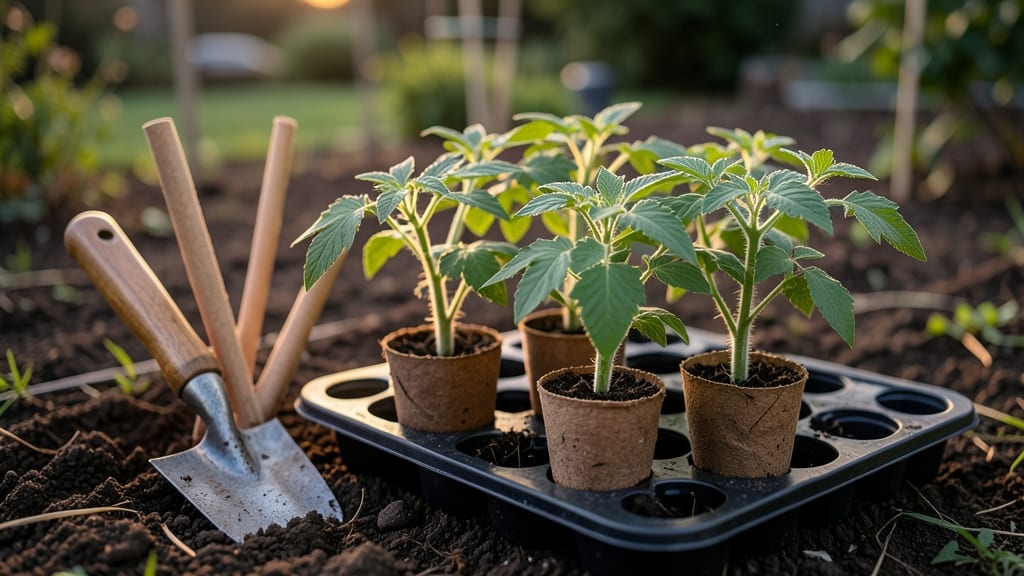
Planting tomato seedlings in the garden at the right time ensures a fast, thriving harvest—soil warmth and frost-free dates are the two biggest factors in success.
Picture this: you’ve nurtured your seedlings indoors, only to rush them outside too soon, where a late frost turns their leaves to ice. Or worse, you wait too long, and the heat arrives before the fruit even sets.
Timing your tomato seedlings perfectly can mean the difference between a bumper crop and a sad, wilted disappointment.
Soil temperature holds the key to unlocking rapid, healthy growth. In USDA Zone 6a, aim for 60°F or warmer—any cooler, and the roots struggle to establish.
Below, I’ll break down the exact steps to calculate your planting window, adjust for regional quirks, and avoid the three biggest mistakes that slow down seedlings.
You’ll learn how to test soil warmth without a fancy thermometer, when to harden off your plants for faster outdoor adjustment, and which varieties tolerate cooler springs. By the end, you’ll know exactly when to plant for a head start on June’s first ripe 🍅.
Optimal soil temperature for planting tomato seedlings (with exact degrees)
Getting your tomato seedlings in the ground at the right soil temperature is like giving them a golden ticket to fast, healthy growth. Too cold, and their roots stall—too hot, and they stress out.
The sweet spot for transplanting is between 50°F and 60°F, but let’s break down why this matters and how to nail it every time.
Tomatoes are warm-season crops, meaning they crave heat to thrive. When soil temps dip below 50°F, their roots slow down, delaying growth by weeks. Above 60°F, they’ll still grow, but the risk of transplant shock rises.
The ideal range—55°F to 60°F—balances root activity and stress reduction for faster establishment.
Here’s the kicker: air temperature and soil temperature are two different beasts. A 70°F afternoon might feel perfect, but if the soil is still chilly from nighttime, your seedlings will suffer. That’s why soil thermometers (or DIY tricks) are your best friends.
Regional variations matter too. In USDA Zone 5, you might wait until late May, while Zone 10 gardeners can plant in March. The key is tracking frost-free dates and soil warmth—never rush it.
No soil thermometer? No problem. Test warmth with your hand or elbow: if the ground feels cool to the touch (like a chilly bathtub), it’s not ready. For a quick check, press your forearm into the soil—if it’s comfortable, it’s likely 55°F–60°F.
Another trick: bury a glass jar filled with water overnight; if it’s warm in the morning, your soil is primed.
Black plastic mulch is a game-changer for speeding up soil warmth. Lay it down 1–2 weeks before planting to raise temps by 5°F–10°F. In cooler climates, combine it with row covers for extra insulation. Just remember: remove covers once flowers appear to prevent overheating.
Cold-hardy tomato varieties like ‘Stupice’ or ‘Mountain Merit’ can tolerate slightly cooler soils (45°F–50°F), but they’ll still grow slower. For most gardeners, sticking to the 55°F–60°F range ensures consistent success across regions.
Pro tip: Monitor soil temps for 3–5 days before planting. Early mornings are the coolest—if temps dip below 50°F at dawn, delay transplanting. Patience here pays off with stronger roots and bigger yields later.
Once your seedlings are in the ground, keep soil temps stable by mulching with straw or grass clippings. This blocks heat spikes and retains moisture, giving your tomatoes the perfect growing conditions from day one.
🌱
How to adjust planting time based on last frost date and variety type
Getting your tomato seedlings in the ground at the right time depends on two critical factors: your last frost date and the variety type you're growing. Heirloom tomatoes, for example, often need more warmth than cold-hardy hybrids, while indeterminate varieties benefit from an extended growing season.
Let’s break down how to calculate your perfect planting window.
First, find your average last frost date for your USDA hardiness zone. Most gardeners plant tomatoes 2-3 weeks after this date, but the exact timing shifts based on whether you’re growing heirloom, hybrid, or cold-hardy varieties.
For example, Siberian tomatoes can handle cooler soils, while cherry tomatoes like 'Sweet 100' thrive in warmer conditions.
Here’s how to adjust your planting schedule for different tomato types:
- 1
- 2
- 3
- 4
- 5
For cold-hardy varieties, like 'Northern Exposure' or 'Stupice,' you can push the envelope further. These tomatoes tolerate soil temps as low as 45°F, letting you plant 1-2 weeks before your last frost date.
However, always monitor nighttime temps—if frost is forecasted within 48 hours, cover plants with row fabric or a cloche.
Pro tip: If your growing season is short (e.g., Zone 3-4), opt for fast-maturing hybrids like 'Early Girl' (55 days) or 'Mountain Merit' (65 days). Pair them with black plastic mulch to maximize heat retention and extend your harvest window by 2-3 weeks in the fall.
Remember, soil temperature is just as critical as air temperature. Use a soil thermometer to confirm 60°F+ soil temps before planting—cold soil stunts root growth and delays fruit production. If your soil is still chilly, wait a few more days or use heat mats for containers.