
Plants
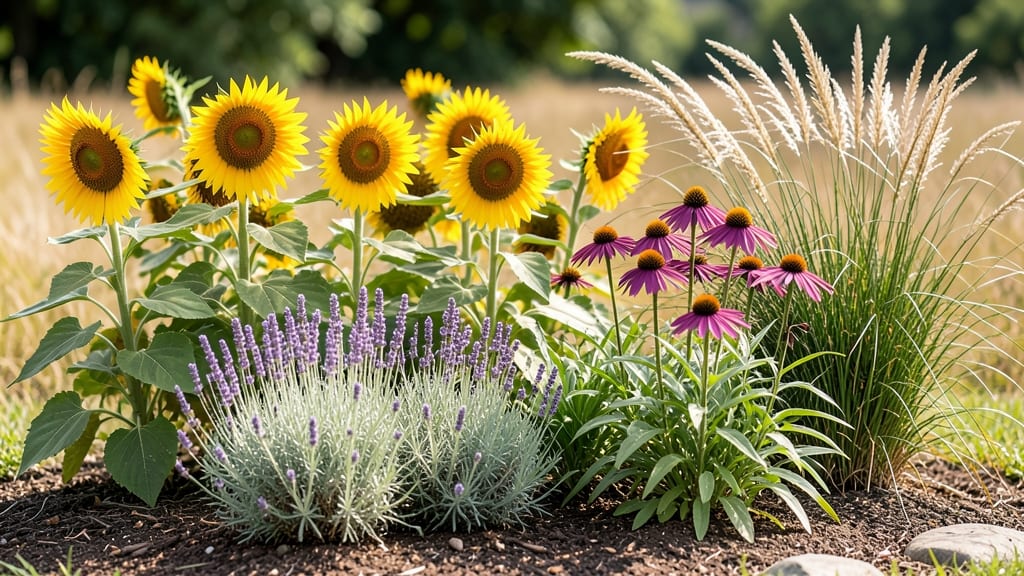
Backyard garden lovers will find these 10 easy-care plants perfect for their outdoor spaces, offering drought-tolerant succulents, fragrant lavender, and shade-loving hostas that require minimal attention while providing vibrant colors and textures throughout the seasons.
If you're a backyard garden lover looking to create a stunning outdoor space without the daily upkeep, these plants are your best friends. 🌿 They're designed to handle neglect—whether it's dry spells, less-than-ideal soil, or occasional forgetfulness—while still looking lush and inviting.
The key to their success lies in their natural resilience: succulents store water in their leaves, lavender thrives in poor soil with full sun, and hostas adapt beautifully to shady corners where other plants might struggle.
Plus, they attract pollinators and add ecological value to your yard, making them practical choices for both beauty and biodiversity.
What sets these plants apart is how they simplify gardening.
Most need watering only once a week during dry periods, and many repel pests naturally, so you won't be battling aphids or deer as often. 🌸 For example, lavender's strong scent deters mosquitoes, while hostas' broad leaves create shade for smaller plants below.
Whether you're a beginner or just short on time, these plants deliver maximum impact with minimal effort—ideal for anyone who loves gardening but wants to enjoy it more than work at it.
💡 In This Article
- Why These Low-Maintenance Plants Thrive in Any Backyard
- Planting and Care Tips for Busy Garden Enthusiasts
Why these low-maintenance plants thrive in any backyard
The secret behind these resilient plants lies in their evolutionary adaptations. Succulents, like echeveria or sedum, store water in their thick leaves through a process called crassulacean acid metabolism (CAM).
This allows them to photosynthesize while minimizing water loss, making them perfect for dry climates or forgetful waterers. 🌵 For instance, a sedum plant can survive with just 1 inch of water every 2-3 weeks once established, compared to traditional flowers that need weekly hydration.
Lavender's hardiness comes from its natural resistance to pests and diseases. The oils in its leaves, like linalool and linalyl acetate, act as a built-in pesticide, repelling insects while attracting beneficial pollinators like bees.
These oils also give lavender its signature fragrance, which improves with age—something you won't find in many commercial pesticides. 🐝 The plant's deep root system (reaching up to 3-5 feet) makes it drought-tolerant, while its silvery foliage reflects sunlight, reducing water evaporation from the soil.
Hostas thrive in shade because they've evolved to compete with tree roots for moisture and nutrients. Their broad leaves contain high levels of allantoin, a compound that helps them recover from damage quickly.
Unlike sun-loving plants that wilt in shade, hostas grow more slowly but maintain their lush appearance with minimal care. Their underground rhizomes spread naturally, creating dense foliage that crowds out weeds—a feature that saves gardeners hours of weeding annually.
These plants also adapt to various soil types. Succulents prefer well-draining soil (like a mix of 60% potting mix and 40% perlite), while lavender thrives in poor, rocky soil where most plants would fail.
Hostas, meanwhile, tolerate clay or sandy soil as long as it's not waterlogged. This adaptability means you don't need expensive amendments to create the perfect growing conditions—just plant them where they naturally fit.
Ecologically, these plants are powerhouses. Lavender attracts 15+ pollinator species per plant, while hostas provide shelter for ground-dwelling creatures like toads.
Succulents support native bees by offering nectar in late summer when other flowers have faded. 🌿 By choosing these plants, you're not just reducing your workload—you're creating a mini-ecosystem that supports local wildlife while requiring almost no intervention.
For example, a single lavender bush can produce enough nectar to feed a colony of bees for weeks, while a hosta clump can spread to cover 3-5 square feet in just two growing seasons—all without needing fertilizer.
This combination of practicality and ecological benefit is what makes these plants ideal for gardeners who love nature but hate the hassle of constant upkeep.