
Companion Plants
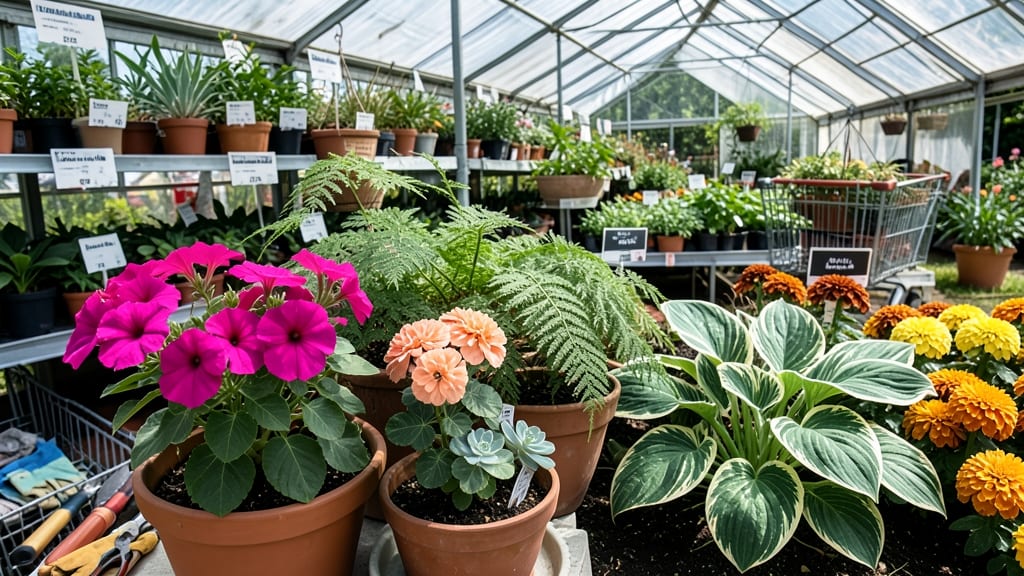
Garden centers showcase the types of plants involved in gardening—perennials, annuals, shrubs, trees, herbs, and vegetables—carefully curated by function, whether for beauty, food production, or supporting pollinators and pest control through strategic companion planting.
This diverse selection isn't random: garden centers organize plants by their roles in the ecosystem. 🌱 For example, marigolds deter pests when planted near tomatoes, while clover enriches soil by fixing nitrogen.
Seasonal displays ensure you can find spring bulbs, summer annuals, and fall perennials—all chosen to thrive in your region's climate. The layout often mirrors real garden designs, with borders, containers, and pollinator-friendly zones clearly marked to simplify your planning.
Whether you're designing a vegetable patch or a decorative border, understanding these categories helps you create a balanced, functional space. The key is matching plants by sunlight needs, bloom cycles, and growth habits—for instance, pairing sun-loving lavender with drought-tolerant rosemary in a Mediterranean-style garden.
💡 In This Article
- How Garden Centers Categorize Plants by Growth Habits and Ecosystem Roles
- Seasonal Plant Selection Guide for Garden Centers
How garden centers categorize plants by growth habits and ecosystem roles
Garden centers don't just sell plants—they curate them based on how they interact with their environment and each other. The most fundamental categories are based on growth habits: perennials (like hostas or daylilies) return yearly, while annuals (such as zinnias or petunias) complete their life cycle in one season.
This distinction matters because perennials often have deeper root systems that improve soil structure over time, while annuals provide quick color and can be replanted to extend seasons.
Ecosystem roles are where the real magic happens.
For instance, companion plants like marigolds release chemicals that repel pests when planted near tomatoes, while nitrogen-fixing plants such as clover or beans convert atmospheric nitrogen into soil nutrients. 🌿 The science behind this is rooted in plant chemistry—marigolds emit alpha-terthienyl, a compound toxic to nematodes, while clover forms symbiotic relationships with rhizobia bacteria in the soil.
These pairings aren't just theoretical; garden centers often display them together with signs explaining their benefits.
Sunlight needs create another layer of organization. You'll typically find full-sun plants (6+ hours of direct light) like lavender or sunflowers grouped separately from shade-tolerant varieties (less than 4 hours) such as ferns or astilbes.
This separation helps prevent common gardening mistakes—like planting sun-loving basil in a shady corner where it'll produce bitter leaves. The color-coded plant tags you see in garden centers often include sun exposure icons to make this instantly clear.
Soil preferences further refine these categories. Acid-loving plants like blueberries (pH 4.5-5.5) are displayed near peat moss and sulfur amendments, while alkaline-tolerant succulents (pH 6.0-7.5) get grouped with crushed granite. This isn't just about survival—it's about thriving.
A garden center might have a dedicated "native plants" section featuring species adapted to local soil conditions, which require less maintenance and support regional biodiversity better than non-native imports.
Seasonal bloom cycles create the final organizational layer. Spring bulbs like tulips are displayed in late winter with planting instructions, while summer annuals like cosmos are arranged with pollinator-friendly labels.
This seasonal logic helps gardeners visualize their garden's progression—imagine seeing a display that shows how a spring bulbs (daffodils) → summer annuals (black-eyed Susans) → fall perennials (mums) sequence would create continuous interest. The centers often include timeline charts showing when each plant reaches peak performance.
What most people don't realize is how these categories intersect. For example, a pollinator garden section might feature perennial milkweed (for monarchs) alongside annual borage (for bees), combining long-term and seasonal benefits.
The physical layout of garden centers mirrors this complexity, with pathways guiding you through these interconnected roles—from the vegetable garden section to the ornamental borders, all designed to help you create a functional, beautiful ecosystem at home. 🌸