
Tools
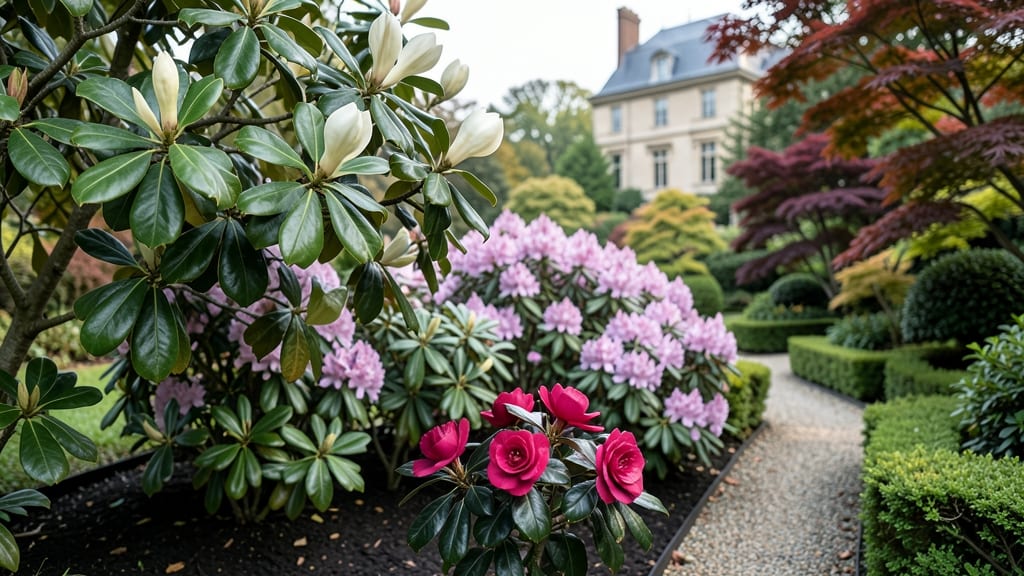
Exploring Filoli Garden in Redwood City reveals a 672-acre masterpiece where historic architecture meets meticulously designed gardens, all shaped by the vision of the Bechtel family in the early 1900s. This estate's Italianate villa, cascading terraces, and ever-changing floral displays create a living museum for plant lovers and history buffs.
The Bechtel family's vision transformed this estate into a harmonious blend of European garden traditions and California's native flora, creating a unique landscape that feels both timeless and distinctly West Coast. 🌿 What sets Filoli apart is its commitment to preserving rare plant collections—like its prized camellias and drought-resistant succulents—while offering visitors practical gardening inspiration they can apply at home.
The terraced gardens alone tell a story of careful planning, with each level designed to showcase different plant families while managing the estate's natural slope.
Beyond its visual beauty, Filoli serves as an outdoor classroom for gardeners. The estate's seasonal displays—from spring's vibrant blooms to winter's holly collections—demonstrate how to create year-round interest in any garden.
Visitors often leave with new plant ideas and even specific varieties to seek out at local nurseries in Redwood City. The combination of historical context and hands-on horticultural knowledge makes every visit both educational and inspiring.
💡 In This Article
- Filoli’s Historic Garden Design and Plant Collections
- Visiting Filoli: Best Times, Hidden Features, and Gardening Tips
Filoli’s historic garden design and plant collections
The Bechtel family’s garden design philosophy at Filoli was rooted in creating a seamless fusion of European elegance and California’s rugged natural beauty. The estate’s terraced gardens, inspired by Italian Renaissance landscapes, were strategically carved into the estate’s natural 100-foot elevation change to manage water flow while maximizing visual impact.
Each terrace follows a 15-degree slope, a deliberate choice to prevent erosion while providing dramatic sightlines from the villa’s second-floor balconies.
The family’s horticulturist, Frederick Law Olmsted Jr., ensured every plant selection served both aesthetic and functional purposes—like using drought-tolerant lavender on lower terraces to conserve water while still providing vibrant color.
What makes Filoli’s plant collections truly special is their careful curation of 1,200+ rare and historic plant varieties, many of which were introduced during the estate’s golden era (1915-1949).
The garden features 300 camellia varieties, including some of the first hybrids ever cultivated in California, which thrive in the estate’s mild Mediterranean climate with 250 sunny days annually.
The roses alone represent 150 different cultivars, carefully chosen to bloom sequentially from spring through fall—creating a continuous 9-month floral display. Even the succulents play a role in the design, with agave and yucca species strategically placed along pathways to reduce maintenance while adding architectural interest.
The integration of native California plants was revolutionary for its time. While many estates focused solely on imported European species, Filoli’s designers incorporated coast live oak, toyons, and manzanita throughout the landscape to create ecological harmony.
These native plants require 30-50% less water than their European counterparts while supporting local pollinators—a sustainable approach that feels surprisingly modern today. The estate’s 12-acre woodland garden demonstrates this perfectly, where native understory plants like California fuchsia thrive under the canopy of mature oaks, mimicking natural ecosystems.
Seasonal bloom cycles are carefully engineered at Filoli, with each garden area designed to peak at different times.
The spring garden (March-May) features 20,000 tulip bulbs planted in geometric patterns that emerge like a living carpet, while the summer borders showcase hydrangeas and dahlias that reach heights of 4-6 feet.
Winter becomes a star with holly collections and evergreen shrubs that maintain color even in California’s mild winters (40-60°F). This rotational blooming ensures the estate never feels "done"—each visit reveals something new, whether it’s the camellias in February or the late-season asters in November.
The cultivation secrets behind these collections reveal why Filoli’s gardens remain so vibrant after over a century. The estate uses a drip irrigation system that delivers water directly to plant roots with 90% efficiency, a technique now standard in modern sustainable gardening.
Soil amendments like composted oak leaf litter provide slow-release nutrients, while the gardeners maintain precise pH levels between 6.0-7.0 for optimal plant health.
Even the pruning follows a seasonal schedule: roses are pruned in late winter, camellias after blooming, and hydrangeas in early spring—each timing designed to maximize next year’s growth.
For plant enthusiasts, Filoli serves as a living laboratory of horticultural techniques. The estate’s plant labels (over 1,500) include cultivation notes that visitors can use at home—like the camellia care cards that recommend morning sun exposure and acidic soil mixes.
The terraced layout itself offers a masterclass in slope management, demonstrating how to create usable garden space on challenging terrain. Whether you’re admiring the Italianate parterres or the wildflower meadows, every element tells a story of thoughtful design and botanical expertise. 🌸