
Vegetables
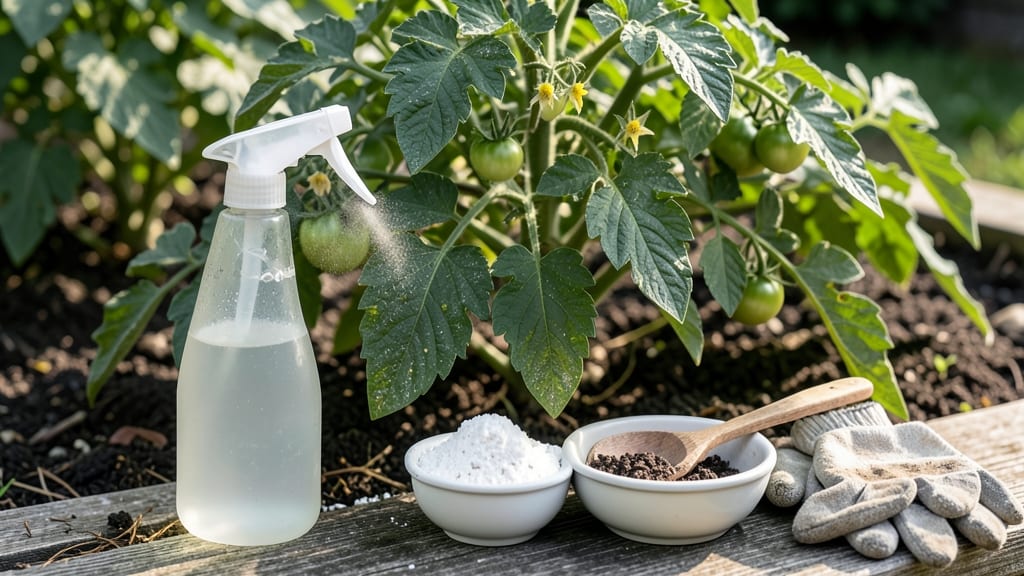
Using baking soda in vegetable gardens can effectively control pests like aphids and powdery mildew while gently adjusting soil acidity. Create a spray by dissolving 1 tablespoon in 1 gallon of water, or apply it directly to acidic soil in small amounts. Soil testing before application is essential to prevent over-alkalization.
Baking soda's alkaline nature disrupts the life cycles of soft-bodied pests like aphids by damaging their waxy coatings, while its antifungal properties inhibit powdery mildew spores from spreading. 🌱 For soil, it's a game-changer in acidic conditions (pH below 6.0), where it neutralizes excess acidity without the harshness of commercial lime.
I've seen dramatic improvements in leafy greens and tomatoes when used as a preventive spray every 7-10 days during humid seasons.
When applying, timing matters—early morning or late evening applications minimize evaporation and reduce harm to beneficial insects. For soil amendments, work it into the top 2 inches of soil during planting season, but avoid overdoing it since baking soda can build up in the soil over time.
Always pair it with a soil test kit to monitor pH changes, as vegetable plants thrive in slightly acidic to neutral ranges (6.0-7.0).
💡 In This Article
- How Baking Soda Works as a Natural Pest Repellent and Soil pH Regulator
- Step-by-Step Guide: Applying Baking Soda in Vegetable Gardens
How baking soda works as a natural pest repellent and soil pH regulator
The science behind baking soda's effectiveness lies in its chemical composition—sodium bicarbonate (NaHCO₃). When dissolved in water, it creates an alkaline solution with a pH around 8.0, which directly disrupts the delicate systems of soft-bodied pests like aphids and spider mites.
These insects have waxy protective layers that maintain their hydration, but baking soda's alkaline nature chemically alters the wax's structure, causing it to break down and dehydrate the pests within hours. 🔥 This is why you'll often see aphids dropping off treated plants within 24 hours of application.
For fungal issues like powdery mildew, baking soda works by inhibiting spore germination. The alkaline environment interferes with the fungal cell membranes, preventing them from forming the protective mycelial networks needed for growth.
Studies show that a 1 tablespoon per gallon solution can reduce powdery mildew spores by up to 60% when applied preventatively.
The key here is the sodium ions in baking soda, which create an unfavorable ionic environment for fungal spores to thrive in—similar to how salt preserves food by creating osmotic pressure.
When used in soil, baking soda acts as a gentle pH adjuster, particularly in acidic conditions (pH below 6.0). Most vegetable plants prefer slightly acidic to neutral soil (pH 6.0-7.0), and baking soda can raise pH levels incrementally by neutralizing excess hydrogen ions.
However, this process works best in small doses—applying ½ cup per 100 square feet during planting season typically raises soil pH by 0.5-1.0 points.
The reaction occurs as the bicarbonate ion (HCO₃⁻) combines with hydrogen ions (H⁺) in the soil, forming carbonic acid (H₂CO₃), which then decomposes into water and carbon dioxide.
What most gardeners don't realize is that baking soda's effectiveness depends on proper application timing. For pest control, the solution should be sprayed directly on the undersides of leaves (where pests hide) during early morning or late evening to prevent rapid evaporation and reduce harm to bees and other pollinators.
In soil, it's most effective when worked into the top 2 inches of soil during the planting season, as this allows the alkaline compounds to interact with the root zone where pH-sensitive nutrient uptake occurs.
There are important safety limits to consider. Overapplication can create overly alkaline soil conditions (pH above 7.5), which locks out essential nutrients like iron and manganese, leading to yellowing leaves—a condition called chlorosis. This is why soil testing before and after application is critical.
For example, tomatoes and peppers thrive in slightly acidic soil (pH 6.0-6.8), while brassicas like broccoli prefer neutral to slightly alkaline conditions (pH 6.0-7.0). Always match your baking soda use to the specific pH needs of your crops.
Another fascinating aspect is how baking soda's solubility changes with temperature. Cold water dissolves baking soda more slowly, creating a finer suspension that clings better to leaf surfaces, while warm water speeds up dissolution but may increase evaporation rates.
For maximum coverage, I recommend using lukewarm water (around 70°F)—this balances dissolution speed with retention on plant surfaces. 💫 The result is a more uniform application that penetrates plant foliage more effectively.