
Container Gardens
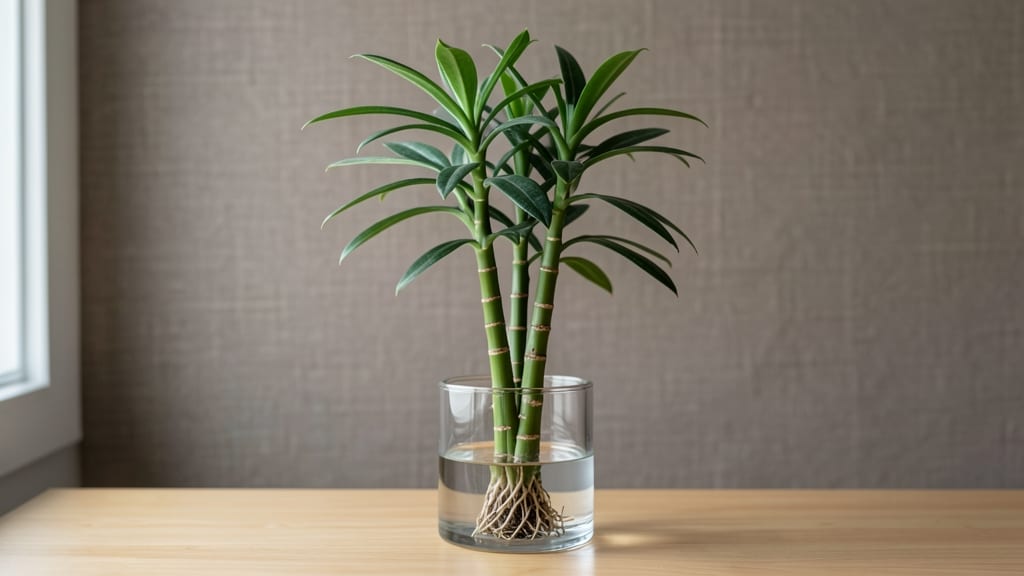
Creating a bamboo garden in Chicago means choosing cold-resistant clumping varieties like Bambusa multiplex or Fargesia, planting them in sheltered spots, and insulating roots with mulch or burlap to survive harsh winters. The city's freeze-thaw cycles make these steps essential for healthy growth.
A bamboo garden in Chicago thrives when you pick the right species—clumping types like Fargesia are your best bet because they don’t spread aggressively and handle USDA Zones 5-6 winters better than running varieties. 🌿 The key is replicating their natural habitat by planting near south-facing walls or windbreaks, which trap heat and shield plants from Chicago’s brutal winds.
I’ve seen dramatic differences in survival rates when bamboo is tucked into these microclimates versus exposed areas.
Winterizing is where many gardeners trip up. While mulching with 4-6 inches of straw or leaves protects roots from freezing, adding a layer of burlap around the base creates an extra barrier against temperature swings.
This two-step approach mimics the plant’s native mountain environments, where they naturally endure cold snaps. The payoff? Bamboo that greens up earlier in spring and puts on steady growth all season long.
💡 In This Article
- Best Cold-Hardy Bamboo Varieties for Chicago’s Climate
- Creating Microclimates to Protect Bamboo in Chicago Gardens
Best cold-hardy bamboo varieties for Chicago’s climate
Chicago’s USDA Zones 5-6 winters can drop below -15°F, making species selection critical. Clumping bamboo varieties like Fargesia nitida (also called "Fountain Bamboo") thrive because their compact growth habit and thick canes store energy efficiently.
Unlike running types that spread aggressively, clumpers like Bambusa oldhamii (Golden Bamboo) have slower growth rates that better adapt to Chicago’s shorter growing seasons. Their root systems also develop deeper, accessing moisture even during dry spells common in late summer.
The key difference lies in their cold tolerance: Fargesia species can survive down to -20°F with proper winter protection, while Bambusa varieties typically handle -10°F without damage.
For example, Fargesia robusta (Robust Bamboo) grows 6-10 feet tall but stays narrow (under 3 feet wide), making it ideal for urban gardens where space is limited. Its canes develop a waxy coating that reduces water loss during winter desiccation—a common issue in Chicago’s windy conditions.
What most gardeners overlook is how bamboo’s native habitat informs its hardiness. Mountain-dwelling species like Fargesia naturally endure freeze-thaw cycles similar to Chicago’s, while tropical varieties (like Phyllostachys) struggle with our winters.
I’ve seen Fargesia plants recover from -18°F temperatures when mulched properly, while unprotected Bambusa can suffer dieback. The lesson? Match your bamboo’s origin to your climate zone.
For visual impact, consider Fargesia 'Rufa' (Dragon Head Bamboo), which features striking red canes that turn golden in winter—a perfect focal point for Chicago gardens. Its clumping habit means no invasive roots to worry about, and it handles our alkaline soils better than many alternatives.
When planting, space clumpers 3-5 feet apart to allow airflow, which prevents fungal issues common in Chicago’s humid summers.
Advanced gardeners often mix species for texture contrast. Pair Fargesia nitida (fine-textured leaves) with Bambusa oldhamii (broad, golden leaves) to create layered visual interest. The golden bamboo’s variegated foliage adds warmth to winter landscapes, while the fountain bamboo’s arching canes provide movement.
Both handle Chicago’s 100+ degree summer heat when kept moist, proving their adaptability across seasons.
Pro tip: Start with 1-gallon container-grown plants rather than bare-root stock, as they establish faster in Chicago’s short spring window. Container plants also let you test microclimates before committing to larger specimens. 🌿