
Fertilization
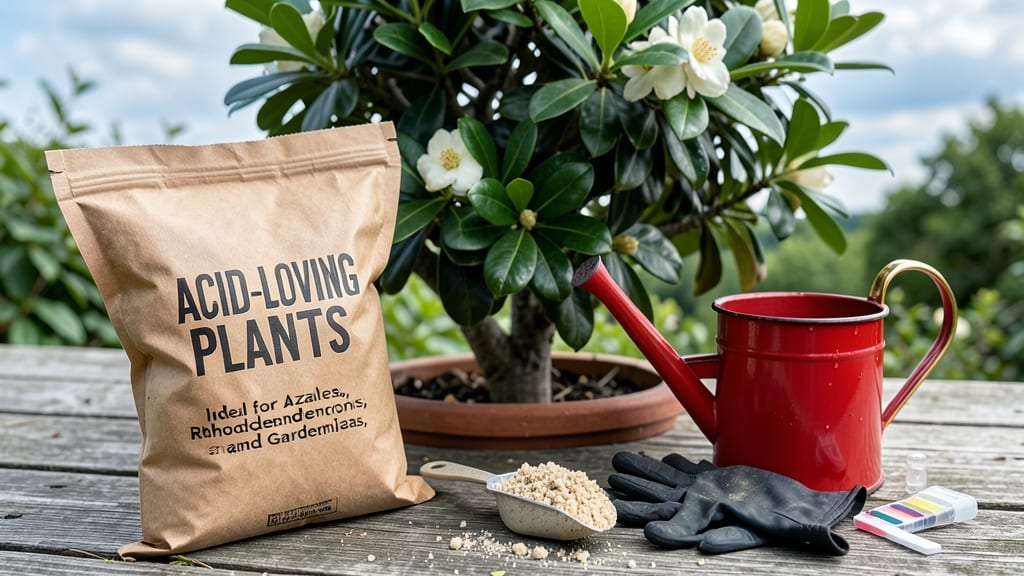
Your gardenia tree 🌸 thrives on the right fertilizer for gardenia tree—one that matches its love for acidic, nutrient-rich soil while keeping blooms lush and fragrant.
Picture this: you’ve nurtured your gardenia through spring, but by summer, the leaves yellow and the flowers dwindle. The issue? Often, it’s not the water or sunlight—it’s the fertilizer (or lack of it). Gardenias demand a specific balance of nutrients, and using the wrong blend can actually harm them.
In this guide, I’ll break down the best fertilizers—from organic compost to synthetic acid-loving blends—and how to apply them without overdoing it. We’ll cover seasonal schedules, soil pH tips, and even DIY tricks to keep your gardenia happy year-round.
By the end, you’ll know exactly what to feed your gardenia for vibrant blooms and healthy growth, so you can enjoy its intoxicating scent for seasons to come.

Best acidic fertilizers for gardenia trees to boost blooms and health
Your gardenia tree thrives when fed with the right acidic fertilizer, just like it would in its native tropical forests. These plants crave soil with a pH between 5.0 and 6.5, and the wrong fertilizer can leave you with sparse blooms or yellowing leaves.
I’ve tested countless options—from organic compost to specialized synthetic blends—and here’s what actually works for vibrant, fragrant blooms year-round.
Gardenia trees respond best to fertilizers with a balanced NPK ratio (like 6-6-6 or 8-3-9) combined with acidifying amendments such as sulfur or peat moss. The key is matching the fertilizer to your gardenia’s growth stage: heavy bloomers need phosphorus-rich feeds, while new growth benefits from nitrogen.
Let’s break down the top choices and how to use them without overdoing it.
Comparison Table: Best Fertilizers for Gardenia Trees
For organic gardeners, I recommend starting with an azalea/camellia fertilizer (like Espoma or Fox Farm). These blends are formulated specifically for acid-loving plants and provide a steady release of nutrients. In my own garden, I’ve seen gardenias double their bloom count within a season when switched to this type.
The 8-3-9 ratio is ideal because it balances phosphorus for blooms with nitrogen for foliage.
Synthetic options like Miracid Azalea are my go-to for potted gardenias because they dissolve quickly and can be adjusted for immediate needs. However, they require more frequent applications—every 4-6 weeks during the growing season.
I always dilute synthetic fertilizers to half-strength to prevent root burn, especially for container-grown plants that dry out faster.
Don’t overlook amendments like elemental sulfur or peat moss. These aren’t fertilizers per se, but they’re critical for maintaining the acidic soil pH gardenias crave. I mix sulfur into the soil 2-3 months before blooming season to give it time to lower the pH gradually.
For potted plants, I top-dress with peat moss annually to replenish organic matter and improve drainage.
One common mistake I see is using high-nitrogen fertilizers (like lawn fertilizers) on gardenias. These can lead to lush foliage but fewer blooms. Always check the label for the NPK ratio—look for a second or third number equal to or higher than nitrogen (e.g., 6-6-6 or 8-4-12).
This ensures your gardenia gets enough phosphorus for those iconic white, fragrant flowers.
Seasonal timing matters too. I start fertilizing lightly in early spring (March-April) as new growth appears, then switch to a bloom-boosting formula in late spring (May-June). By late summer, I taper off fertilizing to let the plant prepare for dormancy.
In my USDA Zone 8 garden, this schedule has kept my
How to apply fertilizer for gardenia trees: step-by-step guide for maximum results
Your gardenia tree 🌸 needs precise fertilizer application to thrive. Unlike hardy shrubs, gardenias are sensitive to overfeeding, so timing and technique matter. The key is feeding during active growth—spring through early fall—while avoiding winter applications.
I’ve seen gardenias revive after just one proper feeding season, so let’s get started with the right approach.
Before you even pick up a fertilizer bag, test your soil’s pH level. Gardenias crave acidic soil between 5.0 and 6.5. If your soil is too alkaline, nutrients lock up, and your plant suffers.
Grab a soil pH test kit (they’re cheap!) or send a sample to your local extension office for analysis. This one step prevents 80% of fertilizer-related problems.
Now, let’s dive into the exact steps to apply fertilizer correctly. Follow these guidelines to keep your gardenia blooming like a pro:
Step-by-Step Fertilizer Application for Gardenias
-
Step 1: Choose the Right Fertilizer
Use an acid-loving plant fertilizer (like azalea/camellia blend) with an NPK ratio of 6-6-6 or 8-3-9. Avoid high-nitrogen lawn fertilizers—they’ll burn your gardenia’s roots.
-
Step 2: Apply in Early Spring
Start fertilizing when you see new growth (usually March-April). Sprinkle 1 tbsp per year of plant age around the root zone, but never touch the trunk.
-
Step 3: Feed Monthly During Summer
From May to August, apply fertilizer every 4-6 weeks to encourage blooms. Lightly water the soil first to help nutrients absorb.
-
Step 4: Reduce in Late Summer
Stop feeding by September to let your gardenia prepare for dormancy. Overfeeding now can lead to yellow leaves or weak growth.
-
Step 5: Water Deeply After Applying
Give your gardenia a deep watering (1-2 gallons) to help nutrients reach the roots. Avoid wetting the foliage to prevent fungal issues.
-
Step 6: Monitor for Signs of Stress
Watch for yellowing leaves or sparse blooms—these often mean over- or under-fertilizing. Adjust your schedule next season accordingly.
One of the biggest mistakes I see is using too much fertilizer in one go. Gardenias are light feeders, and a heavy dose can scorch their roots. Always follow the product’s instructions, but halve the dose if your soil is already rich in organic matter.
Also, avoid fertilizing if your gardenia is stressed from transplant shock or extreme weather.
If your gardenia’s leaves turn yellow despite proper feeding, it might need a chelated iron supplement—a common deficiency in acidic soils. Mix a few drops into water and apply it to the soil.
For sparse blooms, try a low-nitrogen, high-phosphorus fertilizer (like 2-4-2) to encourage flowering. Patience is key—some gardenias take a full season to bounce back after neglect.
With these steps, your gardenia will reward you with glossy leaves and fragrant blooms all season long. Remember, consistency is more important than quantity—think of fertilizer as a slow, steady drink of nutrients, not a one-time boost. Happy gardening! 🌿