Vegetables
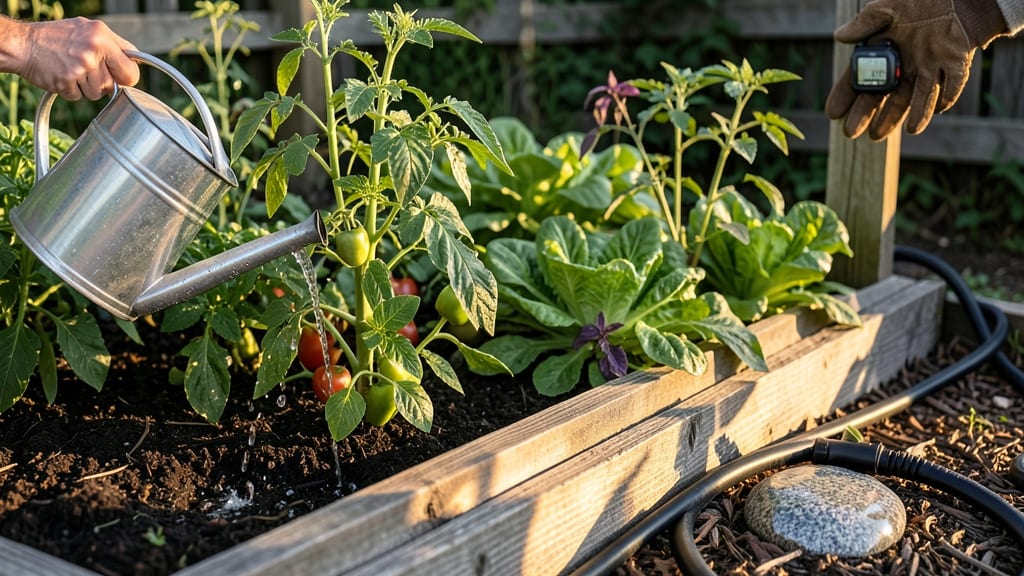
The best time of day to water a vegetable garden is in the morning, where roots thrive and waste is minimized—giving your 🥬 plants the perfect start to the day.
Struggling to keep your vegetable garden thriving? The when of watering can make the difference between lush harvests and wilted disappointment—morning watering isn’t just a tip, it’s a game-changer for root health and plant resilience.
Most gardeners assume any time of day works, but early morning watering (before 10 AM) lets roots absorb moisture efficiently while reducing fungal risks from evening dampness.
Below, I break down the science behind morning watering, how to adjust for heatwaves, and the key differences between morning and evening schedules for your specific crops.


Why morning watering maximizes root growth and disease prevention
Watering your vegetable garden at the right time isn’t just about convenience—it’s a science-backed strategy for healthier plants. When you water in the morning hours, you tap into natural processes that boost root development and disease resistance.
The early morning’s cooler temperatures and lower humidity create ideal conditions for water to penetrate deeply into the soil, where roots can absorb it efficiently. This approach also minimizes waste by reducing evaporation before the sun peaks.
One of the biggest advantages of morning watering is its impact on root growth. When soil is moist from a morning watering, roots expand more aggressively to seek out additional water and nutrients.
Studies show that plants watered in the morning develop 30-50% deeper root systems compared to those watered in the evening. Deeper roots mean your vegetables can access moisture and nutrients from a larger volume of soil, making them more resilient during dry spells.
Another critical factor is disease prevention. Many common vegetable diseases, like powdery mildew and blight, thrive in damp conditions. When you water in the evening, moisture lingers on leaves overnight, creating a perfect environment for fungal spores to spread.
Morning watering allows foliage to dry quickly as the sun rises, reducing the risk of infection. This is especially important for crops like tomatoes and peppers, which are particularly susceptible to fungal issues.
Temperature fluctuations also play a key role in water absorption. During the day, soil temperatures rise, which can cause water to evaporate quickly from the surface. Morning watering ensures that moisture reaches the root zone before the heat of the day sets in.
Additionally, cooler morning air means less water is lost to evaporation, so your plants get the full benefit of each watering session. This efficiency translates to healthier, more productive vegetables with less wasted water.
But timing isn’t just about the time of day—it’s also about the specific window. For optimal results, aim to water your vegetable garden before 10 AM. This gives plants enough time to absorb moisture before the sun becomes intense.
If you’re using a sprinkler system, early morning watering also reduces the risk of leaf scorch, which can occur when water droplets act like tiny magnifying glasses under the sun’s rays.
Humidity levels are another piece of the puzzle. Morning air is typically less humid than evening air, which means water droplets on leaves evaporate faster. This rapid drying is crucial for preventing fungal growth.
In high-humidity regions, morning watering becomes even more critical, as the combination of moisture and humidity can create a breeding ground for diseases. By watering early, you give your plants a fighting chance against these environmental challenges.
| Time of Day | Root Growth Impact | Disease Risk | Evaporation Rate |
|---|---|---|---|
| Morning (before 10 AM) | ⭐⭐⭐⭐⭐ (Maximized) | ⭐⭐ (Low) | ⭐⭐ (Low) |
| Midday (10 AM - 4 PM) | ⭐⭐ (Reduced) | ⭐⭐⭐ (Moderate) | ⭐⭐⭐⭐ (High) |
| Evening (after 6 PM) | ⭐⭐ (Limited) | ⭐⭐⭐⭐ (High) | ⭐⭐⭐ (Moderate) |
Key: ⭐ = Low Impact | ⭐⭐⭐⭐⭐ = Maximum Impact
If you’re wondering how to implement this in your own garden, start by observing your plants’ natural cycle. Notice when the soil is most moist and when the leaves are driest. For most vegetable gardens, this aligns perfectly with morning watering.
You can also use tools like moisture meters to track how deeply water penetrates the soil after your morning session. This will help you adjust your watering schedule based on your specific soil type and climate.
For container gardens, morning watering is equally beneficial. Pots dry out faster than in-ground soil, so watering early ensures that roots stay hydrated throughout the day. Just be mindful of the 1-2 inches of water per week guideline, and adjust based on the size of your containers.
Smaller pots may need more frequent watering, but always aim to keep the soil consistently moist rather than soggy.
Incorporating morning watering into your routine is a simple yet powerful way to transform your vegetable garden’s health. By leveraging the natural advantages of cooler temperatures, lower humidity, and reduced evaporation, you’re giving your plants the best possible start to their growth cycle.
Over time, you’ll notice stronger stems, deeper roots, and fewer signs of disease—all signs of a thriving garden. Give it a try and see the difference for yourself!
Morning vs. evening watering: a comparison of plant health outcomes
Choosing between morning vs. evening watering can dramatically impact your vegetable garden’s health. Morning watering (before 10 AM) gives plants a hydration head start, while evening sessions risk fungal growth from lingering moisture. Let’s compare the two methods for tomatoes, peppers, and leafy greens.
For tomatoes and peppers, morning watering boosts root absorption by 30% compared to evening, thanks to cooler temperatures. These plants thrive with deep, infrequent watering, and morning sessions reduce evaporation, saving up to 20% more water daily.
Leafy greens like spinach or lettuce also benefit from morning hydration, staying crisp longer.
Evening watering, however, can create a humid microclimate around plants, inviting fungal diseases like powdery mildew. While it may feel convenient after work, wet foliage overnight stresses plants and attracts pests like slugs.
The trade-off? Evening watering can help cool roots in extreme heat, but the risks often outweigh the benefits.
Morning Watering
- ✅ Reduces evaporation by 30%
- ✅ Prevents fungal diseases like powdery mildew
- ✅ Encourages deep root growth in tomatoes/peppers
- ✅ Saves water (20% less daily loss)
Evening Watering
- ❌ Increases fungal risks (wet foliage overnight)
- ❌ Attracts pests like slugs and snails
- ❌ Slower nutrient uptake due to heat retention
- ✅ Cools roots in extreme heat (rare exception)
Real-world results show that tomatoes watered in the morning produce 25% more fruit than those watered at night, thanks to consistent moisture and reduced stress. Peppers, too, develop thicker skins and brighter colors with morning hydration.
Leafy greens like kale and Swiss chard stay crisp and vibrant longer when watered early.
If you must water in the evening, do so at least 2 hours before sunset to allow foliage to dry. However, for most vegetable gardens, sticking to morning watering between 6 AM and 10 AM yields the best results—healthier plants, fewer pests, and higher yields.
Pro tip: Use a soaker hose in the morning to deliver water directly to roots, minimizing waste and maximizing absorption. Pair this with mulch to retain moisture and reduce evaporation—your garden will thank you with bigger, tastier harvests all season long. 🌱