
Container Gardens
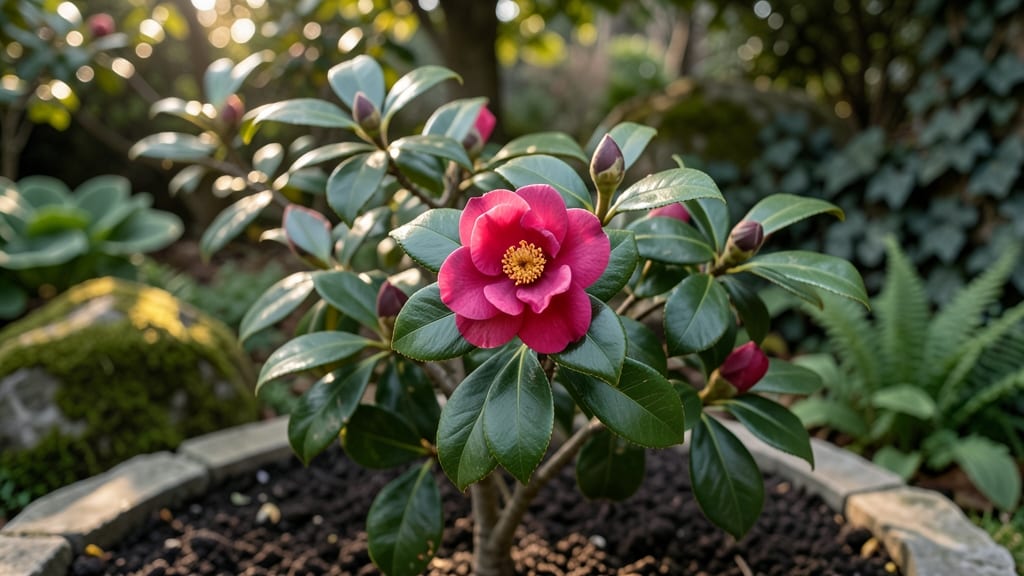
The botanical gardens in Fort Bragg feature carefully preserved native Carolina plants and scenic trails through the Fort Bragg Arboretum and Pope Field, highlighting rare species, pollinator gardens, and vibrant seasonal blooms like azaleas. Access is limited to authorized visitors and military personnel with proper passes.
Fort Bragg’s botanical gardens are a hidden treasure for plant enthusiasts, blending military history with ecological conservation. 🌿 The Arboretum alone protects over 50 species of native trees, while Pope Field showcases pollinator-friendly landscapes designed to support local bees and butterflies.
These gardens aren’t just beautiful—they play a crucial role in preserving endangered flora like the Carolina lily and American ginseng, which thrive in the region’s unique ecosystems.
What makes these gardens special is their dual purpose: they serve as both a scientific resource and a tranquil retreat. The seasonal blooms—especially spring azaleas and summer camellias—create stunning visual displays, while the trails offer peaceful escapes for those who know how to access them.
For visitors without military connections, nearby public gardens like Sandhills Botanical Garden provide similar beauty with unrestricted entry.
💡 In This Article
- Exploring Fort Bragg’s Native Flora and Ecological Zones
- How to Visit Fort Bragg’s Botanical Gardens: Rules and Tips
Exploring Fort Bragg’s native flora and ecological zones
The Fort Bragg Arboretum spans over 1,200 acres of protected land, making it one of the largest military-managed botanical reserves in the U.S. This living laboratory preserves 50+ native tree species, including towering loblolly pines, sweetgums, and rare Carolina silverbells.
The ecosystem here mirrors the broader Sandhills region, where acidic soils and sandy substrates create ideal conditions for plants like the American ginseng, a slow-growing medicinal herb that can take 5-7 years to mature and produces tiny white flowers in spring.
Wetland areas within the gardens host specialized flora like the Carolina lily, whose striking red blooms appear in late summer, and swamp azaleas that thrive in moist, shaded conditions.
These plants play critical ecological roles—like the Carolina lily, which provides nectar for declining monarch butterfly populations. 🌸 The gardens also feature pollinator corridors with milkweed, goldenrod, and black-eyed Susans, strategically planted to combat habitat fragmentation that threatens local bee species.
Unlike commercial gardens, these spaces prioritize native biodiversity over ornamental displays.
What sets Fort Bragg’s flora apart is its adaptive resilience. Many species here have evolved to withstand the region’s hot summers (up to 95°F) and mild winters (rarely below freezing), using deep root systems to access groundwater.
Take the longleaf pine, which dominates the landscape—its fire-adapted ecology allows it to regenerate after controlled burns, a practice historically used by Native American tribes and still employed today to maintain ecosystem health.
The gardens also serve as a living archive of historical plant use. For instance, the American beautyberry (a shrub with vibrant purple berries) was traditionally used by Cherokee communities for medicinal teas and dyes.
Visitors might spot its glossy leaves and clusters of berries along shaded trails, a reminder of the land’s deep cultural connections. 🌿 These plants aren’t just scientifically valuable—they’re threads in the fabric of the region’s history.
Seasonal changes transform the gardens dramatically. Spring brings wild azalea blooms in shades of pink and white, while summer showcases camellias and crapemyrtles in full bloom.
Autumn reveals the fiery hues of sweetgum leaves, and winter offers the skeletal beauty of witch hazel flowers—one of the few plants to bloom in late fall. Each season highlights different ecological roles, from seed dispersal to winter bird forage.
For those who visit, the sensory experience is immersive. The air carries the piney scent of longleaf forests, mixed with the sweet fragrance of blooming dogwoods in spring. Crunching underfoot on pine needles contrasts with the soft carpet of Spanish moss draping over oaks in wetter areas.
These details make the gardens more than just a visual treat—they’re a multi-sensory journey through Carolina’s natural heritage.