
Container Gardens
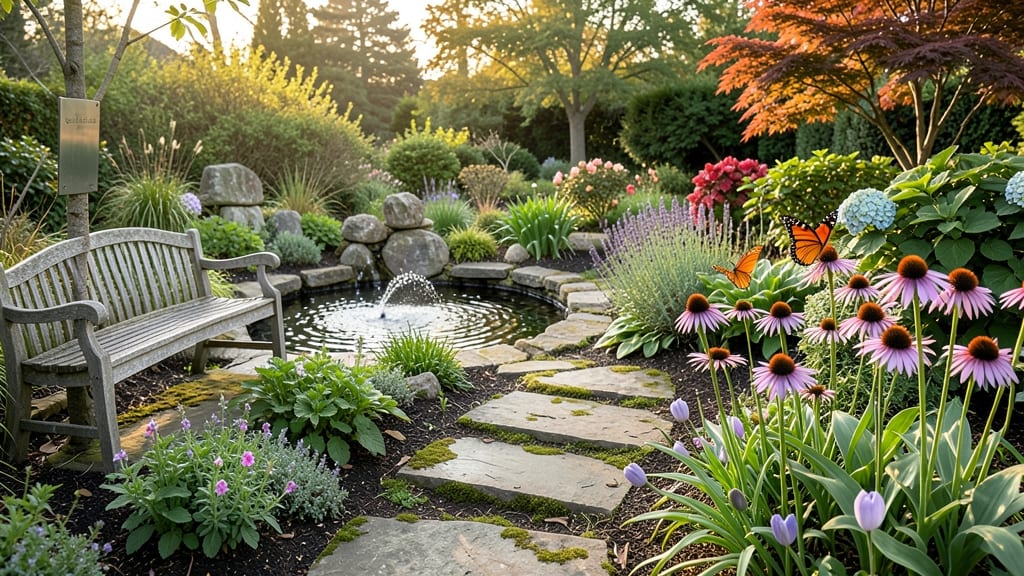
Ogden's Botanical Gardens offer themed sections including the Japanese Garden, Desert Botanical Area, and Children's Garden, along with seasonal displays showcasing Utah's native plant life. Visiting during peak bloom seasons and guided tours enhances your experience.
These gardens stand out for their diverse plant collections that reflect both regional and global botanical beauty.
The Japanese Garden, for example, features meticulously pruned maples and koi ponds, while the Desert Botanical Area highlights drought-resistant species like Joshua trees and cacti. 🌿 For visitors, timing matters—spring brings vibrant tulips and daffodils, while fall showcases fiery foliage.
I always recommend checking their event calendar for special workshops or seasonal plant sales, which add extra value to your trip.
Beyond the plants, Ogden's Botanical Gardens provide educational opportunities through their guided tours, which often focus on conservation efforts and native plant propagation. The Children's Garden serves as a perfect introduction for younger visitors, teaching them about plant life cycles in an interactive way.
Accessibility features like paved paths and wheelchair-friendly areas ensure everyone can enjoy the gardens comfortably.
💡 In This Article
- Exploring Ogden Botanical Gardens’ Signature Plant Collections
- Best Times and Tips for Visiting Ogden Botanical Gardens
Exploring Ogden botanical gardens’ signature plant collections
The Japanese Garden at Ogden Botanical Gardens is a masterpiece of tranquility and precision, designed to mimic traditional Zen landscapes. This half-acre oasis features carefully cultivated maple trees with vibrant red and orange foliage in autumn, along with meticulously raked gravel patterns that create meditative ripples.
The centerpiece is a serene koi pond, home to colorful carp that add movement to the stillness. What makes this garden unique is its use of native Utah plants like blue flax and mountain mahogany, blending Japanese aesthetics with local ecology. 🌿
The Desert Botanical Area showcases Utah’s arid ecosystems with over 100 species of cacti and succulents, including the towering Joshua tree and delicate prickly pear. This section demonstrates how plants adapt to extreme conditions with water-storing leaves and deep root systems.
Visitors can see rare specimens like the saguaro cactus, which can live for 150-200 years, and the ocotillo, known for its dramatic seasonal transformations. The rocky terrain and minimal water usage make this area both ecologically significant and visually striking.
Ogden’s native plant collections highlight Utah’s botanical diversity, featuring over 500 species adapted to the region’s climate. The Aspen Grove showcases trembling aspen trees that turn golden in fall, while the Wetlands Area features cattails and willows that thrive in marshy conditions.
These collections serve both educational and conservation purposes, demonstrating how native plants support local wildlife. For example, the beebalm attracts pollinators, while the yarrow provides food for birds. 🌸
Seasonal changes dramatically transform these collections. In spring, daffodils and tulips burst into color, while summer brings vibrant desert wildflowers like the Utah agave. Autumn transforms the Japanese Garden into a fiery spectacle, and winter reveals the skeletal beauty of dried grasses and seed pods.
The gardens also feature rare botanical specimens, such as the Utah serviceberry, which produces edible berries and stunning spring blossoms.
Beyond their visual appeal, these collections play crucial ecological roles. The pollinator garden supports bees and butterflies, while the wetlands restoration area filters water and provides habitat. Ogden’s botanical gardens serve as living laboratories, demonstrating how plants interact with their environments.
Visitors can observe firsthand how soil composition, sunlight exposure, and water availability influence plant growth. 🌱
For plant enthusiasts, the gardens offer educational opportunities through labeled displays and seasonal workshops. The Japanese Garden’s stone lanterns mark different planting zones, while the Desert Area’s interpretive signs explain each species’ ecological niche.
These details make the experience both informative and immersive, allowing visitors to connect with nature on a deeper level.