
Container Gardens
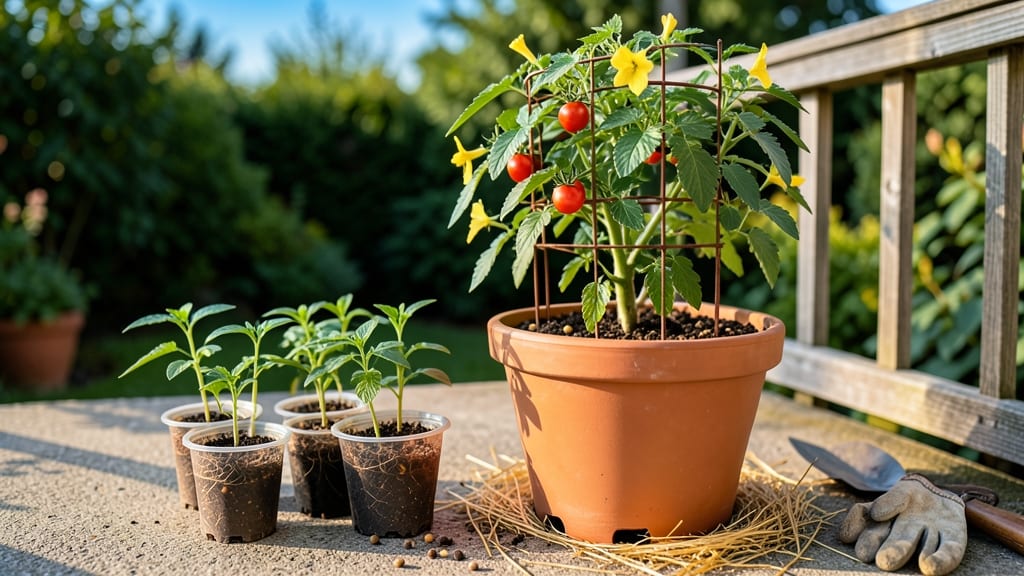
Growing a vegetable garden in pots lets you cultivate leafy greens, compact herbs, and small-fruited plants like cherry tomatoes in limited spaces, provided you use containers with at least 12-inch depth, well-draining soil, and proper sunlight rotation. Regular fertilization and moisture control are key to thriving container crops.
Container gardening transforms small balconies or patios into productive spaces by focusing on plants that naturally adapt to confined roots. 🌱 The secret lies in choosing crops with shallow root systems—like basil, spinach, or radishes—which grow happily in 5- to 12-inch pots.
Unlike traditional gardens, containers dry out faster, so I recommend watering in the morning and using self-watering systems for herbs. For best results, group plants with similar sunlight needs (e.g., peppers near tomatoes) and elevate pots to prevent waterlogging.
Another game-changer is soil selection: mix potting mix with compost for nutrients, and avoid garden soil which compacts and blocks drainage. I've found that adding perlite or vermiculite improves aeration, while slow-release fertilizer pellets eliminate the guesswork of feeding schedules.
With these adjustments, even urban dwellers can harvest fresh veggies without a yard—just a sunny windowsill or balcony!
💡 In This Article
- Best Vegetables and Herbs for Container Gardening
- Essential Container Setup Tips for Healthy Pot Vegetables
Best vegetables and herbs for container gardening
Container gardening thrives with plants that naturally adapt to confined spaces, particularly those with shallow root systems. Leafy greens like lettuce, spinach, and kale grow exceptionally well in pots because their roots rarely exceed 6-8 inches deep.
These crops also tolerate partial shade, making them ideal for urban balconies with limited sunlight. Herbs such as basil, parsley, and chives are perfect for containers because they grow in tight clusters and require minimal space—often thriving in pots as small as 6 inches in diameter.
The key to success lies in matching plant types to their sunlight needs. For example, cherry tomatoes and peppers need 6-8 hours of direct sunlight daily, while bush beans and radishes can tolerate 4-6 hours.
Compact varieties like 'Tiny Tim' tomatoes or 'Jalapeño M' peppers are specifically bred for containers, producing abundant fruit without sprawling. 🌿 What most people overlook is spacing—crowding plants in pots leads to competition for nutrients and air circulation, which invites pests.
Always follow spacing guidelines on seed packets, even in containers.
Root vegetables like carrots and beets can also work in containers, but they require deeper pots (at least 12 inches) and loose, sandy soil to prevent forking.
I've found that 'Paris Market' carrots grow beautifully in 10-inch deep pots, while beets like 'Detroit Dark Red' perform well in 8-inch containers. The trick is to sow seeds directly into the soil rather than transplanting seedlings, which helps prevent root damage that can stunt growth.
Herbs offer the most versatility in containers, with many thriving in 6-inch pots or even hanging baskets. For instance, thyme and oregano spread horizontally, making them perfect for window boxes, while rosemary and lavender prefer slightly larger containers (at least 8 inches) to accommodate their woody stems.
The aromatic oils in these herbs also act as natural pest deterrents, protecting nearby vegetables from aphids and other common container pests.
When planning your container garden, consider the harvest timeline. Fast-growing crops like radishes (3-4 weeks) and lettuce (4-6 weeks) are great for beginners, while slower growers like tomatoes (60-85 days) need more consistent care.
Succession planting—sowing new seeds every 2-3 weeks—maximizes your harvest in small spaces. For example, you can start a new batch of lettuce in the same pot after harvesting the first crop, ensuring a continuous supply throughout the growing season.
One of the biggest misconceptions is that all vegetables need full sun. While most edibles prefer plenty of light, some—like arugula, Swiss chard, and cilantro—can tolerate partial shade, making them excellent choices for north-facing balconies.
These shade-tolerant varieties often have a slightly milder flavor, which can be a bonus if you prefer less intense greens.
The key is to observe your plants: if leaves turn pale or leggy, they're likely not getting enough light, and you may need to relocate the container to a sunnier spot.