
Fertilization
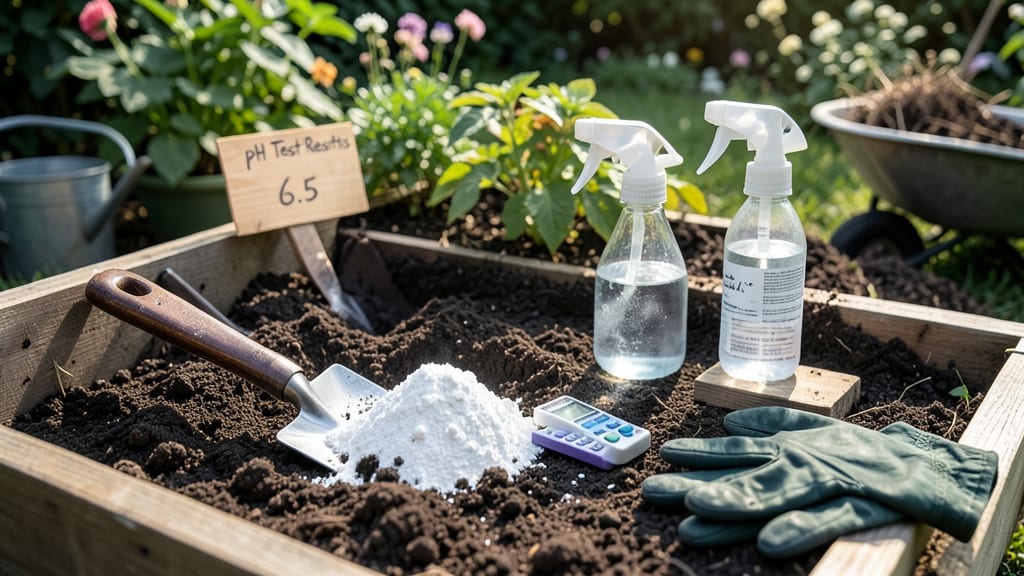
Using calcium carbonate in gardening helps adjust acidic soil by gradually raising pH levels, which benefits acid-sensitive plants like blueberries, azaleas, and many vegetables. For best results, apply 1-2 pounds per 100 square feet and work it into the top 6 inches of soil.
Calcium carbonate, often called agricultural lime, works by reacting with hydrogen ions in acidic soil to form water and carbon dioxide.
This chemical process slowly neutralizes acidity, creating a more stable soil environment for plants that prefer slightly alkaline conditions. 🌱 Unlike quick-acting amendments, calcium carbonate provides long-term pH balance, which is why it's ideal for gardens with chronically acidic soil.
Before applying, test your soil's pH to determine the exact amount needed—most garden centers offer affordable test kits. I recommend spreading the powder evenly across the soil surface and lightly raking it in during spring or early fall for optimal absorption.
Just remember: patience is key, as it can take several months to see full pH adjustments.
💡 In This Article
- How Calcium Carbonate Adjusts Soil pH Chemistry
- Best Practices for Applying Calcium Carbonate to Acidic Gardens
How calcium carbonate adjusts soil pH chemistry
Calcium carbonate works through a simple but powerful chemical reaction called neutralization. When added to acidic soil (pH below 6.5), it reacts with hydrogen ions (H+) to form water (H₂O) and carbon dioxide (CO₂).
This process converts the harmful acidity into harmless byproducts, effectively raising the soil's pH. The reaction looks like this: CaCO₃ + 2H⁺ → Ca²⁺ + H₂O + CO₂. Unlike quick-release amendments, calcium carbonate releases calcium ions gradually, which helps stabilize the soil's pH over time rather than causing sudden spikes.
The magic happens because calcium carbonate acts as a buffer—it doesn't just raise pH temporarily but creates a more resilient soil environment. For example, blueberries need a pH between 4.5-5.5 to thrive, while vegetables like tomatoes prefer 6.0-7.0.
Calcium carbonate helps shift the pH toward the upper range without overcorrecting, unlike dolomitic lime (which contains magnesium) that can sometimes overshoot the target. The key is its slow-release nature, which prevents sudden pH swings that could harm sensitive plants.
One thing most gardeners overlook is how particle size affects performance. Finer particles (like powdered calcium carbonate) dissolve faster and work deeper in the soil profile, while coarser granules stay near the surface.
For acidic soil, I recommend using a 50-75 micron particle size—this balances speed and depth, ensuring the amendment reaches the root zone where it's most needed. The texture also matters: finer particles create a smoother, more even distribution when spread.
What sets calcium carbonate apart from other amendments is its ability to improve soil structure. As it neutralizes acidity, it also helps break up compacted clay soils by adding beneficial calcium ions that promote better aggregation.
This means your soil will hold moisture more efficiently and allow roots to penetrate deeper. For instance, in heavy clay soils with pH below 6.0, adding calcium carbonate can reduce compaction by up to 30% over a growing season.
Timing your application matters too. The reaction is most effective when soil temperatures are between 50-70°F, which is why spring or early fall is ideal. At cooler temperatures, the chemical process slows down, giving you more control over the pH adjustment.
In contrast, applying it during hot summer months can accelerate the reaction too quickly, potentially causing pH spikes that stress plants. Think of it like baking: you want gradual, even heat, not a sudden blast.
For visual learners, imagine this: acidic soil is like a pool with too much lemon juice—sour and harsh. Adding calcium carbonate is like slowly adding baking soda to neutralize the acidity, creating a balanced environment where plants can thrive.
The difference is that calcium carbonate doesn't just mask the problem; it actually changes the soil's chemistry for the better. 🌿