
Tools
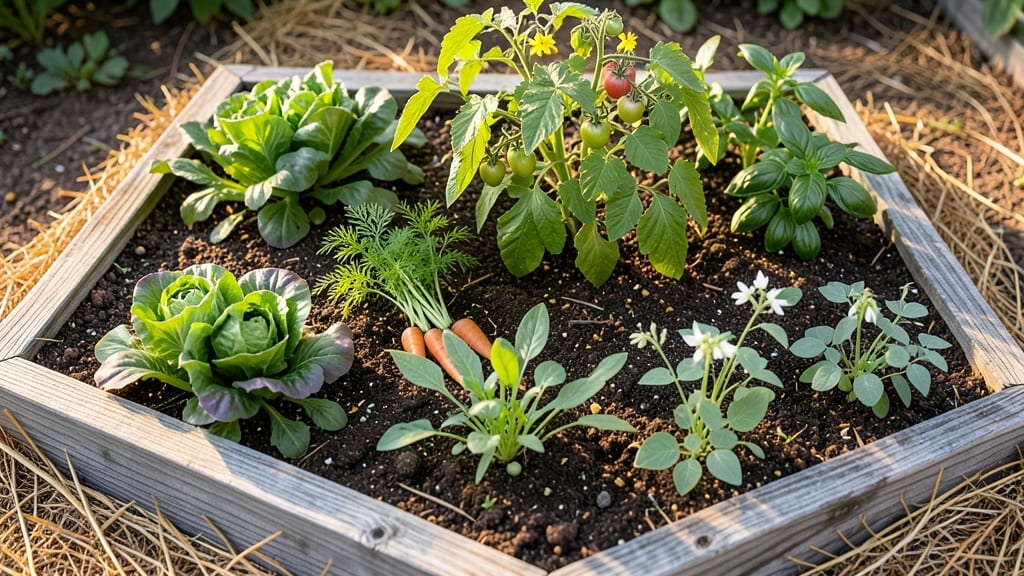
A gardening plot is a designated area for cultivating plants, organized by size, shape, and planting zones to maximize sunlight exposure, soil quality, and plant compatibility. These spaces can be as small as a 4'x4' raised bed or as large as an acre-sized field, tailored to your growing goals.
A gardening plot serves as the foundation of any successful garden, acting like a dedicated workspace where every inch is thoughtfully planned. 🌱 The right layout ensures plants get the sunlight, water, and nutrients they need while keeping weeds and pests at bay.
For example, a rectangular plot might be ideal for row crops like tomatoes, while square-foot gardening works better for small-scale vegetable mixes. I’ve found that dividing plots into zones—one for leafy greens, another for root vegetables—makes maintenance and harvesting much easier, especially in compact urban gardens.
Beyond just space, soil quality and drainage play a huge role in plot performance. A well-designed plot might include paths for easy access, windbreaks to protect delicate plants, and even trellises for climbing varieties. The key is balancing aesthetics with functionality—your plot should look inviting while working hard for you.
💡 In This Article
- How to Determine Optimal Gardening Plot Size and Shape
- Designing Functional Planting Zones Within Your Garden Plot
How to determine optimal gardening plot size and shape
The size and shape of your gardening plot directly impact plant health and your gardening experience. For instance, a 4'x8' raised bed provides ample space for most home gardeners, offering 32 square feet—enough for a family’s annual vegetable needs while remaining manageable.
This size maximizes edge space (where plants grow best) and minimizes wasted soil in the center. In contrast, larger rectangular plots (like 10'x20') are ideal for row crops such as corn or beans, where plants benefit from consistent sunlight exposure along long rows.
Shape matters just as much as size. Square or rectangular plots create efficient pathways between rows, reducing soil compaction from foot traffic. For example, a 4'x4' square-foot garden allows you to plant 16 different crops in a single square, making it perfect for small spaces or urban balconies.
Meanwhile, circular or kidney-shaped plots can create natural focal points but may waste space in the center. Soil drainage is another critical factor—raised beds improve drainage by elevating roots above ground level, while in-ground plots require amending clay-heavy soil with compost or sand to prevent waterlogging.
Ergonomic accessibility is often overlooked but essential for long-term gardening success. A plot that’s too wide (over 4 feet) forces you to step on soil, compacting it and making it harder for roots to breathe. Instead, aim for 3-4 feet wide with clear paths between sections.
For taller plants like sunflowers or pole beans, consider 2-3 feet of clearance around the edges to prevent shading smaller neighbors. I’ve found that adding a 2-foot-wide path between raised beds makes weeding and harvesting a breeze, especially on my knees after a long day of planting.
Sunlight requirements dictate plot placement and layout. Most vegetables need 6-8 hours of direct sunlight daily, so orient your plot north-south in the Northern Hemisphere to ensure even light distribution. Leafy greens like lettuce tolerate partial shade, while tomatoes and peppers thrive in full sun.
If your yard has uneven sunlight, divide your plot into zones—place sun-loving plants on the south side and shade-tolerant varieties on the north. For example, a 6'x6' plot could have its southern half dedicated to tomatoes and peppers, while the northern half hosts herbs and greens.
Consider your local climate when planning plot dimensions. In hot, dry regions, smaller plots with mulch retain moisture better, while larger plots in cooler climates benefit from windbreaks to protect tender crops.
For instance, a 5'x10' plot in Arizona might include drip irrigation and shade cloth, whereas a similar-sized plot in Maine could prioritize cold-hardy crops like kale or carrots. The key is adapting your plot’s design to your specific growing conditions rather than following a one-size-fits-all approach.
Finally, don’t underestimate the role of tools and accessibility. If you’re using a wheelbarrow or push mower, ensure your plot layout allows easy maneuvering. For example, leaving a 3-foot-wide path between raised beds gives you space to wheel a cart filled with compost or harvested veggies.
In my own garden, I’ve added a gravel path around the perimeter to keep soil clean and reduce muddy shoes during rainy seasons. These small details make gardening more enjoyable and sustainable in the long run.