Tools
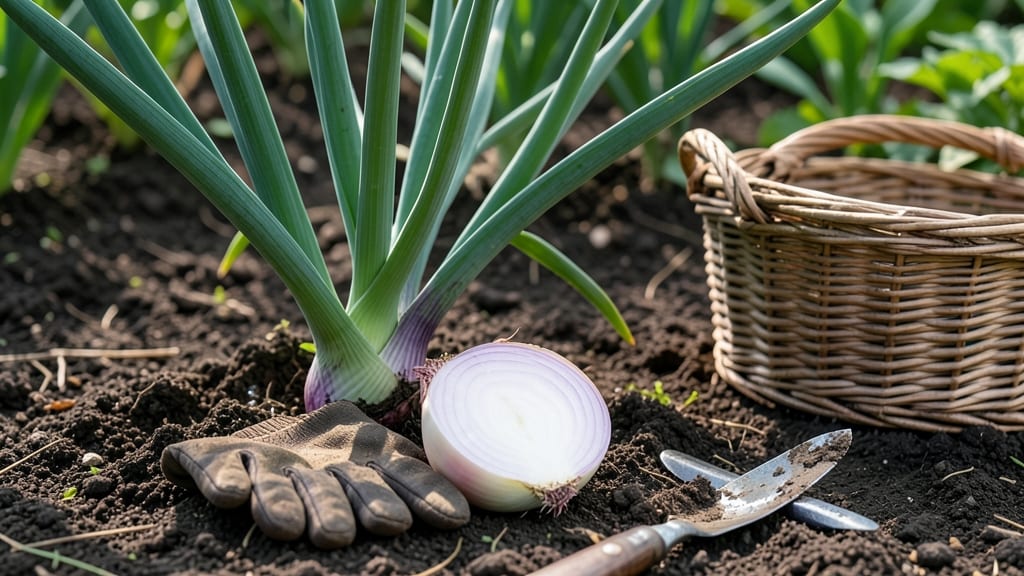
Pulling onions from the garden at the right time ensures sweet, flavorful bulbs instead of tough or pungent ones.
Too early, and you end up with small, sharp onions that lack the mellow taste you crave. Too late, and they turn stringy and bitter. The difference between a perfect harvest and a wasted crop often comes down to knowing exactly when to pull those 🧅 tops.
For most gardeners in zone 6a, the ideal window falls between June and July, roughly 100–120 days after planting. But the real secret lies in the visual cues—yellowing tops, firm bulbs, and a tight neck—that tell you the moment is now.
Below, I’ll walk you through the three key signs to watch for, plus how to adjust for your climate, so you never miss the sweet spot for harvesting onions.
3 Key visual signs your onions are ready to harvest
Knowing when to pull onions from your garden can transform your harvest from bland to bold. The difference between small, pungent bulbs and sweet, flavorful onions often comes down to timing. If you wait too long, you risk tough, stringy onions that lack the crisp texture we all love.
The good news? Your onions will give you clear visual cues when they're ready.
As a gardener who's spent years perfecting my onion harvests, I've learned to trust these three key visual signs over guessing by days or weeks. These indicators don't lie—they tell you exactly when to pull your onions for peak flavor and texture.
Let's explore what to look for in your garden beds.
🌱 3 Visual Cues Your Onions Are Ready
- 🟡 1. Yellowing Tops
When 50-75% of tops turn straw-colored and begin to flop over, this signals maturity. The green tops will eventually dry completely, but harvest when they're mostly yellow for best results. - 🌾 2. Firm Bulb Size
Gently dig around the onion base to check bulb size. For most varieties, bulbs should be 2-3 inches wide (about the size of a golf ball). Press gently—if it feels firm and dry, it's ready. - 📜 3. Tightened Neck
The neck between bulb and top should tighten and dry. Run your thumb along it—if it feels papery and stiff rather than soft, your onion is ready. This prevents rot during storage.
💡 Pro Tip: For green onions (scallions), harvest when the bulb is ½-inch wide and tops are still green—ignore these signs!
One common mistake I see is waiting until the tops are completely brown and crispy. While this might work for storage onions, it often means the bulbs have started to sprout or rot.
For fresh eating, aim to harvest when you see these three signs together. This balance gives you the perfect sweetness and crunch in every bite.
If you're growing short-day onions (like Texas Early White), they'll mature faster in warm climates. In cooler zones, these same visual cues still apply, but you might need to wait 10-14 extra days after seeing the first yellowing tops.
The key is consistency—check your onions weekly once they start showing signs of maturity.
To test for doneness without damaging your plants, use the "gentle squeeze test". Hold an onion bulb between your thumb and forefinger. If it gives slightly but feels solid and dry (not squishy), it's ready.
If it feels soft or moist, give it another week. This method works for both yellow and red onion varieties, though red onions may show a slight purple tint when ready.
Another helpful trick is to pull one test onion when you see the first signs of yellowing. Cut it open to check the neck and bulb. If the neck has started to dry and the bulb looks fully formed, your remaining onions are likely ready.
This small sacrifice saves you from harvesting too early or too late for your entire crop.
Remember that soil conditions can affect these visual cues. In dry, hot weather, onions may mature faster and show signs of readiness sooner. Conversely, cool, wet springs can delay maturity.
Always adjust your harvest timing based on what you see in your specific garden conditions rather than relying solely on a calendar.
Once you've confirmed your onions are ready, pull them carefully using a fork or garden trowel to avoid damaging the bulbs. Let them cure in the sun for 1-2 hours before storing.
This drying process helps prevent rot and extends their shelf life. With these visual signs as your guide, you'll never again wonder when to pull onions from your garden.
Best time of day and season to pull onions for maximum flavor
Harvesting onions at the right time of day and season makes all the difference between sweet, storable bulbs and bitter, stringy disappointments. I’ve found that cool morning hours (before 9 AM) are ideal because the soil is damp enough to loosen bulbs gently without damaging them.
The soil temperature should be between 60–75°F—too hot, and bulbs dry out too quickly; too cold, and they stay moist and prone to rot.
Seasonally, most gardeners in USDA zone 6a should aim for late spring to early summer (June–July), but your local climate dictates the exact window. In warmer regions, onions may mature earlier, while cooler zones might need a fall harvest.
The key is watching for yellowing tops and firm bulbs rather than relying solely on the calendar.
| Factor | Ideal Condition | Why It Matters |
|---|---|---|
| Time of Day | Early morning (6–9 AM) | Soil is moist, bulbs pull cleanly, and tops stay crisp. |
| Season | Late spring/early summer (June–July) | Balances warmth and moisture for sweet, storable bulbs. |
| Soil Temperature | 60–75°F | Prevents bulbs from drying out or rotting during harvest. |
| Top Color | Yellow/brown and floppy | Indicates bulbs have stopped growing and are ready. |
| Bulb Firmness | Dry and papery | Ensures onions store well and won’t spoil quickly. |
If you’re in a short-season climate, consider a fall-planted crop for a late-summer harvest. Onions grown in fall often develop sweeter flavors because they mature during cooler weather. Just be sure to harvest before the first frost—frozen bulbs turn mushy and inedible.
I’ve had success with short-day varieties like ‘Texas Early White’ in fall plantings, as they bolt less quickly in cooler temps.
After pulling, let onions cure in the sun for 3–5 days to toughen skins and improve storage life. Avoid washing them first—moisture speeds up rot. Store cured onions in a dry, dark place with good airflow, like a mesh bag or ventilated box.
With the right timing, your harvest will keep for months, ready to brighten soups, salads, and stir-fries all winter long.
Pro tip: If your onions start to flower prematurely (bolting), they’ll send up a seed stalk and produce small, pungent bulbs. To prevent this, use shade cloth in hot climates or opt for day-neutral varieties like ‘Yellow Sweet Spanish’ that resist bolting.