
Picking
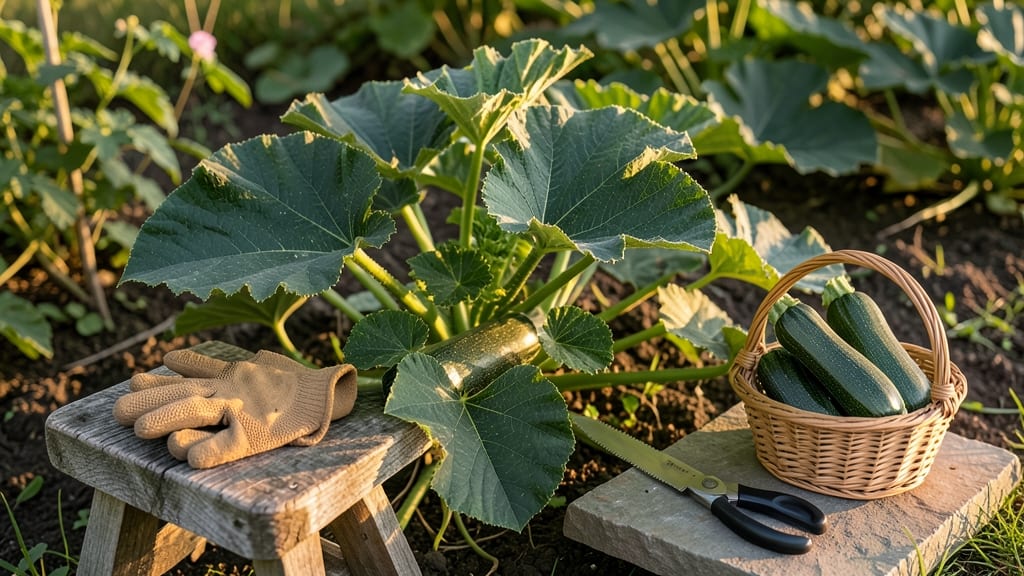
Picking zucchini from your garden at the right time ensures tender, flavorful fruit before they turn tough and seedy 🥒 — and the 3-fingerwidth trick is the secret to nailing it every harvest.
Ever walked out to your garden and found zucchini the size of baseball bats? That’s a classic sign of missed timing, and it happens to even the most eager gardeners.
The key isn’t just size—it’s the perfect balance of firmness, color, and stem cues that tell you exactly when to snip.
Harvesting too early means small, underdeveloped fruit, while waiting too long leads to bitter, woody zucchini packed with seeds. The good news? With the right technique, you can keep your plants producing week after week of perfect-sized squash.
Below, I’ll break down the exact signals to watch for—from skin texture to blossom checks—and share the best time of day to pick for maximum freshness. No more guesswork, just consistent, delicious zucchini straight from your garden to the table.
The 3-Fingerwidth rule: exact zucchini size for perfect harvests
Harvesting zucchini at the right size ensures peak flavor and tender texture. The 3-fingerwidth rule is my go-to method—wrap your thumb, index, and middle finger around the zucchini. When they fit snugly, it’s time to pick! This size (about 6-8 inches long) guarantees minimal seeds and maximum sweetness.
Why does this rule work? Zucchini at this stage have underdeveloped seeds and thin, edible skins. Waiting longer leads to woody flesh and bitter taste, while picking too early means stunted growth.
The fingerwidth method accounts for natural variations in round vs. long varieties, like 'Black Beauty' or 'Eight Ball'.
Here’s how to apply it: Hold the zucchini near the stem end and compare its width to your fingers. For long varieties, aim for 3 fingers along the length. For round types, check the diameter—it should match your 3-finger span when laid flat.
| Zucchini Stage | Fingerwidth Guide | Size Range | Flavor & Texture |
|---|---|---|---|
| Too Early | Fits 1-2 fingers | Under 6 inches | Soft, bland, underdeveloped |
| Perfect Harvest | Fits 3 fingers | 6-8 inches | Tender, sweet, minimal seeds |
| Overripe | Fits 4+ fingers | 9+ inches | Woody, bitter, seedy |
Beyond size, check the stem hardness—press your thumb gently against the skin. If it springs back, it’s ready. Also, look for deep green veins running down the length; pale or yellowing veins signal overripeness. For bush varieties, harvest more frequently (every 2-3 days) to encourage new fruit.
A common misconception is that zucchini must be giant to be good. In reality, oversized zucchini (10+ inches) are often tough and seedy. I’ve salvaged overripe ones by peeling and using them in soups, but they’ll never match the crisp, sweet flavor of properly timed harvests.
Pro tip: Use a serrated knife to cut stems cleanly—this prevents damage to the plant.
For heirloom or hybrid varieties, slight adjustments may be needed. For example, 'Gold Rush' zucchini (a yellow variety) often matures slightly faster—check for 3-fingerwidth when the color deepens to golden yellow. Always harvest in the morning when temperatures are cooler, preserving freshness and firmness.
Why does this method work so well? Zucchini grow exponentially—what seems small yesterday can double in size overnight. By using your fingers as a portable ruler, you avoid the guesswork.
Plus, consistent harvesting boosts plant productivity by preventing overburdened vines. I’ve seen zucchini plants produce 20+ fruits per season when harvested at the right stage!
If you’re new to gardening, start by marking your 3-fingerwidth on a ruler with tape for visual reference. Over time, your eye will adapt to spotting the perfect size. Remember: smaller, more frequent harvests lead to happier plants and better-tasting zucchini. Happy harvesting!
🌱
Signs your zucchini is overripe (and how to fix it)
Even the most attentive gardeners sometimes miss the perfect harvest window for zucchini, leading to overripe fruit that’s tough, seedy, and bitter. When zucchini grows past its prime, it transforms from a tender delicacy into a woody, inedible mess.
The key is recognizing these warning signs early—before your entire crop becomes unusable. I’ve learned the hard way that daily garden checks can save your harvest!
One of the first visual clues your zucchini is overripe is its size and weight. When fruits exceed 8-10 inches long and feel surprisingly heavy for their size, it’s a red flag. Overripe zucchini also develops a thick, leathery skin that resists even gentle pressure.
If you press your thumb into the skin and it doesn’t leave a dent, you’re likely dealing with a past-prime zucchini that’s lost its tenderness.
🌱
⚠️ When to Pick Zucchini BEFORE It’s Overripe
- Size: Harvest when zucchini reaches 6-8 inches (about the width of your 3 fingers when placed side by side).
- Skin: Skin should be smooth and firm—not rough or dull.
- Stem: Tap the stem end lightly; it should sound hollow but not woody.
- Color: Deep, matte green (not shiny or pale).
- Frequency: Check plants every 2-3 days during peak production (June-August).
Pro Tip: If you see yellowing blossoms or new flowers appearing, your plant is struggling to keep up with fruit production—time to harvest!
Beyond size and texture, seed development is another critical indicator. A ripe zucchini contains soft, edible seeds that are easy to scoop out with a spoon. But once overripe, those seeds turn hard and dark, filling the entire cavity.
If you cut into a zucchini and find a dense seed core with little flesh around it, it’s a clear sign of overripeness. This is when the fruit’s bitter, fibrous qualities kick in, making it unappealing to eat raw or cook.
Don’t despair if you’ve ended up with overripe zucchini—there are still ways to salvage them! One of my favorite tricks is peeling the skin and using the flesh in baked goods or soups, where the texture won’t be as noticeable.
You can also grate or spiralize the flesh for stir-fries or fritters, where the slight bitterness blends into the dish. For tougher specimens, try roasting or frying to caramelize the natural sugars and mask any off-flavors.
To prevent future overripeness, adjust your harvesting frequency based on your plant’s productivity. If your zucchini plant is producing 2-3 new fruits per week, check it every 2 days. For slower producers, a 3-day interval should suffice.
Keep a small harvest basket nearby and make it a habit to inspect your plants first thing in the morning—this is when zucchini is coolest and firmest, making it easier to spot overripe specimens.
🌿