
Container Gardens
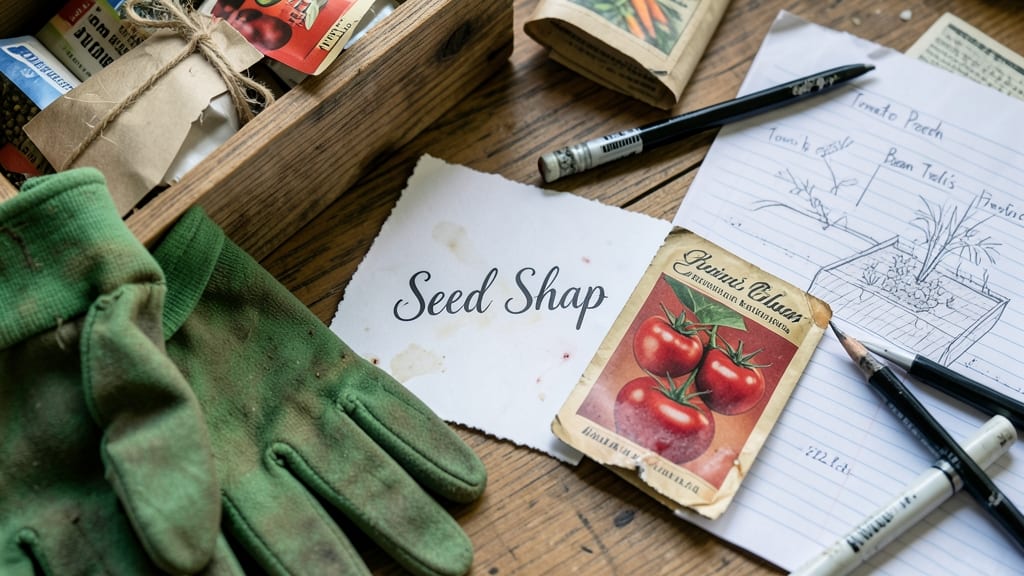
You can trade seeds in Grow a Garden only for non-hybrid, open-pollinated varieties—always review the game’s rules to avoid account restrictions. Verify seed legality to prevent legal issues and invasive species risks.
This restriction exists because Grow a Garden mimics real-world seed laws, where hybrid seeds can’t be saved or traded due to patent protections. 🌱 In real life, open-pollinated seeds (like heirloom tomatoes or beans) are the only ones you can legally share, as they reproduce true to type.
The game’s system helps players understand why some seeds are off-limits—think of it as a digital garden compliance training!
For real-world trading, always check USDA guidelines and your state’s laws, as some regions prohibit certain seeds (like noxious weeds) entirely. I recommend keeping detailed records of where seeds came from and labeling them clearly—this helps prevent accidental violations and builds trust in gardening communities.
Pro tip: Join local seed swaps or online forums where experienced gardeners share verified, legal varieties. These groups often have checklists for safe trading, including planting zones and growing conditions to ensure success for everyone involved.
💡 In This Article
- Grow a Garden’s Seed Trading Rules Explained
- Legal Seed Trading Guidelines for Real-Life Gardens
Grow a garden’s seed trading rules explained
The game Grow a Garden enforces strict seed-trading rules to mirror real-world agricultural regulations. Only open-pollinated, non-hybrid seeds can be traded because these varieties reproduce reliably from their own seeds—think heirloom tomatoes or zucchini. Hybrid seeds (like many commercial varieties) produce inconsistent offspring, which is why they’re restricted.
The game’s system mimics how seed-saving organizations like Seed Savers Exchange operate, where patented or hybrid seeds are off-limits to maintain genetic integrity.
When trading in-game, you’ll notice some crops are completely banned—these typically include patented varieties or those with legal restrictions. For example, certain corn hybrids or flowering plants with protected traits won’t appear in trade menus.
The game also enforces a 5-seed limit per trade to prevent exploitation, similar to how real seed banks manage distributions. Violating these rules can result in temporary bans or lost in-game currency, teaching players about digital garden compliance.
What’s fascinating is how the game’s mechanics reflect real-world seed laws. In reality, the Plant Variety Protection Act (PVPA) in the U.S. prohibits saving or trading hybrid seeds, just like the game does.
This parallel helps players understand why some seeds are restricted—it’s not just about gameplay, but about preserving biodiversity and respecting intellectual property.
For instance, trading a non-GMO, open-pollinated sunflower seed is safe, while attempting to trade a patented hybrid pepper seed would trigger a penalty in both the game and real life.
The game also subtly teaches about pollination risks. Cross-pollination between hybrid and open-pollinated varieties can ruin seed purity, which is why the game separates them in trade menus. This mirrors how real seed libraries maintain strict isolation protocols.
For example, you wouldn’t mix open-pollinated beans with hybrid ones in the same growing space—just like the game prevents accidental cross-contamination through its trading system.
One standout feature is the game’s seed catalog system, where each variety is labeled with its pollination type (open, hybrid, or self-pollinating). This helps players make informed trades, much like how real seed companies provide detailed growing instructions.
For example, a self-pollinating tomato can be safely traded, but a cross-pollinated squash might require additional isolation information. This attention to detail makes the virtual garden feel surprisingly authentic.
Beyond the rules, the game encourages players to think about seed viability. Traded seeds must meet certain quality standards—like being non-dormant and free of disease—before they’re accepted. This mirrors how real seed swaps operate, where participants often inspect seeds for moisture content or germination rates.
For example, a seed with less than 80% viability might be rejected in both the game and a physical seed swap, teaching players about practical gardening realities.
What most players don’t realize is how these rules protect the game’s ecosystem. By limiting trades to open-pollinated seeds, Grow a Garden prevents genetic contamination that could make future crops unplayable. It’s a clever way to teach conservation principles—just like real seed banks work to preserve genetic diversity. 🌱