
Container Gardens
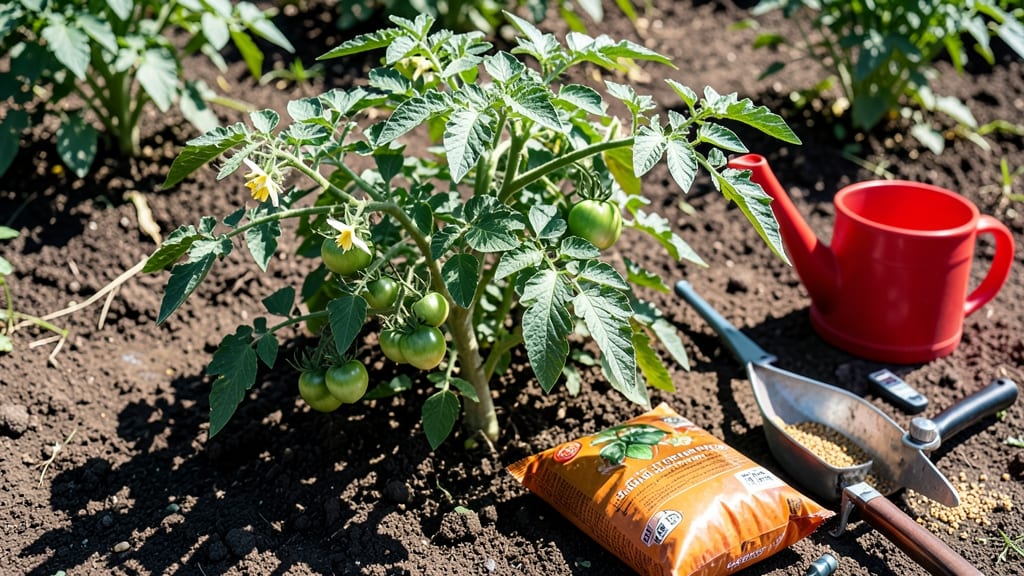
Knowing when to add fertilizer to your garden is crucial: start with soil test results to identify nutrient needs, apply in early spring before planting or after harvest, and avoid fertilizing during dormancy. Adjust based on specific plant requirements, like nitrogen-heavy feeds for leafy greens or phosphorus for flowering plants.
Timing matters just as much as what you feed your plants.
A soil test reveals whether your garden needs a quick nitrogen boost for leafy growth or phosphorus for root development—this directly impacts when you should apply fertilizer. 🌱 For example, vegetables like tomatoes thrive with a mid-season nitrogen top-up, while perennials often benefit from a fall application to build next year's growth.
I always check my garden journal for last year's notes before reaching for the fertilizer bag—it saves time and prevents overdoing it.
Seasonal changes also dictate your fertilizer schedule. Early spring is ideal for pre-planting applications, while late summer or early fall works better for established perennials and lawns. The key is matching your fertilizer type to both the season and the specific needs of what you're growing.
Remember, too much of a good thing can burn roots or leach into groundwater—always follow the label's recommended rates for your soil type.
💡 In This Article
- How Soil Test Results Determine Fertilizer Timing
- Seasonal Fertilizer Schedule for Different Plant Types
How soil test results determine fertilizer timing
Soil tests reveal the hidden story of your garden's health by measuring three critical factors: pH levels, nutrient concentrations (nitrogen, phosphorus, potassium), and organic matter percentage.
For instance, a pH below 6.0 signals acidic soil that may lock out essential nutrients like phosphorus, while a pH above 7.5 can make nitrogen unavailable to plants.
These readings directly influence when you should fertilize—acidic soils often need lime applications first, delaying fertilizer until the pH stabilizes around 6.0-7.0 for most vegetables.
Nutrient deficiencies trigger specific timing adjustments. A soil test showing low nitrogen (<50 ppm) means your plants need a quick-acting fertilizer like ammonium sulfate in early spring, while low phosphorus (<20 ppm) suggests a slow-release bone meal application before planting phosphorus-hungry crops like tomatoes.
The organic matter percentage also matters: soils with less than 3% organic matter benefit from compost applications before fertilizing, as organic matter improves nutrient retention and reduces leaching.
What most gardeners overlook is how these results interact with seasonal growth patterns. For example, a high potassium (>300 ppm) reading in summer means your plants already have plenty, so you should delay potassium-heavy fertilizers until fall when root development ramps up.
I once tested my raised beds and found excess phosphorus (150 ppm)
Timing also depends on how your soil reacts to fertilizers. Sandy soils drain nutrients quickly, requiring more frequent but lighter applications every 4-6 weeks, while clay soils hold nutrients longer and may only need feeding every 8-12 weeks. The texture affects when you should apply: clay soils benefit from pre-wetting the area before granular fertilizers to prevent surface crusting that blocks root access. Consider these key factors when interpreting your test results: Remember that soil tests provide a snapshot—re-test every 2-3 years or after major amendments. The most precise timing comes from combining these results with your specific plants' needs and the current season's growth demands. 🌱