
Advice
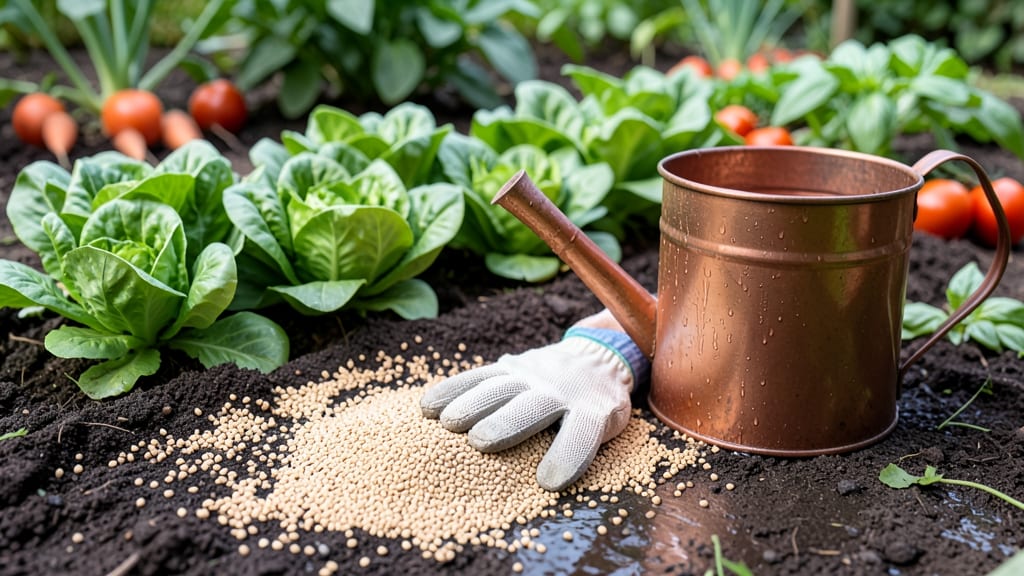
You can put Preen in a vegetable garden for mature plants, but avoid applying it to seedlings or shallow-rooted vegetables like lettuce and carrots. Apply only after plants are established and never let it touch edible leaves or stems.
Preen works by creating a natural barrier that prevents weed seeds from germinating, using corn gluten meal and plant oils as its active ingredients. 🌱 This organic approach is great for established vegetables like tomatoes and peppers, which have stronger root systems.
However, the product can inhibit growth in delicate plants or those with edible foliage, since the oils and gluten meal may interfere with their development.
For sensitive crops, consider spot-treating weeds with vinegar or mulching instead. Always read the label carefully—some Preen formulations are safer than others for edible gardens. I recommend applying it in late spring after your plants have had time to root firmly in the soil.
💡 In This Article
- How Preen Works and Its Impact on Vegetable Growth
- Safe Preen Application Methods for Vegetable Gardens
How Preen works and its impact on vegetable growth
Preen primarily contains corn gluten meal (60-70%) and plant-based oils that work together to suppress weeds through two mechanisms: seed germination inhibition and surface coverage. The corn gluten breaks down into amino acids that interfere with weed seedling growth by disrupting their metabolic processes.
Meanwhile, the plant oils create a physical barrier that blocks sunlight from reaching weed seeds, preventing them from sprouting. This dual-action approach makes it effective for established vegetables with deep root systems, which can tolerate these natural compounds without harm.
The key risk lies in how Preen's active ingredients interact with plant tissues. Corn gluten meal contains 10-15% protein, which can act as a mild fertilizer when applied properly, but excessive amounts near plant roots may stimulate unwanted growth or attract pests.
The plant oils, while non-toxic, can create a hydrophobic layer that may reduce water absorption in delicate plants. This is why shallow-rooted vegetables like lettuce or radishes show stunted growth when exposed—their root zones become restricted by the Preen's film-like residue. 🌱
For mature vegetables, Preen's benefits often outweigh the risks because their established root systems can penetrate the treated layer. Tomatoes, for example, develop roots that extend 12-18 inches deep, allowing them to access moisture below the Preen barrier.
The product's 3-4 month weed suppression period gives these crops ample time to mature without competition. However, the oils can cling to leaf surfaces, potentially blocking stomata (plant pores) and reducing photosynthesis in edible foliage crops like spinach or kale.
Timing is everything with Preen. When applied 4-6 weeks after transplanting, most vegetables have developed sufficient root mass to bypass the surface treatment. The product's granular form allows for precise application—simply spread 20-30 lbs per 1,000 sq ft and lightly water it in.
This creates a protective zone where weeds struggle to establish, while your vegetables continue growing unimpeded. The critical factor is maintaining a 2-inch distance from plant stems to prevent direct contact with the granules.
What most gardeners don't realize is how Preen's effectiveness varies with soil temperature. The corn gluten's weed-suppressing properties activate best when soil temperatures exceed 55°F. Below this threshold, the granules may not provide full weed control, making early spring applications less reliable.
This is why I recommend waiting until late spring when both your vegetables and the Preen can work optimally together. The product's organic nature means it breaks down completely within 3-6 months, leaving no harmful residues.
Consider this comparison: Preen is like applying a natural weed-blocking mulch that also happens to feed your soil slightly. For a 5x10 ft garden bed, you'd use about 1 lb of Preen, which costs roughly $10-$15 per application.
This makes it a cost-effective alternative to synthetic herbicides, especially when you factor in the reduced need for manual weeding. The trade-off is the careful application required around sensitive plants—think of it as giving your vegetables a protective shield while keeping weeds at bay.
For the most precise application, use a spreader set to deliver 1/4 lb per 10 sq ft. Work the granules into the top 1/4 inch of soil with a rake, being especially careful around plants with edible leaves.
The slight yellowish tint you'll see on the soil surface is normal and indicates the plant oils are doing their job—just avoid letting it accumulate near your crops' growing points. 🌿