
Tools
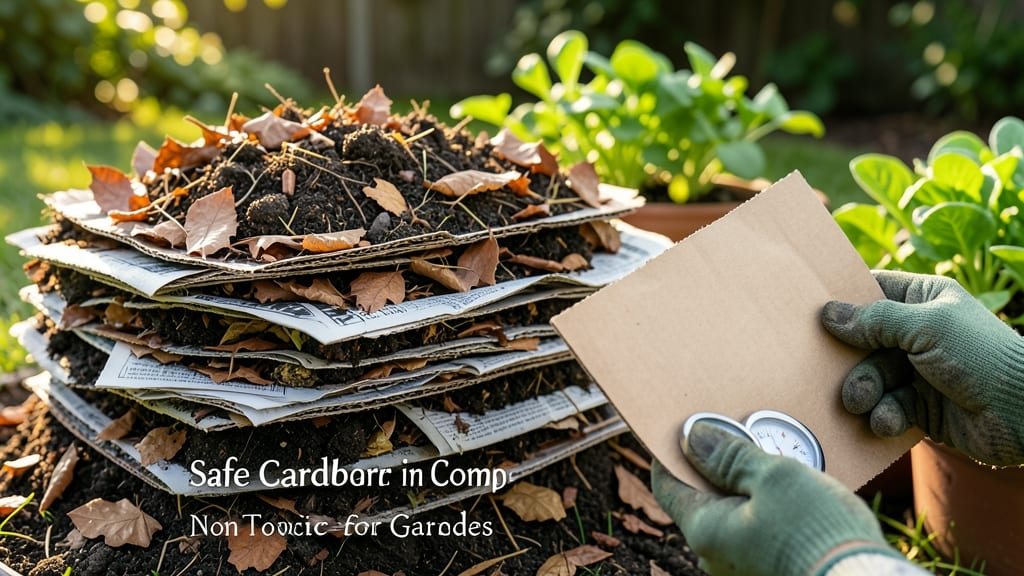
Cardboard is not toxic in the garden when used properly as mulch or weed barrier, but improper application can harm plants by blocking airflow or trapping moisture. Untreated cardboard decomposes safely but may contain ink or adhesives that require proper burial or removal before planting.
Cardboard breaks down naturally in soil thanks to cellulose-rich composition, but its safety depends entirely on proper preparation. 🌱 The key is removing any tape, plastic coatings, or glossy inks that might contain harmful chemicals—these can linger for months and disrupt soil microbes.
I've found that plain brown cardboard (like from shipping boxes) works best when buried at least 2 inches deep or layered under compost. The decomposition process actually improves soil structure over time, creating a nutrient-rich environment for roots.
What many gardeners don't realize is how cardboard's weed-blocking properties work. When properly layered (with soil on top), it smothers weeds by blocking sunlight while still allowing water penetration. The decomposition releases organic matter that feeds soil life, making it a dual-purpose solution.
Just avoid using it in areas where you'll plant immediately—wait at least 2-3 weeks for full breakdown and moisture balance.
💡 In This Article
- How Cardboard Decomposes in Soil and Its Environmental Impact
- Safe Cardboard Mulching Techniques for Gardens
How cardboard decomposes in soil and its environmental impact
Cardboard decomposes primarily through microbial action, where cellulose (its main component) breaks down into simpler organic compounds. Soil microbes like bacteria and fungi digest the cellulose fibers at a rate of about 1-3 months for thin layers, though thicker pieces may take 6-12 months to fully decompose.
The process releases carbon dioxide and water while improving soil structure by creating air pockets that enhance root growth. This is why gardeners often see better drainage and aeration after using cardboard as mulch.
The decomposition process can temporarily deplete nitrogen in the soil, a phenomenon called "nitrogen immobilization." This happens because microbes consume available nitrogen to break down the cardboard. To counteract this, many gardeners top cardboard with a 2-3 inch layer of compost or use nitrogen-rich materials like coffee grounds.
The good news is that once decomposition completes, the cardboard enriches the soil with organic matter, similar to how straw or grass clippings eventually improve soil health.
Ink and adhesives pose the biggest risks to soil health. Most commercial cardboard contains soy-based inks that are biodegradable, but some glossy coatings and tape contain plastic or chemical adhesives that may take years to break down.
These additives can disrupt beneficial soil microbes and may leach into groundwater if buried too shallowly. 🌱 For this reason, I always recommend removing all tape, stickers, and plastic coatings before using cardboard in gardens or compost piles.
When comparing cardboard to other mulch materials, it stands out for its weed-suppressing properties. Unlike straw or wood chips, cardboard blocks sunlight completely while still allowing water penetration through its fibrous structure. Newspaper works similarly but often contains more ink and dyes that may not break down as cleanly.
The key advantage of cardboard is its ability to create a "blank canvas" for planting—once decomposed, it leaves behind nutrient-rich soil without the potential contaminants found in some other organic mulches.
For vegetable gardens, the decomposition process creates an ideal environment for root crops like carrots and potatoes. The improved soil structure prevents compaction while the gradual release of organic matter provides slow, steady nutrition.
In contrast, flower gardens benefit from the weed suppression that allows young plants to establish without competition. The only exception is when planting seeds directly into cardboard—always remove it first to prevent seedling roots from growing into the material instead of the soil.
What most gardeners don't realize is how cardboard's decomposition affects soil temperature. During hot summer months, it acts as an insulator, keeping soil cooler and preserving moisture. In winter, it provides a protective barrier against frost heave.
This dual functionality makes it particularly valuable in regions with extreme seasonal temperature swings, where maintaining consistent soil conditions is challenging.