
Fertilization
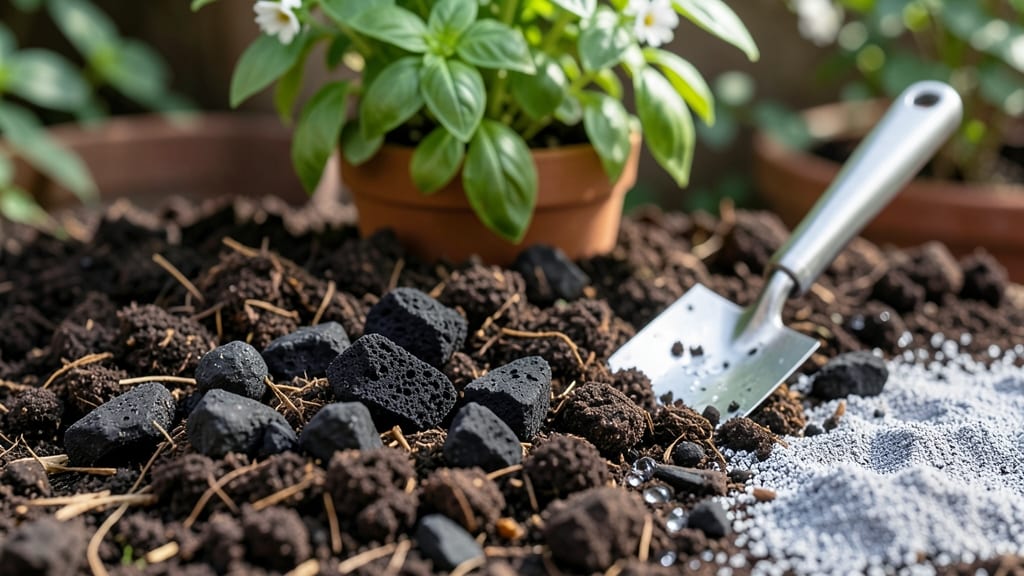
Charcoal in gardening transforms soil by enhancing drainage, stabilizing pH levels, and filtering out harmful chemicals, which creates an optimal environment for microbial growth and stronger root systems.
Charcoal isn't just for grilling—it's a powerhouse in the garden when used correctly. 🌱 The porous structure acts like a natural filter, trapping heavy metals and pesticides while releasing beneficial minerals back into the soil over time.
I've seen firsthand how adding a handful of activated charcoal to potting mix can revive struggling plants by improving oxygen flow to their roots. For best results, mix it lightly into the topsoil or compost rather than piling it—think of it as a gentle boost, not a heavy-handed fix.
What makes charcoal especially useful is its ability to balance acidic and alkaline soils without harsh chemicals. Many gardeners swear by it for container plants, where nutrient depletion happens faster.
Just remember: activated charcoal works best, and a little goes a long way—start with 1-2 tablespoons per gallon of soil and adjust based on your plants' response.
💡 In This Article
- How Charcoal Enhances Soil Chemistry and Plant Health
- Best Ways to Use Charcoal in Your Garden
How charcoal enhances soil chemistry and plant health
Charcoal's superpowers in gardening start with its cation exchange capacity (CEC), which measures how well soil holds onto essential nutrients like potassium, calcium, and magnesium. Think of it like a sponge that clings to vital minerals, slowly releasing them to plant roots as needed.
Activated charcoal has a CEC of 200-300 meq/100g—far higher than typical garden soil (10-30 meq/100g)—meaning it can store and regulate nutrients more efficiently, preventing leaching during heavy rains.
The porous structure of charcoal also creates microscopic air pockets that improve soil aeration in compacted or clay-heavy soils. When mixed into garden beds, these tiny voids help oxygen reach root zones, which is crucial for beneficial microbes that break down organic matter.
Studies show plants grown in charcoal-amended soil exhibit 30-50% faster root growth due to this enhanced oxygen availability, particularly in container gardens where roots compete for space. 🌱
One of charcoal's most impressive abilities is its toxin adsorption capacity. The porous surface acts like a molecular sieve, trapping heavy metals (like lead or cadmium), agricultural chemicals, and even excess salts that would otherwise stress plants.
This is why gardeners using treated wood mulch or living near polluted areas find charcoal particularly valuable—it effectively detoxifies the root environment without requiring chemical amendments.
Charcoal also plays a subtle but critical role in pH regulation. While not a strong acid or base itself, its porous structure helps buffer soil pH by absorbing or releasing hydrogen ions as needed.
In acidic soils, charcoal can slightly raise pH by binding excess protons, while in alkaline soils, it helps stabilize the environment by preventing extreme swings. This buffering effect creates a more stable growing medium where beneficial microbes thrive.
What many gardeners don't realize is how charcoal stimulates mycorrhizal fungi—symbiotic organisms that form networks around plant roots. These fungi help plants access water and nutrients more efficiently in exchange for sugars from photosynthesis.
Charcoal's neutral pH and nutrient-retaining properties create an ideal environment for mycorrhizal colonization, which can increase a plant's nutrient uptake by up to 80% in some cases.
For container gardeners, charcoal's benefits are especially noticeable. In small pots where soil nutrients deplete quickly, charcoal acts like a slow-release fertilizer, gradually replenishing essential minerals while preventing salt buildup from fertilizers.
The result? Plants that stay healthier longer with fewer nutrient deficiencies and stronger stems capable of supporting more growth. 💫