
Planting
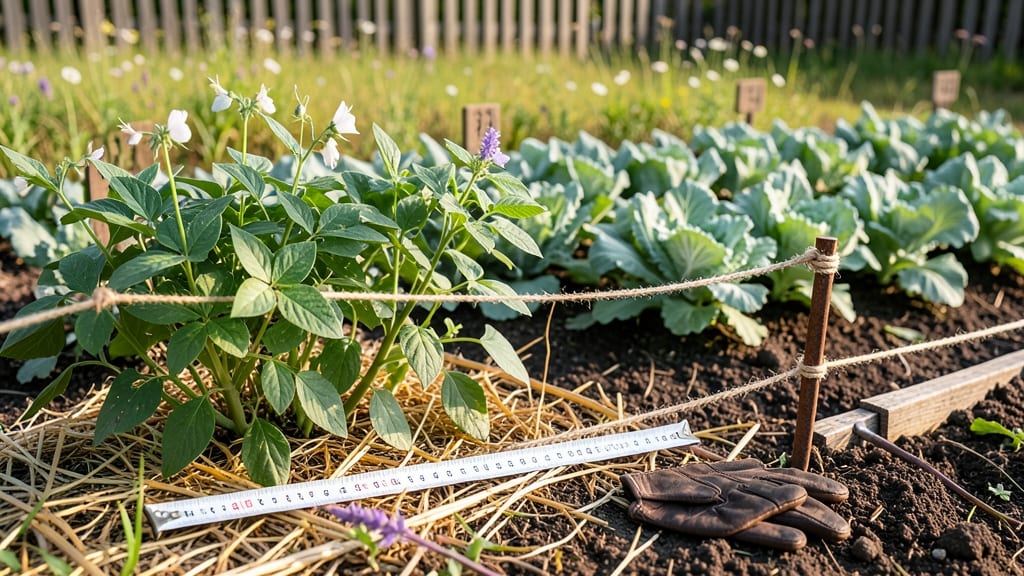
Proper garden row spacing—typically 12 to 36 inches apart—ensures optimal airflow, sunlight exposure, and root development for most vegetables, while smaller plants like lettuce need just 6 to 12 inches. Adjust spacing based on plant maturity and variety to maximize yield and minimize disease risk.
Getting the right distance between rows isn't just about fitting more plants—it's about creating an ecosystem where each plant thrives. 🌱 Too little space leads to competition for nutrients, while too much wastes garden real estate.
I've seen firsthand how 18-inch spacing for tomatoes prevents blight by improving airflow, while 6-inch spacing for radishes ensures quick, even growth without overcrowding. The key is matching the plant's mature size to its needs, whether you're growing bush beans or sprawling zucchini.
For container gardens or small spaces, vertical growth is your best friend. Trellising cucumbers or pole beans at 12-inch row spacing saves space while improving fruit quality. Even herbs like basil benefit from slightly wider rows—12 inches instead of 6—to prevent fungal issues.
Remember, the right spacing isn't just about today's growth; it's about setting up your plants for their full potential.
💡 In This Article
- How Row Spacing Affects Plant Health and Yield
- Exact Spacing Guidelines for Common Vegetables
How row spacing affects plant health and yield
Row spacing isn't just about fitting more plants—it's about creating an optimal environment for each plant to access critical resources. When plants are spaced too closely, they compete aggressively for sunlight, water, and nutrients in the soil.
This competition triggers a physiological response where plants grow taller and spindlier in search of light, a process called etiolation.
You'll notice leaves become thin and pale, and stems grow weak—perfect conditions for fungal diseases like powdery mildew to take hold. 🌱 Proper spacing ensures every plant gets its fair share of direct sunlight, which is essential for photosynthesis.
For example, tomatoes need at least 18 inches between rows to develop strong stems and vibrant fruit.
The science of root development plays a huge role too. Plants with adequate spacing develop deeper, more extensive root systems because they aren't fighting for the same nutrients in a confined space. Consider carrots: when planted too closely, they grow stunted and forked because their roots can't expand freely.
The ideal 12-inch row spacing allows each carrot to develop a straight, pencil-thin shape with a full flavor. Even the soil's microbial activity benefits from proper spacing—roots release different compounds that feed beneficial bacteria and fungi, creating a healthier soil ecosystem.
Air circulation is another critical factor that directly impacts disease resistance. Stagnant air between crowded plants creates a humid microclimate where fungal spores thrive. I've seen tomato blight spread rapidly in gardens where rows were only 12 inches apart, while the same variety thrived with 24-inch spacing.
The increased airflow helps water dry quickly after irrigation, reducing the window for pathogens to establish. This is why many organic gardeners recommend wider spacing as a natural disease prevention strategy—it's like giving your plants their own personal breeze.
There's also a practical yield consideration. Overcrowding forces plants to allocate energy toward survival rather than reproduction. For instance, zucchini plants left to sprawl without proper spacing will produce fewer, smaller fruits because they're constantly competing.
The sweet spot for zucchini is 36-inch row spacing, which gives vines room to grow while ensuring each plant gets enough sunlight to produce abundant, high-quality fruit. The same principle applies to herbs—basil planted at 12-inch intervals produces more leaves than when crowded at 6 inches.
Don't forget about harvest efficiency. Proper spacing makes it easier to access plants without damaging neighboring crops. In my experience, 18-inch spacing for bush beans allows for easy picking while maximizing row density.
The trade-off is real: while you might fit more plants in a small space, you'll sacrifice both quality and ease of maintenance. It's a balance between quantity and quality that every gardener must consider based on their specific growing conditions and goals.
For container gardens or raised beds, the principles remain the same but the numbers change. Vertical growth becomes your ally—trellising cucumbers at 12-inch row spacing can produce the same yield as 36-inch spacing in ground beds.
The key is understanding each plant's mature size and growth habit. Dwarf varieties need less space than their full-size counterparts, while sprawling plants require more room to prevent disease and maximize production.