
Featured
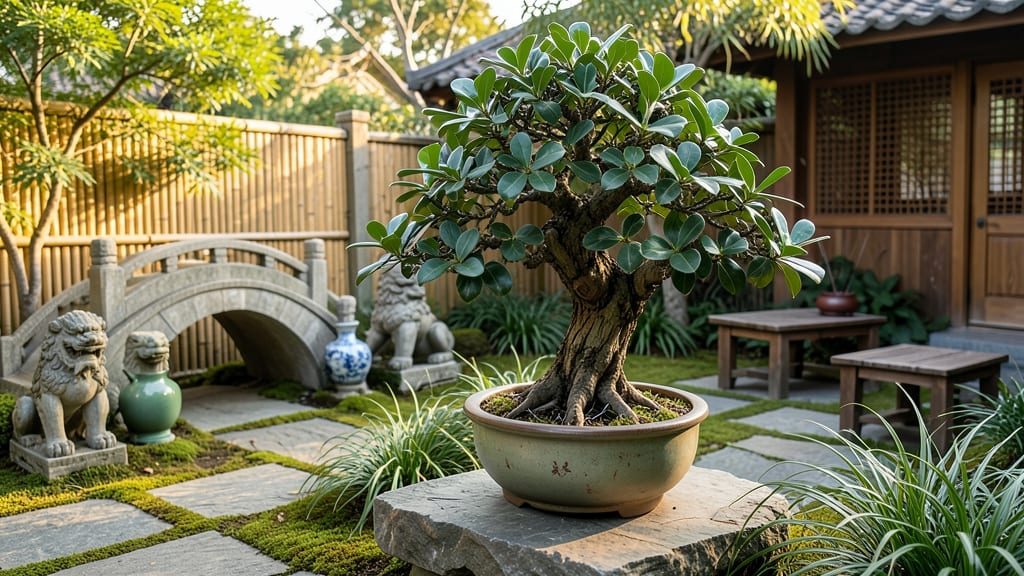
The Chinese Scholar Garden in Staten Island, NY, is a serene 2-acre retreat blending classical Chinese landscape design with native plants, featuring koi ponds, stone bridges, and tranquil pavilions for meditation and cultural immersion.
The Chinese Scholar Garden in Staten Island, NY, is a masterpiece of traditional Chinese garden design, offering a peaceful escape from urban life. 🌿 This carefully curated space integrates natural elements like flowing water, carefully placed rocks, and lush foliage to create a balanced environment that aligns with ancient principles of harmony and tranquility.
Whether you're drawn to its cultural significance or simply seeking a quiet place to reflect, this garden provides a unique blend of beauty and serenity.
What makes this garden particularly special is its thoughtful integration of both Eastern and Western influences. The koi ponds and stone bridges aren't just decorative—they serve practical purposes in traditional Chinese design, symbolizing prosperity and balance.
The pavilions offer perfect spots for visitors to pause and appreciate the surroundings, making it an ideal location for both meditation and casual exploration.
For those planning a visit, timing is everything. The garden's beauty evolves with the seasons, with each visit offering something new. Spring brings vibrant blooms, while autumn showcases stunning foliage. The garden's layout also makes it incredibly accessible, with well-maintained paths that welcome visitors of all ages and mobility levels.
💡 In This Article
- How Chinese Scholar Garden’s Design Reflects Ancient Landscape Principles
- Best Times and Tips for Visiting Staten Island’s Chinese Scholar Garden
How Chinese scholar garden’s design reflects ancient landscape principles
The garden’s layout follows the core principle of yin-yang harmony, where every element—water, rock, plant, and structure—is positioned to balance opposing forces. The central koi pond, for instance, represents yin (passive, receptive energy) while the surrounding stone pathways embody yang (active, dynamic energy).
This duality isn’t just symbolic; it’s functional. The pond’s gentle ripples create soundscapes that mask urban noise, while the curved stone bridges encourage slow movement, slowing visitors’ qi (life force) to align with the garden’s tranquil rhythm. 🌊
Water plays a pivotal role in traditional Chinese gardens, and here it’s used to guide visitors through a journey. The pond’s meandering shape mimics natural rivers, while its stillness reflects the sky—a concept called borrowed scenery (shan shui).
Nearby, the strategically placed rocks (often imported from China) aren’t decorative but serve as focal points to anchor qi in specific areas. Their rough textures contrast with smooth water surfaces, creating visual and tactile balance.
Even the pavilions are positioned to frame views of the pond, reinforcing the idea that architecture should enhance nature, not dominate it.
Curved paths are another hallmark of classical design, designed to prevent linear, rushed movement. Unlike straight Western walkways, these winding trails encourage contemplation and connection with each season.
In spring, visitors might notice how the garden’s layout directs them toward cherry blossoms along the eastern path, while autumn’s fiery maples draw attention to the western pavilion. This intentional flow isn’t arbitrary—it’s rooted in feng shui principles, where energy (qi) should circulate freely to promote well-being.
The result? A space that feels alive, not static. 🌿
What’s often overlooked is how the garden uses native plants to bridge Eastern and Western aesthetics. While traditional Chinese gardens might feature bamboo or wisteria, this Staten Island version incorporates local species like serviceberry and black gum trees.
Their seasonal changes—from delicate spring blooms to fiery autumn foliage—mirror the garden’s adaptability. This fusion of cultures is subtle but intentional, proving that harmony isn’t about uniformity but integration. The pavilions, for example, blend Chinese latticework with American craftsmanship, creating a visual dialogue between traditions.
Even the garden’s scale reflects ancient principles. The 2-acre size is modest enough to feel intimate yet expansive enough to evoke the vastness of Chinese imperial gardens.
The pavilions, typically used for tea ceremonies or meditation, are placed at key intersections where visitors naturally pause—demonstrating how design can nudge behavior toward mindfulness. This isn’t just a garden; it’s a living textbook of landscape philosophy, where every detail has purpose.
The rocks, the water, even the placement of benches—all are tools to cultivate peace. ✨
For visitors, this means the garden isn’t just a backdrop but an active participant in their experience. The moment you step onto a curved path, the garden begins to work with you, not against you.
Whether you’re aware of it or not, the principles of yin-yang, qi flow, and seasonal harmony are at play, creating a space that feels both timeless and uniquely Staten Island. The magic lies in how these ancient ideas translate into a modern, accessible retreat. 🌟