
Planting
Cincinnati's gardening zone is USDA Zone 6a, with last spring frost typically around April 15 and first fall frost near October 15. This means cool-season crops like lettuce should be planted in early spring or late summer, while warm-season plants like tomatoes need to wait until after mid-May.
Understanding Cincinnati's USDA Zone 6a helps you time your planting perfectly. The city's frost dates can shift by 1-2 weeks yearly, so I always check the National Weather Service for updates before planting frost-sensitive crops.
Microclimates—like urban heat islands or shaded areas—can also create 2-3°F temperature differences, affecting when you should plant. For example, north-facing gardens might need to wait an extra week for warm-season crops compared to south-facing beds. 🌱
One key advantage of Zone 6a is its long growing season—about 180 days—which lets you grow both cool and warm-season crops successfully. Just remember: the 10-day rule applies here. If your area hasn't had a frost for 10 days, it's generally safe to plant warm-season crops.
For cool-season crops, I recommend starting seeds indoors 6-8 weeks before the last expected frost date to maximize your harvest.
💡 In This Article
- Cincinnati’s USDA Zone 6a Climate Breakdown
- Monthly Planting Calendar for Cincinnati Gardens
Cincinnati’s USDA Zone 6a climate breakdown
Cincinnati's classification as USDA Zone 6a means the city experiences average minimum winter temperatures between -10°F and -5°F. However, the real magic happens in the transition seasons when frost dates create the window for successful gardening.
The 15-year average for last spring frost is April 15, but this can swing by 2 weeks earlier or later depending on weather patterns like El Niño or La Niña, which can push frost dates by 7-10 days in either direction. 🌡️
The fall frost date near October 15 creates a 180-day growing season—long enough for two full harvest cycles when you time things right.
This is why Cincinnati gardeners can successfully grow both cool-season crops (like spinach and kale) in early spring and late summer, and warm-season crops (like peppers and eggplants) in between.
The key mechanism here is vernalization—the process where cool temperatures trigger seed germination in many plants, while warm days accelerate growth once they're established.
Microclimates add another layer of complexity to Cincinnati's gardening puzzle. Urban areas like downtown experience urban heat islands that can be 2-5°F warmer than rural areas, creating 1-2 week differences in frost dates.
For example, a garden on the north side of a building might see frost 5-7 days later in spring than an open south-facing bed.
This is why I always recommend testing your own microclimate by planting frost-sensitive lettuce in early April—if it survives, you're likely safe to plant other tender crops.
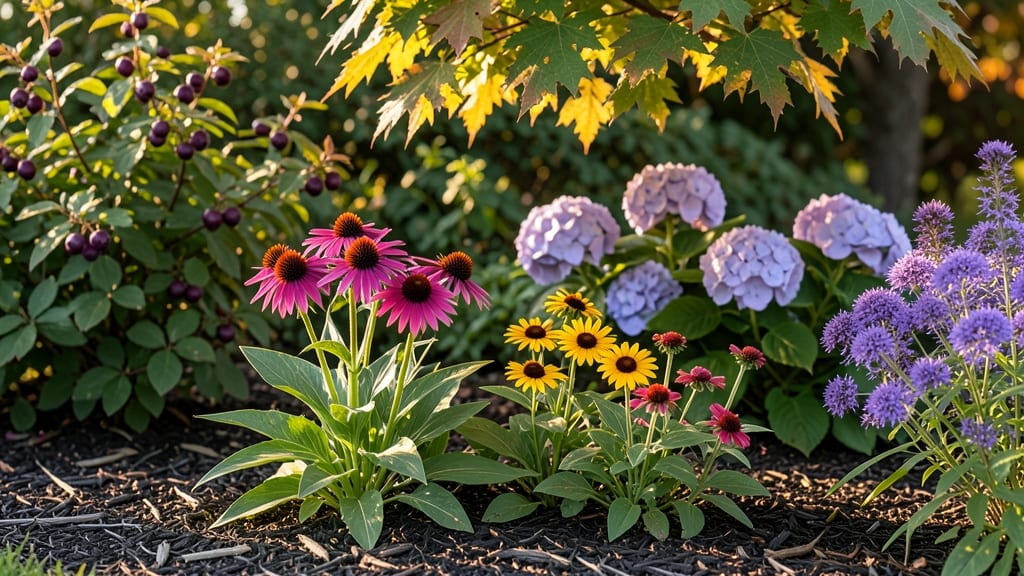
Temperature extremes also play a role in Cincinnati's gardening challenges. The city's average January low sits around 22°F, but sudden cold snaps can drop below 0°F, which is why hardy perennials like coneflowers and black-eyed Susans thrive here—they've evolved to survive these fluctuations.
For annual vegetables, this means row covers become your best friend during late spring or early fall plantings when unexpected frosts can occur.
Using USDA zone maps accurately requires understanding their limitations. While Zone 6a gives you a baseline, actual frost dates are what matter most for planting. The National Weather Service provides 30-day outlooks that can help you adjust your timeline.
For instance, if their forecast shows a 50% chance of frost after May 15, it's safer to wait another week before planting tomatoes. This data-driven approach helps explain why some gardeners in Zone 6a can plant earlier than others—it's all about reading the local weather patterns.
One often-overlooked factor is soil temperature, which should be at least 60°F before planting warm-season crops. In Cincinnati, this typically occurs around mid-May, but you can use a soil thermometer to verify.
Cool soil slows seed germination and can stunt young plants, which is why I always recommend pre-warming garden beds with black plastic mulch a few weeks before planting time. This simple technique can shave 1-2 weeks off your growing season.