
Planting
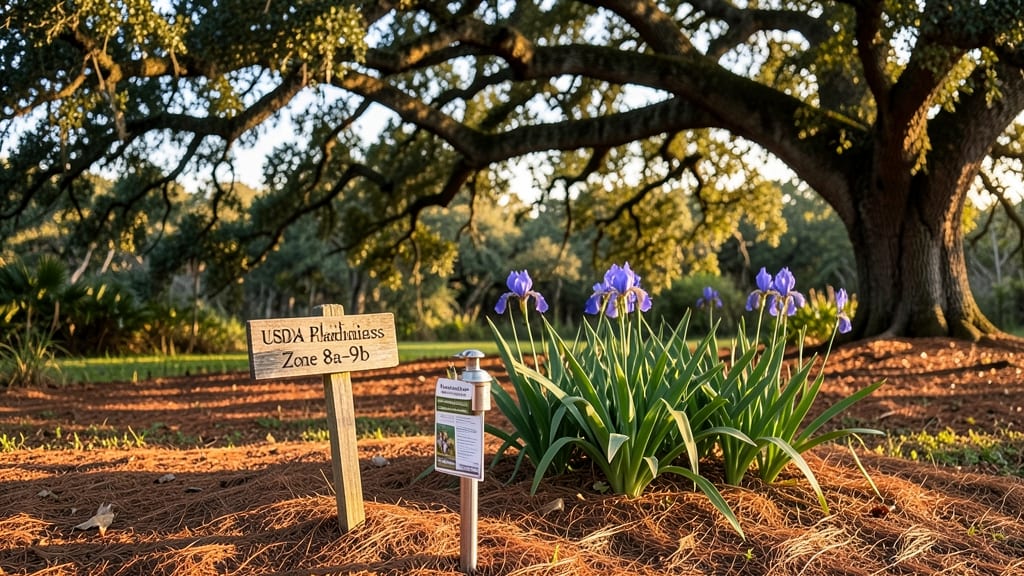
Louisiana gardening zones range from 8a to 9b, with frost-free periods that vary dramatically across the state. Northern areas typically see their last frost around mid-March, while southern regions can start planting as early as late February. Warm-season crops like peppers and okra thrive when planted after the last frost, while cool-season greens like lettuce and broccoli should go in during fall and winter.
Understanding Louisiana's gardening zones helps you time plantings perfectly.
The state's 8a-9b classification means northern parishes like Shreveport experience shorter growing seasons, while New Orleans' 9b zone enjoys longer warm periods. 🌱 I've found that microclimates near large bodies of water or urban heat islands can shift frost dates by up to two weeks—always check local records!
For example, while central Louisiana's last frost is typically mid-March, coastal areas often reach frost-free conditions by February, giving gardeners an earlier start on tomatoes and squash.
Pro tip: Use the USDA Plant Hardiness Zone Map but verify with your local extension office—some areas have unique patterns. For instance, Baton Rouge's 9a zone lets gardeners plant sweet potatoes in March, while Monroe's 8a growers must wait until April.
The key is matching your crop's heat requirements with your zone's frost dates!
💡 In This Article
- Louisiana’s Frost-Free Zones and Their Impact on Planting
- Best Planting Calendar for Louisiana Vegetables and Flowers
Louisiana’s frost-free zones and their impact on planting
Louisiana's gardening zones—ranging from 8a in the northern hill country to 9b along the Gulf Coast—create dramatic differences in frost timing. The USDA zone classification reflects average minimum temperatures, but what really matters for gardeners are the last spring frost and first fall frost dates.
In 8a zones like Natchitoches, the last frost typically occurs around March 15, while 9b areas like New Orleans often reach frost-free conditions by February 15. This two-week difference can mean the difference between successful tomato harvests and failed plantings.
The reason these dates vary so much comes down to Louisiana's geography. Northern regions experience colder air masses from Canada that linger longer, while southern areas benefit from the Gulf of Mexico's warming influence. Even within zones, microclimates play a huge role.
Urban areas like Baton Rouge (9a) can be 5-7°F warmer than rural areas just 20 miles away due to the "urban heat island" effect. This means gardeners in city neighborhoods might plant warm-season crops like peppers 10-14 days earlier than their rural counterparts.
Understanding these patterns helps with crop selection too. In 8a zones, gardeners should focus on heat-tolerant varieties like 'Celebrity' tomatoes that mature in 60-70 days—giving them time to produce before fall frosts arrive.
Meanwhile, 9b gardeners can experiment with longer-season crops like 'Cherokee Purple' tomatoes (which need 80+ days) because their growing season extends nearly year-round. The key is matching your zone's frost dates with each crop's specific heat requirements.
Here's what most gardeners miss: The first fall frost dates are just as critical as spring ones. In 8a areas, this typically occurs around November 15, while 9b zones might see their first frost as late as December 15.
This means cool-season crops like broccoli and kale should be planted in September in northern Louisiana, but can often wait until October in southern regions.
The difference in timing affects not just planting but also soil preparation—northern gardeners need to get their beds ready 4-6 weeks earlier than their southern counterparts.
For practical application, consider these regional guidelines:
- Northern Louisiana (8a): Start warm-season crops after April 1 and harvest before November 1
- Central Louisiana (8b-9a): Begin planting March 15-April 1 with harvests extending to November 15
- Southern Louisiana (9b): Can plant warm crops as early as February 15 with harvests possible until December 1
One final tip: Always check your local Cooperative Extension Service records—they track actual frost dates, not just averages. For example, while the norm for Shreveport (8a) might be March 15, some years see late frosts in April, while others have early frosts in February.
This variability is why experienced Louisiana gardeners plant frost-sensitive crops like eggplants two weeks after the average last frost date as a safety margin. 🌿