
Planting
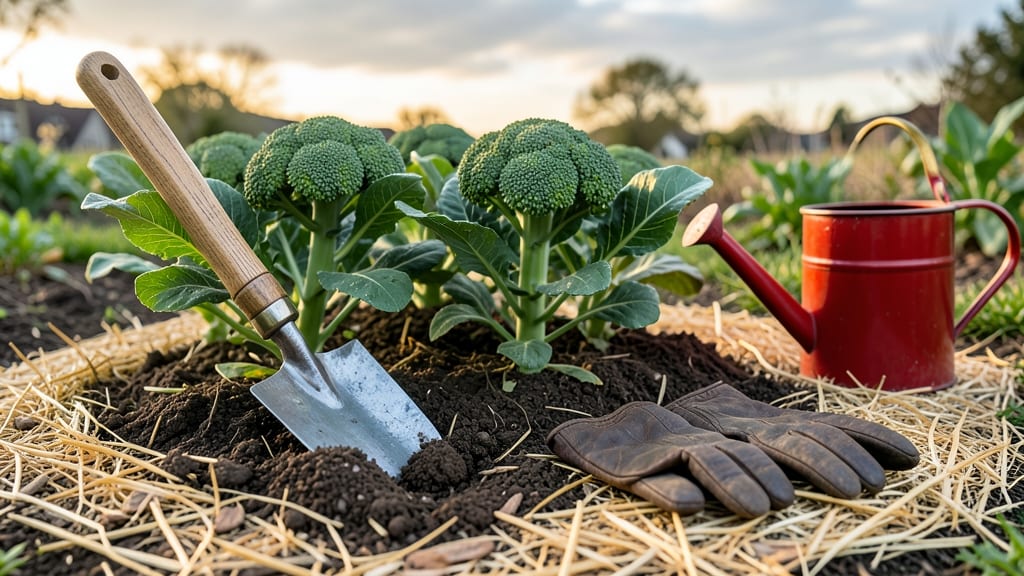
To plant a fall garden in Zone 7, start 4 to 6 weeks before your first frost—typically mid-August to early September for most of the region.
Missed your spring planting window? Don’t worry—Zone 7’s fall garden season offers a second chance for bountiful harvests, but timing is everything. Plant too early, and your crops bolt; too late, and frost cuts them short.
This guide breaks down the exact dates for cool-season crops like kale, carrots, and spinach, plus how to adjust for your local microclimate. Whether you’re a beginner or a seasoned gardener, these tips will help you avoid common mistakes and maximize your harvest.
Inside, you’ll find a fast-track planting schedule, soil prep steps, and a checklist to ensure your fall garden thrives—even if you’re working with limited time before winter sets in.

Critical fall planting dates in Zone 7 by crop type
Zone 7 gardeners have a golden window for fall planting that extends harvests well into winter. Unlike spring, fall offers cooler temperatures and longer daylight—perfect for cool-season crops. The key is planting at the right time to avoid premature bolting or frost damage.
For most Zone 7 areas, the first frost typically arrives around October 15, but urban areas may see frost earlier.
Your planting schedule should align with crop maturity and frost dates. Cool-season crops like kale and spinach need 60-80 days to mature, while root crops like carrots and beets take 50-70 days.
Warm-season holdovers like tomatoes and peppers need extra warmth, so plant them as early as July for a fall harvest.
| Crop Type | Planting Window | Days to Maturity | Notes |
|---|---|---|---|
| Leafy Greens (Spinach, Lettuce, Kale) | Mid-August to Early September | 30-60 days | Succession plant every 2 weeks for continuous harvest |
| Root Crops (Carrots, Beets, Radishes) | Late July to Mid-August | 50-70 days | Loosen soil to prevent forking; harvest before hard frost |
| Brassicas (Broccoli, Cabbage, Brussels Sprouts) | Early to Mid-August | 60-90 days | Start seeds indoors 4-6 weeks before transplanting |
| Warm-Season Holdovers (Tomatoes, Peppers, Eggplant) | Late July (transplant seedlings) | 60-120 days | Use black plastic mulch to extend growing season |
| Herbs (Cilantro, Parsley, Dill) | Late August to Early September | 30-50 days | Harvest leaves before frost for best flavor |
For cool-season crops, aim to plant 6-8 weeks before your average first frost date. In Zone 7, this means late July to early September for most varieties. For example, spinach and lettuce thrive when sown in mid-August, giving them enough time to mature before cold snaps.
Use row covers to protect tender greens if frost threatens early.
Warm-season crops like tomatoes and peppers need special attention. Plant transplants in late July to give them 80-120 days of warmth. Extend their season with row covers or a low tunnel to shield them from light frosts.
If your area gets hard frosts earlier, opt for faster-maturing varieties like 'Early Girl' tomatoes or 'Jalapeño M' peppers.
Don’t forget succession planting for continuous harvests. Sow radishes every 2 weeks from August through September—they mature in just 30 days! Similarly, lettuce and spinach can be planted in 3-week intervals to ensure a steady supply. This strategy maximizes your garden space and harvest efficiency.
Soil temperature plays a critical role in seed germination. Most cool-season crops germinate best in soil that’s 50-70°F. Use a soil thermometer to check temperatures before planting.
If your soil is too warm in late summer, wait until early September when temperatures drop. For warm-season holdovers, soil should stay above 60°F for optimal growth.
Mulching is another game-changer for fall gardens. Apply 2-3 inches of straw or leaves around plants to retain moisture and insulate roots from temperature swings. This is especially helpful for root crops like carrots and beets, which can split if soil freezes and thaws repeatedly.
Mulch also suppresses weeds, reducing competition for nutrients.
Watch your local weather forecasts closely in late September. If a hard frost is predicted, rush to harvest leafy greens and herbs before they turn bitter. For root crops, pull them from the ground and store in a cool, dark place for 1-2 weeks of continued freshness.
With the right timing, your fall garden can provide fresh produce well into December!
Pro tip: Mark your planting dates on a calendar and adjust based on your last frost date. If you’re in a warmer microclimate (like near a lake), you may have
How to adjust planting dates based on your last frost date
Your last frost date is the foundation for fall planting success in Zone 7. While the USDA average for Zone 7 is October 15, your local microclimate can shift this by 1-3 weeks.
Urban areas often experience frost 5-7 days earlier than rural spots due to the "urban heat island" effect.
To find your precise date, check the USDA Plant Hardiness Zone Map and cross-reference with your local weather station's 30-year frost averages. For example, Atlanta typically sees its last frost around October 20, while Nashville averages October 10—a 10-day difference that impacts planting timelines.
📅 Numbered Highlights: Adjusting Your Zone 7 Fall Planting Schedule
- Step 1: Calculate your first frost date by averaging the last 5 years' frost dates from your local weather station. Subtract 4-6 weeks for cool-season crops.
- Step 2: Urban gardeners should shift dates 5-7 days earlier than rural averages due to cooler nighttime temps in cities.
- Step 3: For warm-season holdovers (like tomatoes), plant 60-75 days before first frost—typically late July to early August in Zone 7.
- Step 4: Use succession planting every 2-3 weeks after your initial planting date to extend harvests through winter.
- Step 5: Monitor soil temperatures—ideal range for fall crops is 50-75°F. Use a soil thermometer to adjust planting if temps drop unexpectedly.
Pro tip: If you're unsure about your microclimate, plant a test crop like radishes (they mature in 25 days) 2 weeks before your calculated date. If they thrive, you can safely plant slower-growing crops like broccoli.
Remember, leafy greens (spinach, lettuce) tolerate light frosts, while root crops (carrots, beets) need at least 60 days frost-free. Adjust your schedule to ensure harvests happen before hard freezes hit.
For extra protection, use row covers or cold frames to extend your growing season by 2-4 weeks—especially valuable if you're planting late in the fall season.