
Vegetables
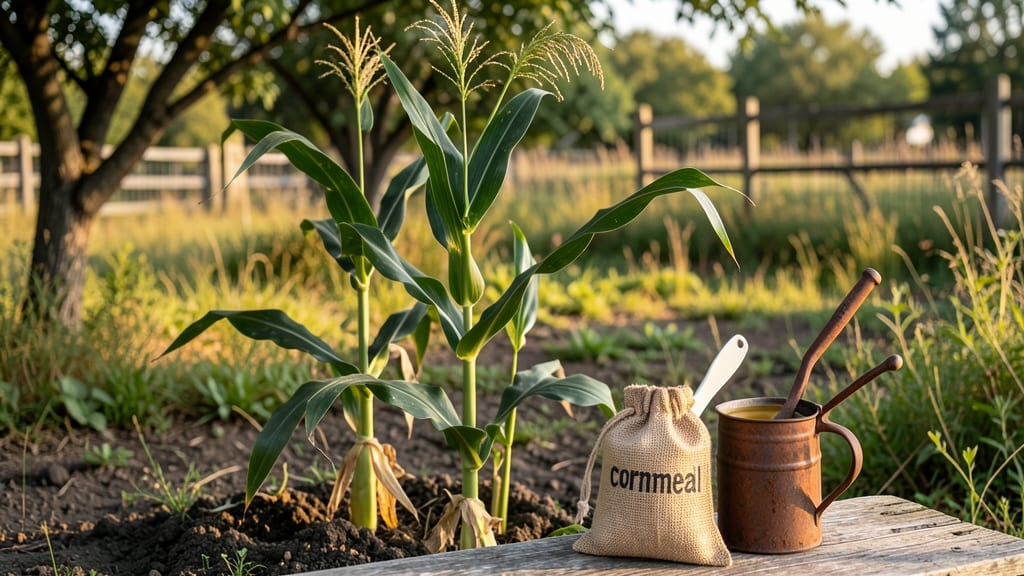
Cornmeal for the garden acts as a natural soil booster, pest deterrent, and fungal inhibitor when sprinkled around plants or worked into the soil.
Cornmeal's magic comes from its dual role as both a slow-release fertilizer and a physical barrier.
When worked into the soil, it breaks down gradually, feeding plants with nitrogen over time while its gritty texture repels slugs and insects. 🌱 The organic compounds in cornmeal also inhibit fungal growth, making it a triple-threat solution for gardeners looking to reduce chemical inputs.
For best results, apply a thin layer (about 1-2 cups per 10 square feet) in early morning or evening to avoid washing away.
Unlike synthetic fertilizers, cornmeal improves soil structure over time by encouraging beneficial microbial activity. Many gardeners swear by it as a preventative measure—sprinkling it around seedlings or mixing it into compost piles creates a protective zone against common garden pests.
The key is consistency; reapply every 4-6 weeks during growing seasons for continuous benefits.
💡 In This Article
- How Cornmeal Enriches Soil and Controls Pests
- Best Ways to Apply Cornmeal in Your Garden
How cornmeal enriches soil and controls pests
Cornmeal works its magic in the garden primarily through its nitrogen-rich composition and unique physical properties.
When applied to soil, the coarse texture of cornmeal creates a gritty barrier that slugs and insects find nearly impassable. 🌱 The gritty particles irritate soft-bodied pests like slugs and snails, causing them to avoid treated areas entirely.
This mechanical defense is why gardeners often see immediate results—slug trails disappear within days of application.
The real soil science happens underground. Cornmeal contains about 10-12% protein by weight, which breaks down into nitrogen through microbial activity. Unlike synthetic fertilizers that release nitrogen all at once, cornmeal decomposes slowly over 4-8 weeks, providing a steady nutrient supply.
This gradual release mimics natural organic matter decomposition, supporting long-term soil fertility without the risk of burning plants that fast-acting fertilizers can cause.
Beyond nitrogen, cornmeal contains organic compounds like ferulic acid that act as natural fungicides. These compounds inhibit the growth of common soil fungi, including powdery mildew and root rot pathogens. 💫 The antifungal properties make cornmeal particularly valuable for gardens prone to damp conditions or fungal outbreaks.
Studies show that cornmeal-amended soils maintain 20-30% lower fungal activity compared to untreated controls.
What makes cornmeal uniquely effective is how it combines these benefits without harming beneficial soil organisms. Unlike chemical pesticides, it doesn't kill earthworms or mycorrhizal fungi that help plants absorb nutrients.
The key is using finely ground cornmeal (not coarse grits) for soil incorporation—this maximizes surface area for microbial action while still providing the gritty texture that pests dislike.
For vegetable gardens, cornmeal's nitrogen benefits are especially valuable for leafy greens and corn itself, which are heavy nitrogen feeders. A light application (½ cup per 10 sq ft) around seedlings provides enough nitrogen to support early growth without overwhelming the plants.
The texture also helps improve soil aeration, creating better root zones for young plants.
One common misconception is that cornmeal attracts pests—quite the opposite.
While cornmeal does contain starch that could theoretically attract some insects, its coarse texture and nitrogen content actually make it less appealing than rotting organic matter. 🌿 The gritty particles get lodged in insect exoskeletons, creating physical discomfort that deters feeding.
This dual-action approach is why organic gardeners often keep cornmeal on hand as their first line of defense against common garden pests.