
Pests
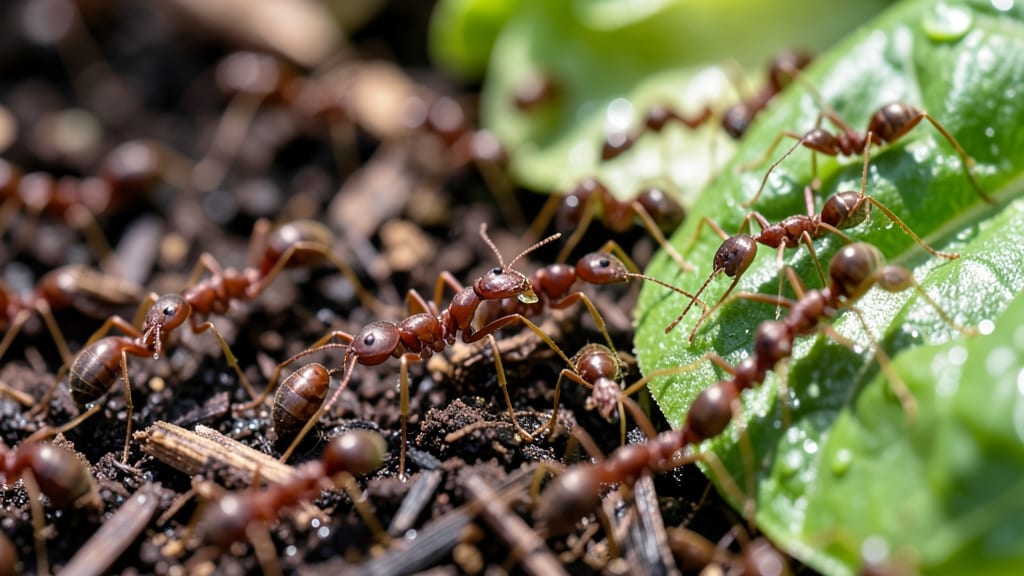
Ants in a garden aren’t inherently bad—they aerate soil, disperse seeds, and control pests like aphids, but some species (e.g., carpenter ants) can damage plant roots or structures. Their impact depends on type, population, and plant health.
Most ants actually improve garden ecosystems by breaking down organic matter and creating tunnels that enhance soil aeration. 🌱 However, their benefits vary by species—harvester ants, for example, help spread seeds while fire ants can create mounds that disrupt plant roots.
The key is monitoring their behavior: small, scattered trails of pavement ants are usually harmless, but large colonies near your foundation or vegetable beds might require intervention.
If you notice plants wilting or ant trails leading toward your home, it's time to act. Organic solutions like sprinkling diatomaceous earth around plants or placing citrus peels near entry points can deter unwanted visitors without chemicals.
I've found that maintaining healthy soil and proper water drainage naturally reduces ant attractants, creating a less hospitable environment for pests.
💡 In This Article
- How Different Ant Species Affect Garden Health
- Natural Ways to Manage Ants Without Harming Your Garden
How different ant species affect garden health
Ants play dual roles in gardens, acting as both ecosystem engineers and potential nuisances, depending on the species. Harvester ants, for instance, are soil tillers—their foraging tunnels aerate compacted dirt, improving water drainage and root penetration.
Studies show these tunnels can increase soil porosity by up to 30% in heavy clay soils, which is a boon for root growth. 🌱 Meanwhile, fire ants create mounds that disrupt plant roots by altering soil pH levels and competing for nutrients, often leading to stunted growth in nearby vegetables.
The size and behavior of ant colonies directly impact their influence. Small colonies of pavement ants (less than 1,000 workers) typically focus on scavenging and rarely harm plants. In contrast, large carpenter ant colonies (with 10,000+ workers
Their saliva contains enzymes that break down plant tissues, creating entry points for fungal infections. The key difference lies in their diet: seed-harvesting ants benefit gardens by dispersing seeds, while sugar-loving species (like Argentine ants) attract harmful pests like aphids. Ants also serve as natural pest controllers by preying on garden pests. A single harvester ant colony can consume 10,000+ aphids per year, reducing the need for chemical pesticides. However, their pest-control benefits come with trade-offs—some species protect aphids in exchange for honeydew, creating a mutualistic relationship that harms plants. This delicate balance means monitoring ant activity is crucial: beneficial species should be encouraged, while harmful ones need management. Soil chemistry plays a surprising role in ant-plant interactions. Ants modify soil nutrients by moving organic matter to their nests, creating nutrient-rich hotspots. For example, leafcutter ants cultivate fungus gardens that decompose plant material, enriching the soil with nitrogen and phosphorus. 🌿 However, their mounds can become breeding grounds for pathogens if not managed, especially in humid climates where fungal growth thrives. The trade-off between soil enrichment and potential disease risks highlights why understanding ant species becomes essential for gardeners. Visual cues can help identify beneficial vs. harmful ants. Harvester ants have large, textured bodies and carry seeds, while fire ants form aggressive mounds with visible tunnels. Pavement ants create small, irregular trails along sidewalks, rarely venturing into garden beds. Recognizing these patterns allows gardeners to make informed decisions about intervention—tolerating beneficial species while addressing those that pose risks to plant health. What most gardeners don't realize is that ant behavior shifts seasonally. In spring, ants focus on nest repair and foraging, while summer brings peak activity as they search for water and food. This seasonal pattern explains why ant problems often spike during dry periods—plants stressed by drought release more sugars, attracting larger ant colonies. Understanding these cycles helps time interventions effectively, reducing the need for year-round management.