
Flowers
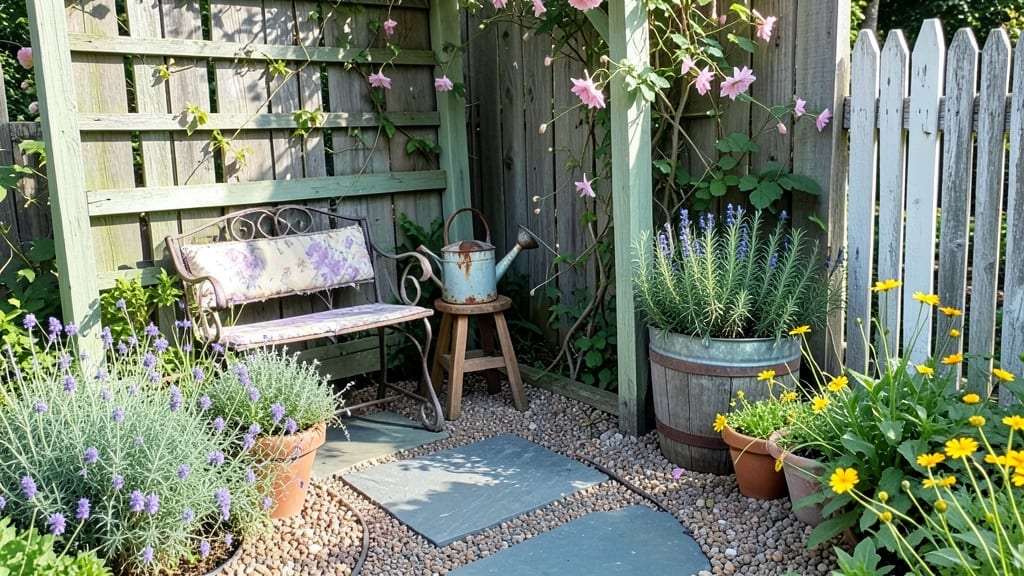
A cottage garden in Waupaca, WI, thrives with hardy native perennials like coneflowers, black-eyed Susans, and columbine, layered with ornamental grasses and seasonal bulbs for continuous blooms from spring to frost. Prioritize drought-tolerant species and partial-shade plants to match Wisconsin’s climate and soil conditions.
A cottage garden in Waupaca, WI, should focus on plants that not only survive but thrive in the region's Zone 4-5 climate and sandy or clay soils. 🌿 The key is selecting native species like milkweed and bee balm, which attract pollinators while requiring minimal care.
These plants are naturally adapted to Wisconsin’s short growing season and variable rainfall, making them ideal for low-maintenance designs. Layering bulbs like daffodils and tulips with perennials ensures color throughout the year, even after the first frost.
The best part? These plants often return year after year, reducing the need for replanting and saving you time and money.
💡 In This Article
- Top Wisconsin-Native Cottage Garden Plants for Waupaca’s Climate
- Designing a Low-Maintenance Cottage Garden Layout for Wisconsin
Top Wisconsin-native cottage garden plants for Waupaca’s climate
Waupaca’s Zone 4-5 climate demands plants that can handle frigid winters (often dipping below -20°F) and hot, dry summers with 4-6 inches of rainfall per month.
Native species like eastern red columbine and wild bergamot thrive here because their deep root systems access moisture during droughts while their waxy leaves reduce water loss. These plants also develop cold hardiness through a process called acclimation, where they produce protective sugars that prevent cell damage during freezing.
The sandy, slightly acidic soils common in Waupaca favor plants like black-eyed Susan and purple coneflower, which have adapted to thrive in low-nutrient conditions. For example, coneflowers' roots form symbiotic relationships with mycorrhizal fungi, helping them absorb nutrients more efficiently.
Their drought-resistant foliage stays vibrant even when other plants wilt, making them perfect for low-water landscapes. 🌿 Another standout is milkweed, which not only supports monarch butterflies but also tolerates poor soil drainage—ideal for areas where water pools after heavy rains.
Seasonal bloom cycles are another key advantage of these natives. Bee balm bursts into color from June to September, while asters take over in late summer to fall, ensuring your garden never looks bare.
The delayed blooming of asters provides late-season nectar for pollinators when other flowers have faded. These plants also self-seed readily, meaning they’ll multiply year after year with minimal effort from you—unlike many non-native varieties that require constant replanting.
What most gardeners don’t realize is how these plants improve soil health over time. For instance, wild bergamot has nitrogen-fixing properties, enriching the soil naturally, while coneflowers attract beneficial insects that prey on garden pests.
Their deep taproots also help break up compacted soil, improving aeration and drainage. This makes them far more sustainable than ornamental hybrids that often require fertilizers and pesticides to survive.
Consider this comparison for Waupaca’s conditions:
- Drought tolerance: Coneflowers (survive with 1 inch of water/week) vs. Petunias (need 1-2 inches/week)
- Cold hardiness: Columbine (-40°F) vs. Marigolds (down to 28°F)
- Pollinator support: Milkweed (host plant for monarchs) vs. Zinnias (attracts bees but no habitat value)
For best results, group plants with similar water needs together. For example, pair drought-tolerant perennials like sedum with moisture-loving natives such as swamp milkweed near garden edges where water collects. This hydrological layering mimics natural ecosystems and reduces maintenance by creating microclimates that support each plant’s specific needs. 💫