
Fertilization
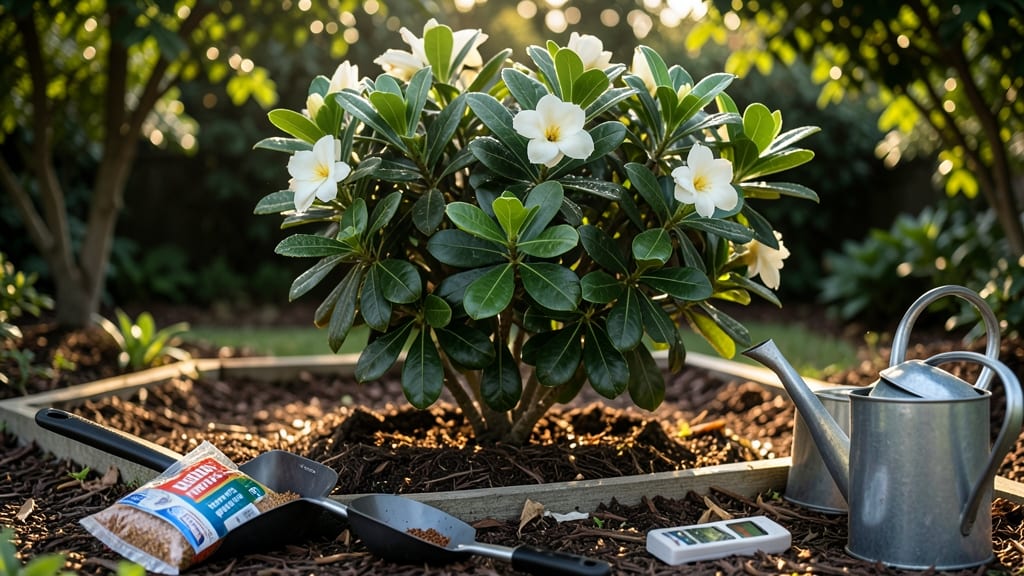
Fertilizing gardenias in Georgia triggers blooms that perfume your yard from spring through summer—if you time it right.
Picture this: You’ve just planted your 🌸 gardenias, eager for those signature white blossoms and intoxicating scent. But if you fertilize too early, you risk stunted growth; too late, and you’ll miss the peak blooming window.
Georgia’s humid climate adds another layer—overdo it, and you’ll burn roots in the heat. The key? A month-by-month schedule tailored to your zone (7b-8b) and soil type.
Most gardeners in Georgia start light feeding in early spring as new growth appears, then ramp up through summer to fuel continuous blooms. But here’s where many go wrong: they either skip the pre-bloom boost or overfeed when the plant slows down in fall.
I’ll walk you through the exact timing, fertilizer types (including acid-loving blends), and how to spot when your gardenias are begging for nutrients—or warning you to back off.
By the end, you’ll know not just when to fertilize, but how to read your gardenias’ signals—yellowing leaves, sparse blooms, or even leaf drop—and adjust on the fly. No more guesswork, just year-round fragrance that makes your neighbors jealous.

Georgia’s ideal gardenia fertilization timeline: month-by-month breakdown
Gardenias in Georgia thrive when fertilized at the right times—too early or late, and you’ll miss the critical bloom triggers that make these fragrant shrubs shine. Georgia’s humid subtropical climate (USDA zones 7b-8b) demands a seasonal approach to avoid root burn or nutrient waste.
Coastal areas like Savannah experience milder winters, while Piedmont regions like Athens face sharper temperature swings—both require adjustments. Let’s break down the month-by-month schedule that keeps your gardenias lush and blooming year-round.
First, test your soil’s pH level—gardenias crave acidic soil (5.0–6.0). If your soil is alkaline, amend it with sulfur or peat moss before fertilizing. Georgia’s native soils often need this prep to prevent iron chlorosis (yellow leaves with green veins).
Once your soil is ready, follow this timeline tailored to Georgia’s climate zones to maximize blooms without overfeeding.