
Fertilization
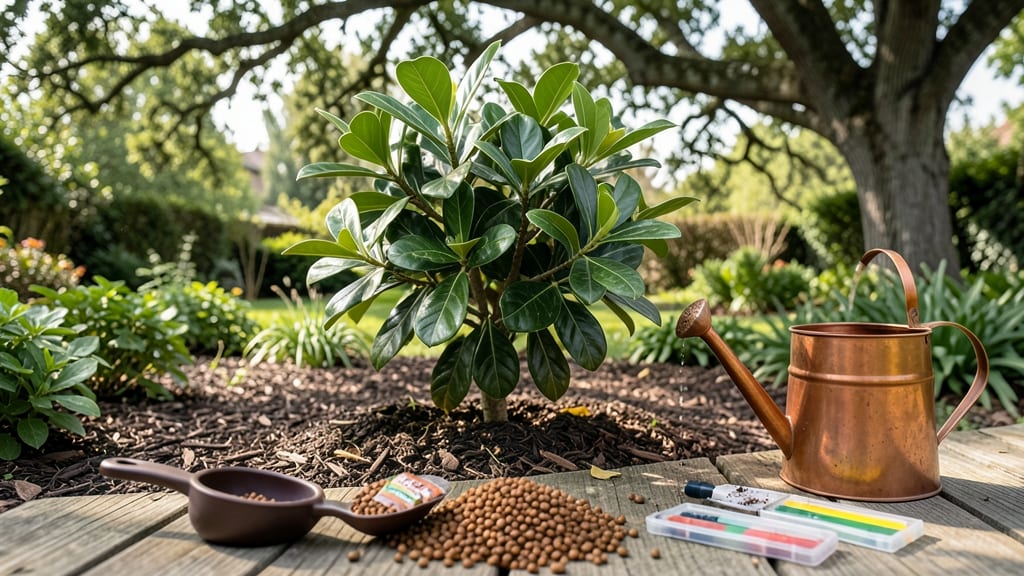
To fertilize gardenias properly, you’ll want to feed them every 4–6 weeks during their active growing season—spring and summer—when they’re hungry for nutrients to fuel those fragrant blooms 🌸.
Struggling to keep your gardenias blooming as beautifully as they did when you first planted them? The secret isn’t just water or sunlight—it’s a precise fertilization schedule tailored to their needs.
Gardenias thrive in acidic soil, and their blooms depend on consistent feeding—but overdo it, and you’ll burn their roots. I’ll walk you through the exact timing, fertilizer types, and signs to watch for so you never guess again.
By the end, you’ll know when to feed, what to use, and how to tell if your plant is begging for more—or screaming for a break.

Optimal fertilization frequency for gardenias by season: a month-by-month guide
Gardenias are diva plants—they reward precise care with fragrant blooms but punish neglect with sparse flowers and yellowing leaves. The key to keeping them thriving? A seasonal fertilization schedule that matches their natural growth cycles.
Unlike annuals that feed continuously, gardenias enter dormancy in winter, so feeding too late can stress them. Let’s break down exactly when, what, and how to fertilize for year-round blooms without burning their roots.
Most gardeners make two critical mistakes: fertilizing in winter or using high-nitrogen products that promote leaves over flowers. Gardenias need a balanced 10-10-10 or 12-12-12 NPK ratio to encourage blooms, not just foliage.
Organic options like fish emulsion or composted pine bark work well, but synthetic citrus bloom fertilizers are fast-acting favorites for quick results. The goal is to feed just enough to support growth without overloading the soil.