
Plants
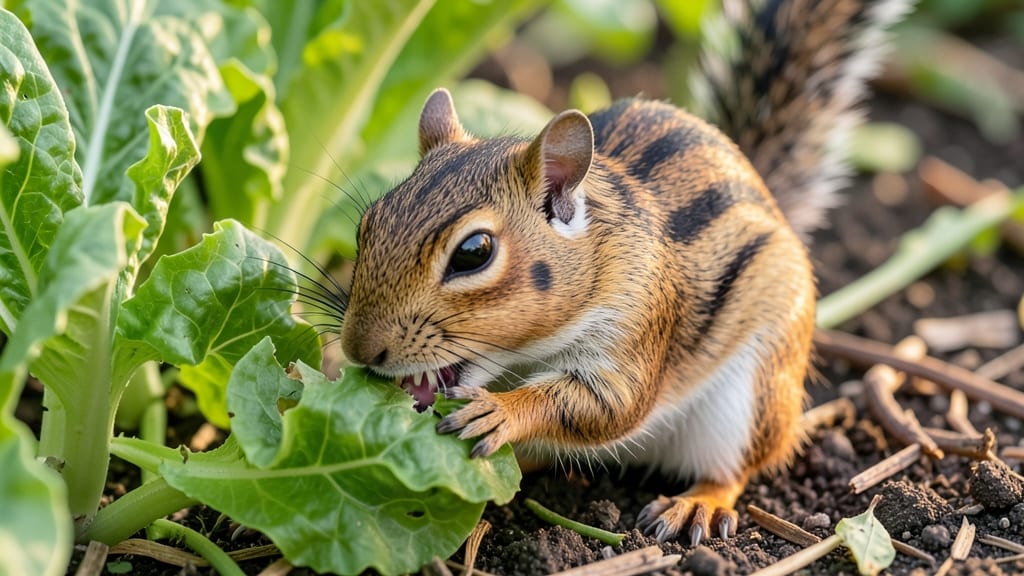
Chipmunks eat garden plants aggressively, targeting tender vegetables like lettuce, peas, and corn, along with fruits, seeds, and young seedlings. Their relentless foraging can devastate home gardens within weeks if left unmanaged.
These small rodents are nature's opportunistic snackers, drawn to gardens by the high sugar and moisture content in soft plants. 🐿️ Unlike squirrels, chipmunks dig directly into soil to reach roots and bulbs, often creating visible tunnels that damage plant systems.
Their seasonal shifts—consuming more seeds in fall and fresh greens in spring—make them particularly destructive during planting and harvest times. The key to protection lies in understanding their behavior patterns and acting before they establish feeding routines.
Chipmunks typically favor plants with low fiber and high water content, which is why lettuce and peas rank among their top targets. Their natural diet in the wild consists of nuts, insects, and fungi, but cultivated gardens offer an all-you-can-eat buffet that triggers their foraging instincts.
This dietary flexibility is what makes them such persistent pests in residential areas.
💡 In This Article
- Chipmunk Diet: Why Garden Vegetables Are Their Favorite Snacks
- 10 Best Chipmunk-Proofing Strategies for Your Garden
Chipmunk diet: why garden vegetables are their favorite snacks
Chipmunks have evolved as omnivorous foragers, meaning they'll eat almost anything edible—but garden plants are their all-time favorites.
Their preference stems from a perfect storm of nutritional needs: high sugar content (like in ripe tomatoes or corn), soft textures (easy to chew), and high moisture levels (critical for their small bodies).
Studies show they particularly target plants with low fiber, as fiber slows digestion, and chipmunks need quick energy for their high-metabolism lifestyles. 🌱 For example, a single chipmunk can strip a young tomato plant to its stem in under 24 hours, focusing first on the sweetest, most tender parts.
Their natural diet in the wild includes nuts, seeds, fungi, and insects, but cultivated gardens offer an unlimited buffet—especially during planting and harvest seasons. Chipmunks have excellent color vision, which helps them spot ripe fruits and vegetables from a distance.
They'll also dig 1-2 inches deep to reach roots and bulbs, creating visible tunnels that disrupt plant growth. Seasonally, their preferences shift: spring brings a focus on young seedlings (high in protein), while fall sees them feasting on seeds and nuts (energy storage for winter).
This adaptability is why they thrive in gardens year-round.
What makes garden plants especially appealing is their lack of natural defenses compared to wild plants. Many cultivated varieties have been bred for tenderness and sweetness—traits that chipmunks find irresistible. For instance, lettuce leaves contain 89% water and minimal fiber, making them an easy, hydrating snack.
Meanwhile, peas and beans offer both protein and carbohydrates, fulfilling multiple nutritional needs in one bite. 🐿️ The contrast between wild and garden plants is stark: while wild plants often have bitter compounds or tougher textures to deter herbivores, garden plants are essentially "designed" for human consumption—and chipmunks take full advantage.
Their foraging behavior is also highly efficient. Chipmunks use their sharp incisors to gnaw through stems and leaves, and their cheek pouches (which can hold up to 10 seeds or nuts at once) allow them to carry food back to their burrows for later.
This hoarding instinct means they won’t just nibble—they’ll systematically strip plants to maximize their haul. In a garden, this translates to visible damage patterns: chewed leaves, missing fruits, and plants uprooted from the soil.
Their activity peaks at dawn and dusk, when they’re most active and predators are least likely to disturb them.
One often-overlooked factor is the chemical composition of garden plants. Many vegetables contain natural sugars like fructose and glucose, which chipmunks detect through scent and taste. For example, corn kernels are particularly vulnerable because they’re high in starch and easy to access once the husk is removed.
Even herbs like basil or parsley—which you might assume are safe—can become targets if the chipmunk population is large enough. The key takeaway? Chipmunks don’t just eat garden plants—they actively seek them out because they’re the closest thing to a fast-food meal in nature. 🌿
Understanding this behavior is the first step in protecting your garden. Chipmunks aren’t just random pests; they’re strategic foragers with specific preferences driven by biology, seasonality, and the unfortunate convenience of cultivated plants.
By recognizing what makes your garden so appealing to them, you can start implementing targeted deterrents—whether through physical barriers, repellents, or habitat adjustments—to reclaim your plants before they become a chipmunk’s all-you-can-eat feast.