
Pests
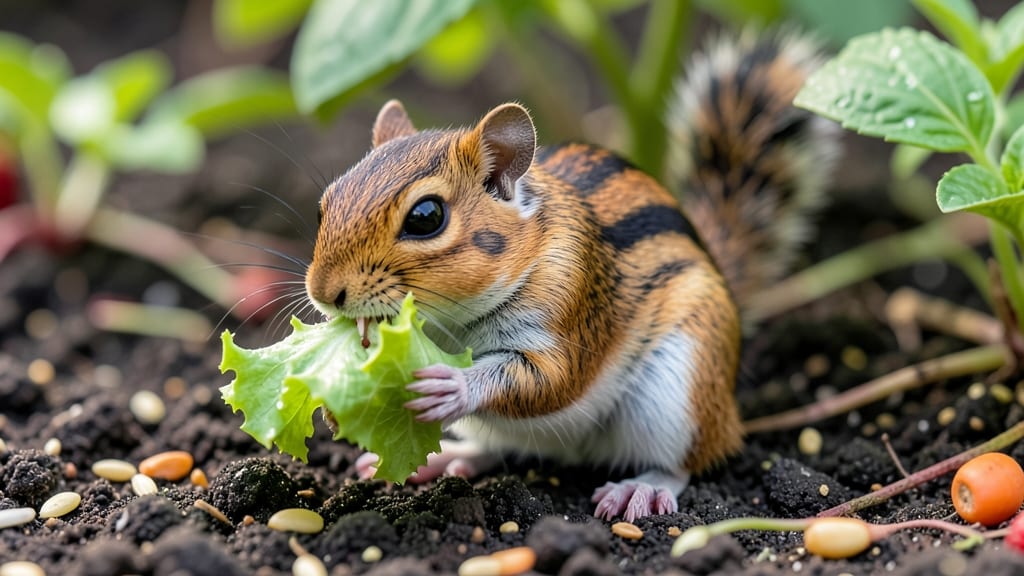
Yes, chipmunks will eat your garden, targeting seeds, fruits, vegetables, and even young plants, especially during spring and summer when food is scarce. Their burrowing habits also damage roots and soil structure, making them a persistent nuisance for gardeners.
Chipmunks are opportunistic foragers, and your garden becomes a prime target when natural food sources dwindle. 🌱 They particularly love tender young shoots, ripe fruits like strawberries, and even bulbs—think tulips or daffodils—which they dig up for the energy-rich roots.
Their burrowing doesn’t just uproot plants; it aerates the soil in ways that can actually help weeds thrive, creating a double-edged problem for gardeners.
What makes them especially tricky is their ability to adapt. If you notice half-eaten veggies or small holes in your flower beds, these aren’t random acts—they’re strategic raids by chipmunks assessing your garden’s weak spots.
Their nesting habits mean they’ll return to the same areas repeatedly, so ignoring the signs rarely works. The key is combining deterrents that disrupt their foraging patterns while making your garden less appealing than the wild alternatives.
💡 In This Article
- How Chipmunks Damage Gardens and What They Target Most
- Effective Chipmunk Deterrents for Your Garden
How chipmunks damage gardens and what they target most
Chipmunks are nature's opportunistic scavengers, and your garden becomes their all-you-can-eat buffet when natural food sources like nuts and insects become scarce. 🌱 Their foraging behavior is driven by survival instincts—during spring and summer, when their preferred wild foods are less abundant, they turn to cultivated gardens for quick energy.
Studies show chipmunks can consume up to 50% of their body weight daily, which means a single chipmunk can demolish 10-20 seeds or small fruits in just 10 minutes.
Their diet isn't random—chipmunks have specific preferences that make certain garden plants their prime targets. Soft, tender vegetables like lettuce, beans, and peas are high on their menu because they require minimal chewing.
Fruits with thin skins, such as strawberries, blueberries, and raspberries, are especially vulnerable—they'll even gnaw through plastic mulch to reach them. Bulbs like tulips and daffodils are another favorite because the energy-rich roots provide essential nutrients for their survival and reproduction.
What makes chipmunks particularly destructive is their burrowing habit. Unlike surface-level foragers, they dig extensive tunnel systems that can reach depths of 12-18 inches. These tunnels don't just uproot plants—they create ideal conditions for weeds to sprout by disturbing soil compaction and exposing buried seeds.
The damage isn't just aesthetic; it disrupts the entire root ecosystem, making plants more susceptible to disease and reducing their ability to absorb water and nutrients.
Here's what happens when they burrow: their tunnels create air pockets that accelerate soil erosion, while the loose dirt they excavate often collects in unsightly piles near plant bases. 🌿 The worst part?
Chipmunks rarely dig randomly—they target areas with the most accessible food sources, often near garden edges or under low-hanging branches. This strategic approach means they'll return to the same spots repeatedly, creating hotspots of destruction that can spread throughout your garden if left unchecked.
Their nesting habits amplify the problem. Chipmunks typically build nests underground using shredded plant material, which requires them to gather large quantities of leaves, stems, and even small branches. This means they'll strip plants bare not just for food, but also for nesting materials.
The result? Your garden becomes a dual-purpose resource—both a food source and a construction site for these persistent pests.
What most gardeners don't realize is how chipmunks assess their environment. They're intelligent creatures that learn quickly—if they find one successful foraging spot, they'll return to it repeatedly. This behavioral pattern explains why you might notice damage concentrated in specific areas of your garden.
Their ability to remember these locations means traditional deterrents need to be both immediate and comprehensive to break this learned behavior cycle.
The good news is understanding their behavior gives you the upper hand. By targeting their preferred food sources with protective measures and disrupting their burrowing patterns, you can significantly reduce their impact on your garden.
The key is acting before they establish these damaging patterns—once they've claimed your garden as their personal pantry, the cleanup becomes much more challenging. 💡