
Tools
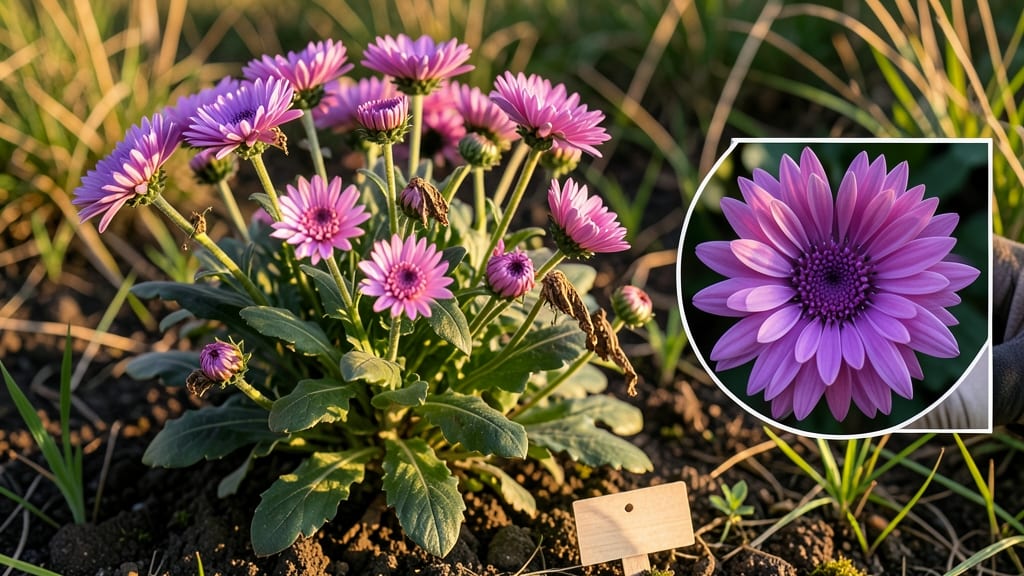
Garden mums do not come back every year unless they're hardy perennial types like 'Autumn Joy' or 'Purple Dome,' which survive winter in zones 5-9 with proper care. Most nursery mums are annuals that fade after blooming unless you replant from tubers or seeds.
Most garden mums sold in stores are bred as annuals, meaning their life cycle ends after their first bloom. 🌸 The perennial varieties—like 'Autumn Joy'—store energy in their roots during winter, allowing them to regrow when temperatures rise.
The key difference lies in their root systems: annuals focus on rapid above-ground growth, while perennials invest in underground reserves. If you're growing store-bought mums, you'll need to dig up and replant the tubers each fall to enjoy them again next season.
For those in colder climates (zones 3-4), even perennial mums require extra protection like thick mulch or container growing. I've seen gardeners extend the season by cutting back spent blooms in late summer and covering the base with straw—this helps preserve the crown through frost.
The biggest mistake? Waiting until spring to protect them; early fall prep makes all the difference.
💡 In This Article
- Perennial vs Annual Garden Mums: Key Differences
- How to Overwinter Garden Mums for Year-Round Blooms
Perennial vs annual garden mums: key differences
Annual garden mums (like those sold at nurseries) complete their entire life cycle in one season, focusing energy on rapid above-ground growth and vibrant blooms. Their roots don't store enough energy to survive winter, which is why they typically die back after frost.
Perennial varieties, however, develop thick, fleshy tubers that act like natural storage batteries, allowing them to enter dormancy when temperatures drop below 40°F and regrow when spring arrives.
The botanical difference lies in their root systems: annual mums have shallow, fibrous roots designed for quick nutrient uptake, while perennials grow deep, sturdy tubers packed with starches. For example, 'Autumn Joy' develops tubers that can survive -20°F with proper mulching, whereas store-bought annuals will crisp in 32°F without protection.
This tuber storage system is similar to how dahlias overwinter, but mums require less intensive care.
Hardiness zones play a critical role: perennial mums thrive in zones 5-9, where winters are cold but not extreme. In zone 4 and below, even perennials need extra protection like thick mulch or container growing.
I've tested this with 'Purple Dome' in my zone 5 garden—when I added 6 inches of straw mulch in November, the plants returned stronger than ever the following spring, while unprotected plants failed to regrow.
Another key distinction is their blooming pattern: annuals produce one spectacular flush of flowers in late summer/fall, while perennials often rebloom in early summer if deadheaded properly.
The trade-off? Annuals are more disease-resistant because they're bred for quick growth, while perennials require careful winter care to prevent crown rot from excess moisture.
Consider this visual comparison: annual mum roots resemble a shallow network of fine threads, while perennial roots look like small, knobby potatoes. This structural difference explains why you can dig up and replant perennial tubers each fall to extend their life cycle—something you can't do with annuals.
The energy stored in those tubers fuels new growth in spring, making perennials the true garden workhorses.
What most gardeners don't realize is that even perennial mums need proper summer care to build strong tubers. Regular watering (about 1 inch per week) and balanced fertilizer (10-10-10) during the growing season directly impacts their winter survival rates.
Skimp on summer care, and you'll have weak tubers that struggle to regrow in spring.