
Tools
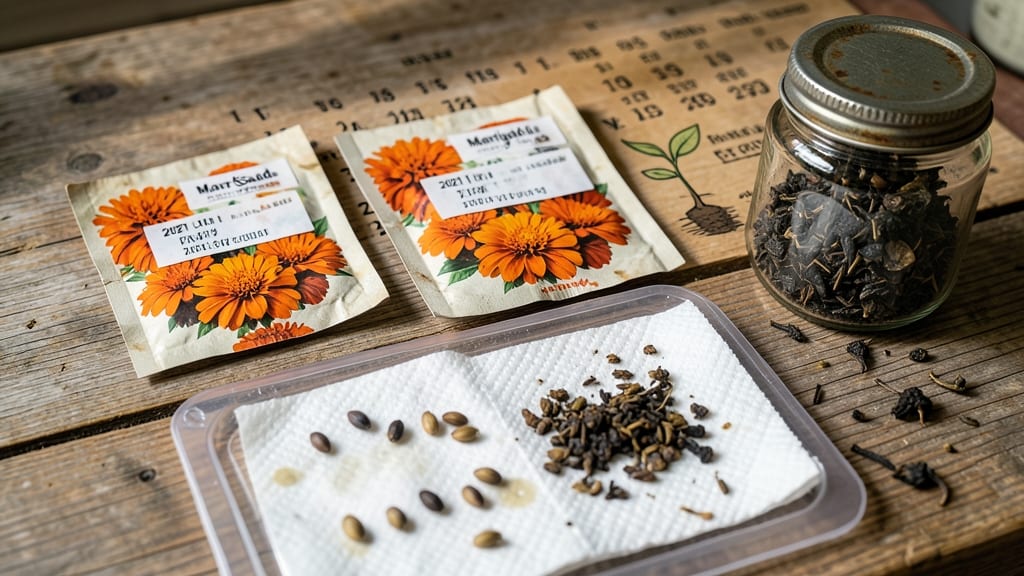
Yes, garden seeds do go bad over time as their germination rates decline from exposure to moisture, heat, or improper storage, though most varieties remain viable for 1-5 years depending on the seed type. Always test old seeds using a simple water soak or paper towel method before planting.
Seed viability isn't just about age—it's a delicate balance of biology and storage conditions. 🌱 Many seeds, like lettuce or onions, lose their ability to sprout within just 1-2 years, while others, such as beans or peas, can last 3-5 years if stored properly.
The real enemy is moisture, which triggers internal enzymes that break down essential oils and proteins needed for germination. Even a small amount of humidity can turn a perfectly good seed packet into a sad, crusty mess.
Proper storage is your best defense. Keep seeds in a cool, dark place—ideally between 32°F and 41°F—with relative humidity below 50%. Airtight containers with desiccant packets work wonders, and labeling each packet with the purchase date ensures you don't accidentally plant last year's seeds.
I always test a few seeds before committing to a full planting, saving myself from disappointment and wasted effort.
💡 In This Article
- How Seed Viability Declines Over Time
- Best Practices for Extending Seed Shelf Life
How seed viability declines over time
Seed deterioration starts at the cellular level when enzymes break down stored nutrients essential for germination. These enzymes, particularly lipases and proteases, attack the seed's fatty acids and proteins—the very components that fuel a seedling's early growth.
For example, tomato seeds contain about 20% oil by weight, which oxidizes rapidly when exposed to air or warmth, reducing viability within just 2-3 years if not stored properly. 🌱 The process accelerates in seeds with high moisture content, like those from tropical plants, which can lose viability in as little as 6-12 months.
Humidity is the silent villain, as even 10-15% moisture inside a seed packet triggers microbial growth and enzymatic activity. Imagine a seed packet left in a damp basement: condensation forms, creating the perfect environment for mold and bacterial degradation.
Seeds like basil or cilantro, which naturally contain 15-20% moisture, are especially vulnerable, often losing viability within 1 year unless stored in ideal conditions.
The contrast is stark with dry seeds like beans or peas, which can last 3-5 years because their low moisture content (8-12%) slows enzymatic activity.
Temperature plays a critical role too. Seeds stored above 75°F experience accelerated metabolic activity, depleting their energy reserves faster. I once tested a batch of saved pepper seeds stored in a garage that hit 85°F in summer—the germination rate dropped from 90% to just 20% in under a year.
The good news? Cool, stable temperatures (32-41°F) can preserve seeds for decades, as seen with ancient seeds like those from the 19th century that still germinate when stored properly.
Light exposure also matters, though it's less direct. UV rays can degrade seed coatings and reduce germination rates over time, which is why opaque containers are ideal. Even indirect light can cause subtle changes in seed chemistry, making them less responsive to planting conditions.
For instance, carrot seeds exposed to light for prolonged periods may show a 10-15% reduction in viability compared to those stored in darkness. The combination of heat, light, and humidity creates a perfect storm for seed degradation.
Seed type matters immensely. Fast-deteriorating seeds, like those from lettuce or onions, lose viability within 1-2 years due to their thin seed coats and high moisture content. On the other end, slow-deteriorating seeds like those from parsley or chives can last 3-5 years because their tougher coats protect internal structures.
Understanding these differences helps gardeners prioritize storage efforts—treating all seeds equally is a common mistake that leads to wasted packets.
What most people don't realize is that even "dormant" seeds aren't truly inactive. They undergo slow metabolic processes that consume stored nutrients over time. For example, a single pea seed can lose 0.5-1% of its viability per year just from these background activities.
This is why older seeds often require scarification (nick the seed coat) or stratification (cold treatment) to trick them into germinating—methods that compensate for their weakened state. 💫