
Blooming
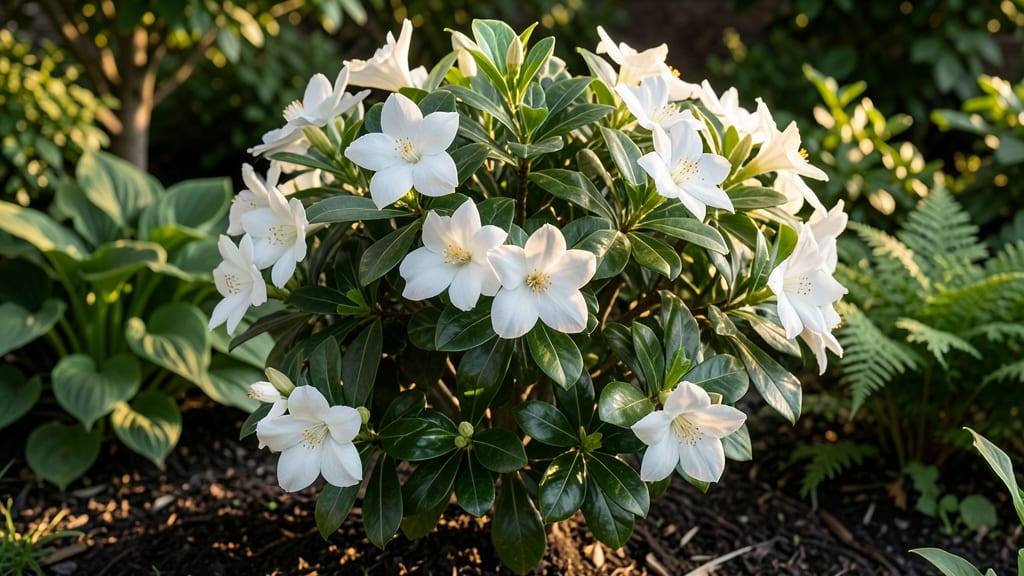
Gardenias don't bloom all summer continuously—they produce flowers in seasonal bursts of 4-8 weeks, followed by rest periods. Warmer climates may see occasional blooms, while cooler areas have shorter flowering windows.
Gardenias are sensitive to temperature shifts, which trigger their flowering cycles. In USDA zones 7-10, they typically bloom most heavily in spring or early summer when days are longer and temperatures stabilize. 🌸 The plant enters dormancy during heatwaves or cold snaps, conserving energy for next season's blooms.
Even in ideal conditions, you'll rarely see continuous flowers—think of them as seasonal performers rather than year-round stars.
What many gardeners don't realize is that proper care can extend the blooming window slightly. Regular pruning after flowers fade encourages new growth, while maintaining slightly acidic soil (pH 5.0-6.5) and consistent moisture helps sustain energy reserves.
I've found that providing afternoon shade in hot climates can prevent stress-induced dormancy, sometimes adding an extra 2-4 weeks of blooms.
💡 In This Article
- How Climate Zones Impact Gardenia Flowering Seasons
- Extending Gardenia Bloom Time with Pruning and Care
How climate zones impact gardenia flowering seasons
Gardenias are tropical natives that evolved to bloom in response to specific temperature and daylight cues. Their flowering cycle is tightly linked to USDA hardiness zones 7-10, where they experience distinct seasonal patterns.
In zones 9-10, gardenias may produce flowers year-round with brief pauses, while zones 7-8 see concentrated blooming during spring (March-May) and early summer (June-July) when temperatures hover between 65-85°F and daylight exceeds 12 hours. 🌸
The key trigger is photoperiodism—longer daylight hours stimulate flower buds to form. However, extreme heat or cold disrupts this process. Gardenias native to Southeast Asia and Australia enter dormancy when temperatures exceed 90°F or drop below 50°F, conserving energy until conditions stabilize.
This is why gardeners in Florida (zone 9) might see sporadic blooms in fall, while those in Georgia (zone 8) experience a sharp 4-6 week bloom window in spring.
Daylight duration also plays a crucial role. Gardenias require 12-14 hours of light daily to trigger blooming, which explains why northern climates (zone 7) have shorter bloom seasons. The plant's internal clock, called the circadian rhythm, synchronizes with these light patterns to time flower production.
When days shorten in late summer, gardenias naturally prepare for dormancy, regardless of care efforts. This biological programming means you'll rarely see continuous summer blooming—even with perfect conditions.
Humidity levels further influence blooming patterns. Gardenias thrive in 50-70% humidity, and dry conditions can trigger early dormancy. In Arizona (zone 9), gardenias may bloom intermittently if kept well-watered, while in coastal California (zone 10), they might flower more consistently due to stable humidity.
The plant's native tropical environment taught it to conserve resources during dry seasons—a trait that persists even in cultivated varieties. 💧
One fascinating adaptation is how gardenias in warmer zones develop a "split blooming" pattern. After the initial spring flush, they may produce a smaller bloom cycle in late summer if temperatures remain moderate. This secondary bloom often occurs when daytime highs stay below 88°F and nights dip to 65°F.
The contrast between these two bloom periods highlights how gardenias balance energy conservation with reproductive opportunities—a survival strategy from their wild ancestors.
For gardeners in marginal zones (like zone 6), gardenias may only bloom reliably when planted near heat-retaining structures or in microclimates with extended growing seasons. The plant's sensitivity to temperature fluctuations means even a 10°F drop can halt blooming for weeks.
This explains why gardenias in northern climates often require winter protection despite being evergreen shrubs. Their blooming strategy reflects a careful energy budgeting system honed over millennia in tropical forests. 🌿