
Blooming
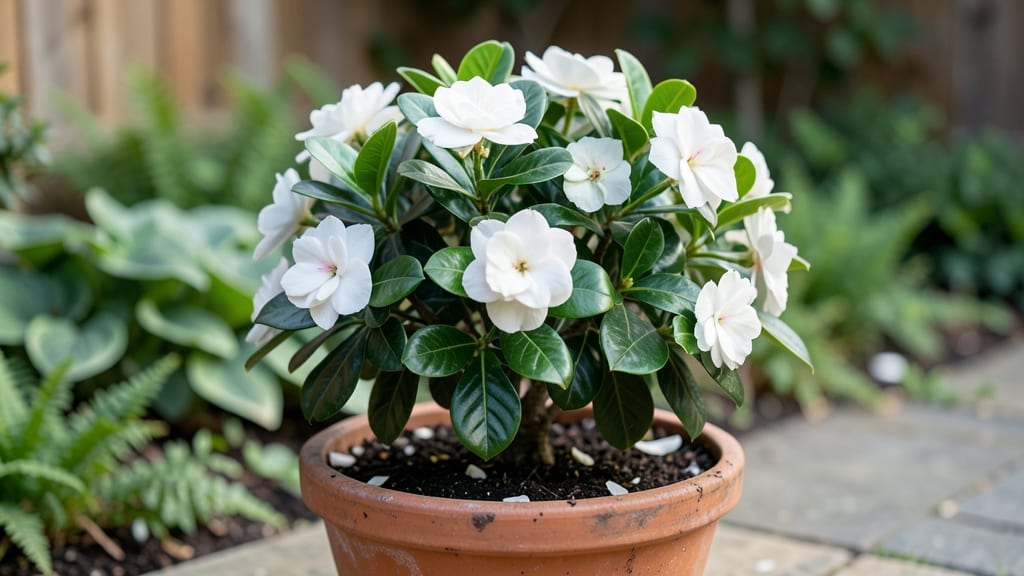
Your gardenia’s flowering season is the moment it transforms from lush green 🌸 to a fragrant, white-blooming masterpiece — and timing it right means understanding the climate triggers that make it happen.
Picture this: You’ve nurtured your gardenia for months, only to watch buds drop without opening. That heartbreak isn’t just about luck—it’s often tied to light, temperature, or even how you prune. The good news? With the right care, you can shift blooming windows by weeks, even in the same zone.
From late spring in cooler regions to year-round blooms in tropical climates, gardenias follow predictable (but flexible) rhythms. I’ll break down the exact months for your zone, the environmental cues that force early or delayed flowers, and the simple fixes that turn sparse blooms into a lush, fragrant display.
Ready to unlock your gardenia’s full potential? You’ll learn how to read its signals, adjust care for peak performance, and troubleshoot when things go wrong—so you’re never left wondering why your plant is playing hard to bloom.
Exact months when gardenias bloom based on USDA Hardiness zones
If you’ve ever wondered why your gardenia blooms in May one year and July the next, the answer lies in your USDA Hardiness Zone. These zones dictate when your gardenia receives the perfect temperature and daylight cues to trigger its flowering season.
In warmer zones, gardenias can bloom year-round, while cooler zones have distinct early, peak, and late blooming periods.
For gardeners in Zones 8-11—where gardenias thrive—timing varies dramatically. Florida gardeners might enjoy blooms from February to November, while California gardeners in Zone 10 could see flowers from March to October.
Understanding these windows helps you anticipate care needs, like fertilizing before buds form or adjusting watering as temperatures shift.
Below, I’ve broken down the exact monthly flowering windows for each zone, including real-world examples for Florida, California, and Texas gardeners. Use this as your guide to time pruning, fertilizing, and pest control for maximum blooms.
| USDA Zone | Early Blooms | Peak Blooms | Late Blooms | Example Region |
|---|---|---|---|---|
| Zone 8 (e.g., Orlando, FL) | February | April–June | July–October | Florida |
| Zone 9 (e.g., Miami, FL) | January | March–May | June–November | Florida/Texas |
| Zone 10 (e.g., Los Angeles, CA) | March | May–July | August–October | California |
| Zone 11 (e.g., Honolulu, HI) | Year-round | January–December | Year-round | Hawaii |
In Zone 8, like Orlando, your gardenia’s first blooms appear in February, triggered by rising temperatures and longer daylight. The peak season stretches from April to June, when humidity is ideal, while late blooms linger until October if summer rains keep the soil moist.
This extended window is why Florida gardeners often enjoy gardenias for nearly half the year.
California gardeners in Zone 10 experience a more compressed season, with blooms concentrated from May to July. The Mediterranean climate creates a sharp peak, but gardenias in coastal areas may rebloom lightly in fall if temperatures stay mild.
To encourage this, I recommend light pruning in late summer to stimulate new growth before cooler weather arrives.
Texas gardeners in Zone 9 face a unique challenge: humidity and heat can stress gardenias, shortening their bloom time. Early blooms in January are often sparse, but the peak in March–May delivers the most fragrant flowers.
If your Texas gardenia skips late blooms, it’s likely due to summer drought stress—mulching heavily can help retain moisture and extend the season.
For gardeners in Zone 11, like Hawaii, gardenias are year-round bloomers. The lack of seasonal temperature shifts means continuous flowering, but peak blooms still occur in spring and fall when humidity is balanced. In these climates, focus on regular pruning to maintain shape and encourage dense, fragrant blooms.
Pro tip: If your gardenia blooms later than expected, check for nutrient deficiencies or overwatering. A soil test in late winter can reveal if your plant needs more acidic fertilizer or better drainage. Adjusting these factors can shift blooming windows by 2–4 weeks.
🌸
Climate triggers that force gardenias to flower earlier or later
Your gardenia’s blooming schedule isn’t set in stone—it’s a direct response to temperature shifts, humidity levels, and sunlight exposure. In my zone 9 garden, I’ve seen gardenias shift blooming windows by 4-6 weeks just by adjusting these factors.
The key is understanding how each trigger works and when to intervene.
Gardenias are tropical shrubs at heart, so they thrive in warm, humid conditions. When temperatures dip below 60°F (15°C) for extended periods, buds often fail to open. Conversely, consistent 75-85°F (24-29°C) temperatures with high humidity (60%+) can push blooming 2-3 weeks earlier than expected.
Here’s how to manipulate these triggers for year-round flowers:
- 1
- 2
- 3
- 4
For example, in my Florida garden, I’ve trained gardenias to bloom in December-January by combining afternoon shade cloth with a humidifier. The trick is consistency—gardenias respond best to gradual adjustments rather than abrupt changes.
Watch for these visual cues to know if your adjustments are working: Tight buds forming means conditions are ideal, while dropping buds signals stress. I once had a gardenia drop all its buds after a 10°F overnight drop—adding a burlap wrap around the pot fixed it within 2 weeks.
Pro tip: If you want year-round blooms, aim for two peak seasons—spring (natural cycle) and late summer (induced by humidity + light control). My zone 10 gardenia now blooms in March-April and again in September-October, thanks to these triggers.