
Vegetables
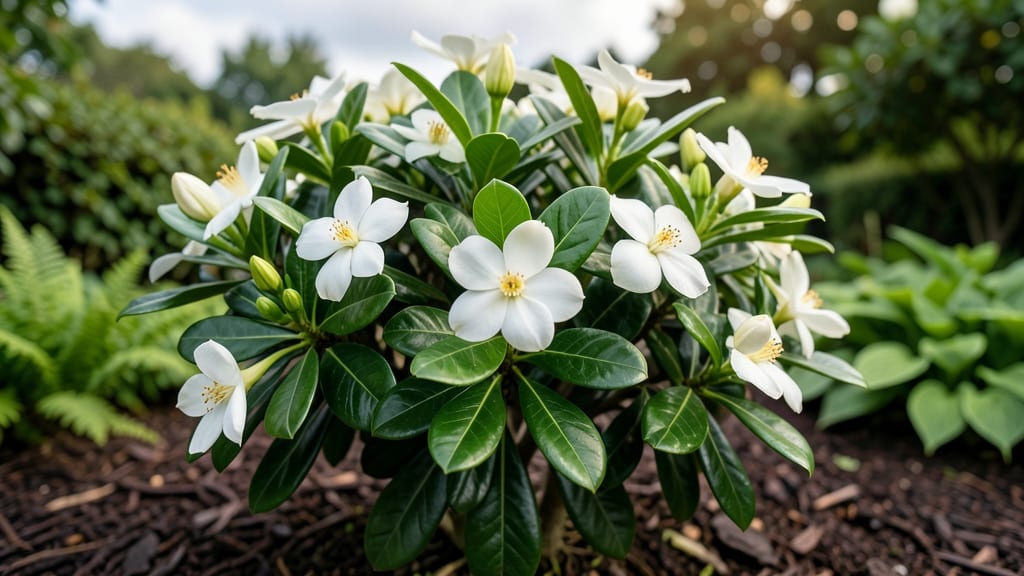
Gardenias stay green all year in warm climates, but in cooler regions, their leaves may turn yellow or drop during winter dormancy. Proper care—like pruning, mulching, and winter protection—helps preserve foliage year-round.
Whether your gardenias maintain their lush green leaves depends entirely on your climate zone. In frost-free areas, these tropical shrubs thrive year-round with minimal intervention. 🌿 However, when temperatures dip below 40°F, gardenias enter dormancy, causing leaves to yellow or fall as a survival mechanism.
The good news is that with strategic winter care—like wrapping containers in burlap or moving potted plants indoors—you can trick your gardenias into staying evergreen even in colder months.
For gardeners in transitional zones, the key is understanding your specific variety. Some gardenias, like the Capri or Radicans types, are bred for better cold tolerance, while others need extra protection.
Mulching with 3-4 inches of straw around the base insulates roots, and a light frost cloth can shield leaves from early-season chills. The goal isn't just to prevent leaf drop—it's to maintain the plant's overall health so it rebounds vigorously in spring.
💡 In This Article
- Why Gardenia Leaves Change Color in Winter
- Year-Round Gardenia Care for Lush Green Foliage
Why gardenia leaves change color in winter
Gardenias are tropical plants at heart, and their leaves turn yellow or drop in winter because of a built-in survival mechanism called dormancy. When temperatures fall below 50°F, these plants detect the cold stress through specialized cells in their stems and leaves.
These cells trigger the production of abscisic acid, a plant hormone that signals chlorophyll breakdown and leaf detachment—essentially putting the plant into hibernation mode. 🌡️ Think of it like a tree shedding leaves to conserve energy during harsh winters.
The chlorophyll loss you see as yellowing is actually the plant's way of recycling nutrients. As leaves die back, their nutrients—like nitrogen and phosphorus—are transported back to the roots and stems to fuel regrowth in spring.
This process is more pronounced in gardenias because they're semi-evergreen; unlike true evergreens (like pines), they can't sustain leaf production year-round without extra care. The timing varies by variety: some gardenias start dormancy at 45°F, while hardier types may wait until 35°F.
Cold stress also damages leaf cell membranes, causing them to leak water and nutrients. You'll often notice brown edges or crispy leaf tips before full yellowing—a clear sign the plant is struggling to maintain hydration. The good news? Gardenias aren't dying—they're just conserving resources until warmer weather returns.
This adaptation explains why gardenias in USDA Zone 10+ (where winters rarely drop below 40°F) stay lush and green year-round, while those in Zones 7-9 need human intervention to survive winter.
There's also a genetic factor: some gardenia cultivars (like Gardenia jasminoides 'Kleim's Hardy') are bred for better cold tolerance, while others remain strictly tropical. The difference lies in their root systems—hardier varieties develop deeper, more insulated root zones that can withstand brief cold snaps.
Even then, prolonged exposure to 28°F or below will damage any gardenia, evergreen or not. 🌱 This is why gardeners in transitional climates often see partial leaf drop even with winter protection.
Humidity plays a surprising role too. Gardenias need 50-60% humidity to maintain healthy leaves, but winter air—especially indoors—can drop to 10-20%
The plant's response is identical: nutrient recycling and leaf drop. This is why indoor gardenias often suffer more than outdoor ones, even in the same climate zone. What most people don't realize is that gardenias can actually regrow leaves from dormant buds if given the right conditions. The yellowing leaves aren't dead wood—they're just detached. The plant's energy is focused on protecting its core structure (stems and roots) until spring. This is why pruning back dead foliage in late winter (after the last frost) stimulates new growth, often resulting in denser, greener foliage by summer. 🌿