
Light Requirements
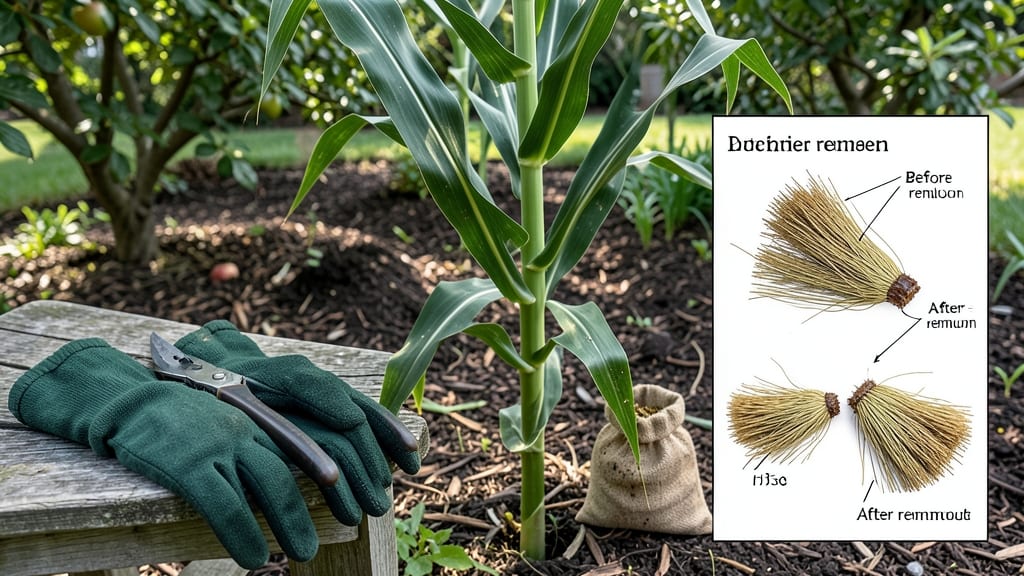
You don't need to detassel corn in your garden unless you're saving seeds or growing heirloom varieties, since most sweet corn varieties pollinate themselves effectively. Instead, prioritize proper plant spacing and consistent watering to maximize your harvest.
Detasseling—removing the tassels (the pollen-producing stalks) from corn plants—is typically overkill for home gardeners growing sweet corn. 🌽 The process only becomes essential when you're preserving pure seed strains or working with hybrid varieties that require controlled pollination.
For most backyard gardeners, skipping this step saves time while still producing plump, flavorful ears. The key to successful corn growth lies in giving plants enough room (about 12 inches apart in rows spaced 3 feet apart) and maintaining consistent moisture throughout their growth cycle.
What many gardeners don't realize is that corn's natural pollination process is remarkably efficient. Each plant produces both male (tassel) and female (silk) flowers, and the wind carries pollen effectively between plants.
This built-in system means your corn will set kernels just fine without manual intervention—unless you're specifically working with rare varieties where genetic purity matters. For the average home gardener, focusing on soil preparation and pest control will yield better results than worrying about detasseling.
💡 In This Article
- Why Detasseling Corn Matters for Seed Saving
- When to Skip Detasseling for Sweet Corn
Why detasseling corn matters for seed saving
Detasseling becomes critical when you're preserving heirloom corn varieties because it prevents unwanted cross-pollination that could alter the plant's genetic traits. Each corn plant produces two types of flowers: male (tassels) and female (silks).
The tassels release pollen that must fertilize the silks to produce kernels. Without intervention, pollen from one variety can easily drift up to 300 feet on wind currents, contaminating neighboring plants.
For seed saving, removing tassels from 20-30% of plants in your block creates female-only plants. This ensures the remaining plants pollinate only with their own variety's pollen, maintaining genetic purity.
The process is particularly important for hybrid varieties where crossing with other strains could produce weaker offspring. 🌱 For example, if you're growing 'Silver Queen' corn near 'Bodacious' sweet corn, their pollen can mix, creating unpredictable results in the next generation.
Pollen grains are microscopic—about 0.0004 inches in diameter—and light enough to travel on even gentle breezes. This makes corn particularly vulnerable to cross-contamination.
Professional seed growers often detassel entire fields to guarantee genetic consistency, but home gardeners can achieve similar results by spacing varieties at least 50 feet apart and detasseling a few key plants within each block.
The timing matters too. Detassel when tassels first emerge but before pollen sheds—typically when they're 6-12 inches long and still green. Use clean pruners to avoid spreading pollen to other plants.
The female plants will then produce ears fertilized only by their own variety's pollen, preserving those specific traits for next year's planting.
What most gardeners don't realize is that even small amounts of cross-pollination can significantly alter plant characteristics. For instance, mixing pollen from sweet corn with popcorn varieties could produce ears that are less sweet or have different kernel textures.
This genetic mixing is why seed catalogs often specify "detassel required" for certain varieties.