
Pests
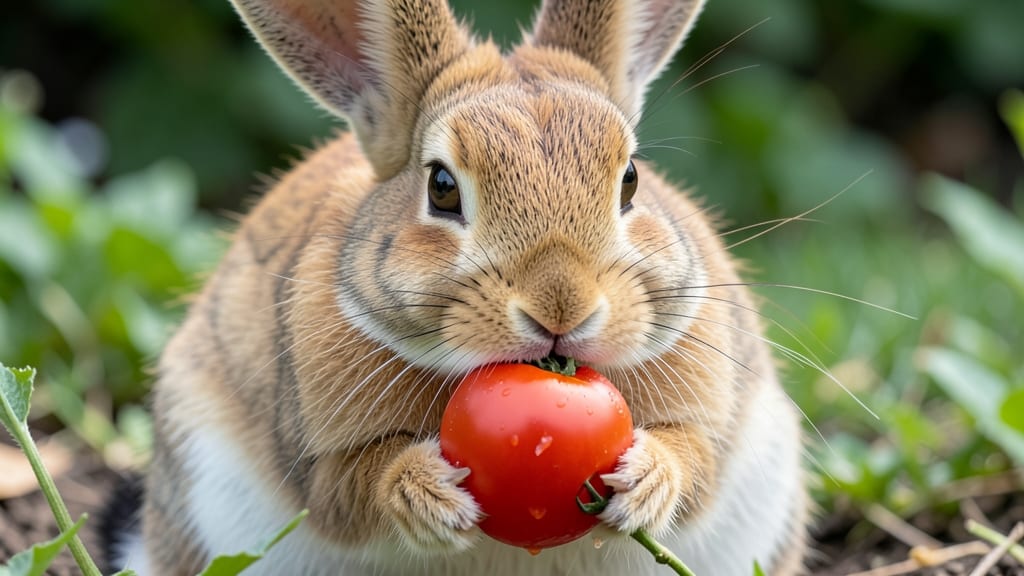
Rabbits eat tomatoes in gardens but should avoid ripe red fruit due to solanine toxicity, which can cause digestive upset. Green, unripe tomatoes contain higher levels of this compound, while stems and leaves are also unsafe. Opt for rabbit-safe veggies like lettuce, cilantro, or carrots instead.
While rabbits may nibble on tomatoes in your garden, the risks far outweigh any potential benefits. 🌱 The solanine in ripe red tomatoes causes stomach issues, while green tomatoes pack even higher toxicity.
Even small amounts can lead to lethargy or digestive distress, so it's best to keep them completely out of reach. Instead, focus on rabbit-friendly plants like cilantro, parsley, or dandelion greens—these won't harm your pets and can even improve their diet.
For gardeners concerned about rabbit damage, consider planting rabbit-resistant alternatives like marigolds or nasturtiums around tomato plants. These act as natural deterrents while still adding beauty to your garden. 🌿 If you notice rabbits already feasting, try fencing or repellents to protect your crops without risking their health.
💡 In This Article
- Toxic Components in Tomatoes for Rabbits: Solanine and Its Risks
- Rabbit-Friendly Garden Alternatives to Tomatoes
Toxic components in tomatoes for rabbits: solanine and its risks
Tomatoes contain solanine, a glycoalkaloid toxin that poses serious risks to rabbits. This compound is most concentrated in the plant's green parts—stems, leaves, and unripe fruit—where levels can reach up to 10x higher than in ripe red tomatoes.
Solanine disrupts the nervous system by interfering with acetylcholine receptors, leading to symptoms like lethargy, diarrhea, or even neurological issues in severe cases. 🔥 The plant produces more solanine when stressed (e.g., from pests or poor growing conditions), making wild or garden-grown tomatoes even riskier.
Ripe red tomatoes contain solanine too, but at lower concentrations (about 3-5 mg per 100g), which may still cause mild digestive upset in rabbits. The danger escalates with green tomatoes (10-15 mg per 100g) due to their higher chlorophyll content, which correlates with increased toxin production.
Even small amounts—like a single leaf—can trigger symptoms within 6-12 hours. The stems and leaves are particularly hazardous because they concentrate solanine in their vascular tissues, making them off-limits entirely.
What most people don't realize is how solanine interacts with a rabbit's delicate digestive system. Unlike humans, rabbits lack the enzymes to metabolize glycoalkaloids efficiently, leading to gastric distress, reduced appetite, or even fatal outcomes in extreme cases.
The toxin also targets the central nervous system, which explains why affected rabbits may exhibit tremors or uncoordinated movements. This makes tomatoes a high-risk garden crop for pet rabbits, even if they seem to nibble without immediate effects.
To put this into perspective, consider that a rabbit's diet should consist of 80% hay, 15% fresh veggies, and 5% pellets—none of which should include tomatoes. Safe alternatives like romaine lettuce (0.01 mg solanine per 100g) or cilantro (negligible levels) provide similar textures without the toxic risks.
The key difference lies in the alkaloid content: Tomatoes are in the nightshade family, while rabbit-safe greens belong to nutrient-dense, low-toxin categories.
If you suspect your rabbit has ingested tomatoes, watch for drooling, vomiting, or lethargy—these are red flags. Immediate veterinary care is critical, as solanine poisoning can progress rapidly. The good news?
With proper plant selection, your garden can thrive without endangering your pets. 🌿 For example, planting mint or basil near tomato patches can deter rabbits naturally while keeping your furry friends safe.