
Tools
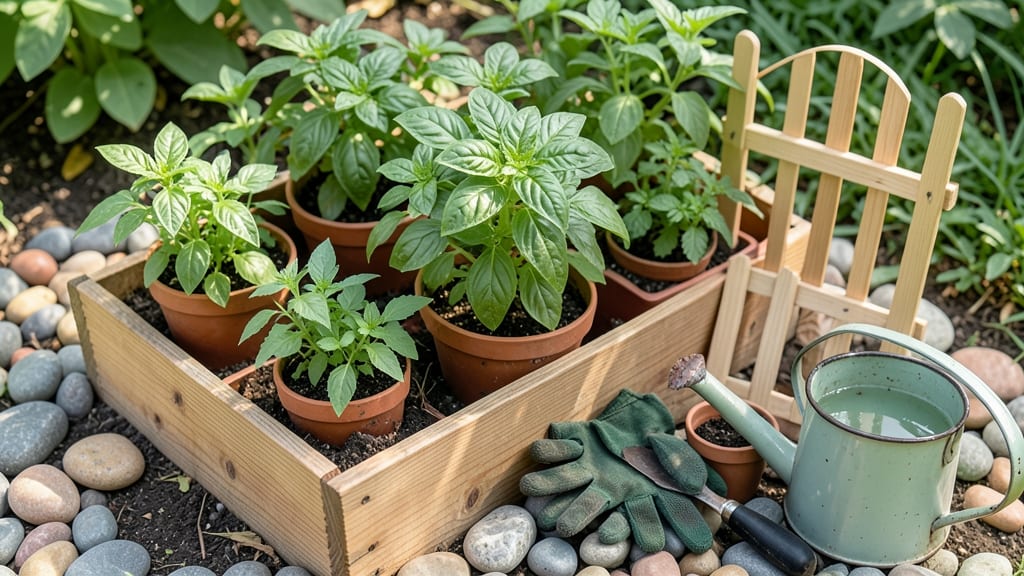
Small garden layout ideas maximize vertical space with tiered planters, vertical gardens, and multi-functional raised beds to create lush, productive areas in tight urban or balcony spaces. Use reflective surfaces and strategic lighting to enhance perceived size.
Transforming limited spaces into thriving gardens starts with smart design choices. Vertical gardening isn't just about aesthetics—it's a game-changer for growing more in less room. 🌿 I've seen balcony gardens produce enough herbs to supply a family's cooking needs using just wall-mounted planters.
The key is pairing plants with similar water needs, like basil and thyme, to simplify maintenance while maximizing yield.
Beyond vertical space, integrating functional elements like foldable seating or storage benches turns your garden into a multi-purpose area. A mirror strategically placed can make even the smallest space feel twice as large, while LED string lights add ambiance without taking up valuable square footage.
These small tweaks create a garden that's both beautiful and practical for everyday use.
💡 In This Article
- Vertical Gardening Techniques for Compact Spaces
- Multi-Functional Small Garden Designs
Vertical gardening techniques for compact spaces
Vertical gardening transforms walls and railings into productive growing surfaces by utilizing empty space that would otherwise go unused. The key mechanism here is hydroponic-like efficiency—plants grow in stacked layers or pockets, allowing roots to access water and nutrients without competing for floor space.
For example, a 12-inch-deep wall planter can grow leafy greens like kale or lettuce while occupying just 1 square foot of wall space—equivalent to a traditional garden bed that would require 4 square feet of ground area. 🌱
When selecting plants for vertical setups, focus on fast-growing, shallow-rooted varieties that thrive in confined spaces. Herbs like basil, parsley, and chives grow beautifully in hanging pockets, while trailing plants such as cherry tomatoes or strawberries can cascade from wall-mounted planters.
The trick is grouping plants with similar water needs together—like succulents with other drought-tolerant species—to simplify irrigation. A self-watering vertical planter with a reservoir at the bottom ensures consistent moisture without overwatering, which is critical in small spaces where drainage can be limited.
Trellises and espalier techniques are game-changers for vertical gardening. Climbing plants like pole beans, cucumbers, or jasmine can grow 8-10 feet tall on a trellis while occupying just a few square feet of base space.
The structural support not only saves room but also improves airflow, reducing the risk of fungal diseases that thrive in crowded conditions.
For balconies, modular wall planters with adjustable tiers let you customize the layout—add a 6-inch tier for herbs and a 12-inch tier for tomatoes, for instance, to maximize yield in a compact footprint.
Lighting is another critical factor in vertical gardens, especially in shaded urban areas. LED grow lights placed 6-12 inches above plants can supplement natural light, ensuring even growth across all levels.
For example, a 10-watt LED panel can provide enough light for a 3-tier vertical garden measuring 3 feet tall by 2 feet wide, making it ideal for indoor or low-light balconies.
The lights should be on a 14-16 hour daily cycle to mimic summer sunlight, which is essential for flowering plants like peppers or eggplants that need extra energy to produce fruit.
Watering vertical gardens efficiently requires a thoughtful approach. Drip irrigation systems with micro-sprayers can deliver water directly to the roots of each plant layer, reducing waste and ensuring even distribution.
For hanging planters, self-watering designs with wicks draw moisture from a reservoir, preventing root rot while keeping the soil consistently damp.
In my own balcony garden, I’ve found that watering every 2-3 days (depending on the season) is ideal for most vertical setups, but succulents and herbs like rosemary can often go 5-7 days without watering—making them perfect for busy gardeners.
Don’t overlook the aesthetic and functional benefits of vertical gardening. A well-designed vertical garden can soften harsh urban walls, reduce heat absorption (lowering cooling costs), and even improve air quality by filtering pollutants.
For instance, ivy or morning glories planted vertically on a south-facing wall can reduce surface temperatures by up to 10°F in summer, creating a cooler microclimate.
Pair your vertical garden with reflective surfaces like mirrors or light-colored tiles to amplify the illusion of space, making even the smallest balcony feel more open and inviting. ✨